

Comprehensive Guide to 1 Inch Compression Springs: Essential Tips for Installation and Maintenance
Release Time:
2024-09-02
Understanding 1 Inch Compression Springs: An Essential Component in Engineering Compression springs play a vital role in many mechanical systems. Known for their capability to store potential energy and absorb shock, these springs are critical in applications ranging from automotive to industrial machinery. This article will delve into the specifics of **1 inch compression springs**, offering insi

Compression springs play a vital role in many mechanical systems. Known for their capability to store potential energy and absorb shock, these springs are critical in applications ranging from automotive to industrial machinery. This article will delve into the specifics of **1 inch compression springs**, offering insights on installation, maintenance, and troubleshooting.
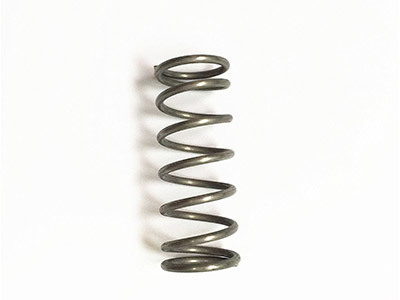
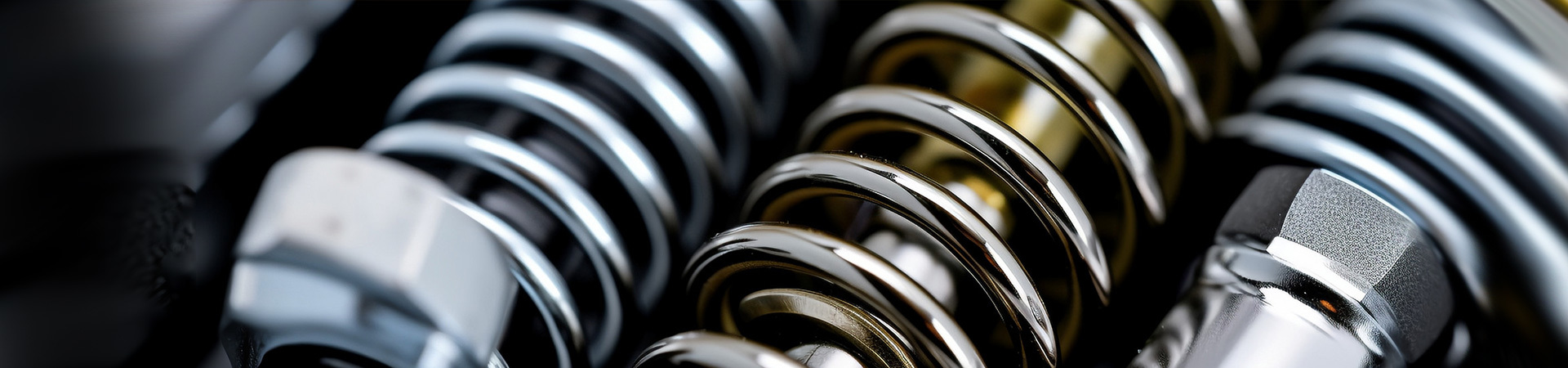
To fully appreciate the significance of 1 inch compression springs, it’s essential to understand what they are and how they function. Compression springs are coiled metal structures designed to resist compressive forces. When a **compressive load** is applied, the coils are compressed, allowing the spring to store energy. Once the load is removed, the spring returns to its original shape.
1 inch compression springs are incredibly versatile and are used across various industries. Here are a few common applications:In automobiles, compression springs are used in shock absorbers, valves, and suspension systems. They help absorb shocks and maintain vehicle stability.
In manufacturing equipment and assembly lines, compression springs are used in various mechanisms to facilitate movement and ensure consistent performance.From pens to folding chairs, compression springs are found in many everyday items, providing functionality and durability.
Selecting the appropriate compression spring is crucial for achieving the desired performance in your application. Consider the following factors:
Compression springs can be made from various materials, including stainless steel, carbon steel, and even plastic. Stainless steel offers corrosion resistance, while carbon steel provides strength and flexibility.
The spring rate, measured in pounds per inch (lbs/in), indicates how much weight the spring can handle. Understanding the spring rate is essential for ensuring that the spring will perform adequately under load.
Related News
Contact Us
E-mail:
WhatsAPP:
Address:
Wen 'an Industrial New Area (small Farm), Langfang, Hebei, China