

The Ultimate Guide to the Best Materials for AK Lower Handguard Tension Springs
Release Time:
2026-02-01
The Ultimate Guide to the Best Materials for AK Lower Handguard Tension Springs Table of Contents 1. Introduction to AK Lower Handguard Tension Springs 2. Importance of Choosing the Right Material 2.1 Performance and Functionality 2.2 Durability and Longevity 3. Common Materials Used in AK Tension Springs 3.1 Steel: The Traditional Choice 3.2 Polymer: Lightweight and Resilient 3.

The Ultimate Guide to the Best Materials for AK Lower Handguard Tension Springs
Table of Contents
1. Introduction to AK Lower Handguard Tension Springs
2. Importance of Choosing the Right Material
2.1 Performance and Functionality
2.2 Durability and Longevity
3. Common Materials Used in AK Tension Springs
3.1 Steel: The Traditional Choice
3.2 Polymer: Lightweight and Resilient
3.3 Composites: The Future of Spring Materials
4. Factors to Consider When Selecting Spring Materials
4.1 Environmental Resistance
4.2 Load-Bearing Capacity
4.3 Cost-Effectiveness
5. Comparison of Materials: Pros and Cons
5.1 Steel vs. Polymer
5.2 Polymer vs. Composite
6. Choosing the Right Material for Your Needs
7. Installation and Maintenance Tips
8. Frequently Asked Questions
9. Conclusion
1. Introduction to AK Lower Handguard Tension Springs
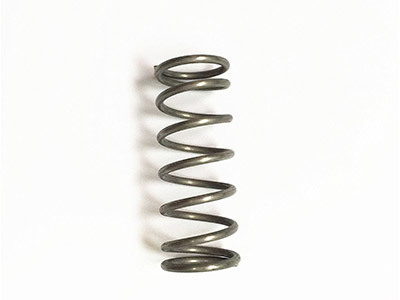
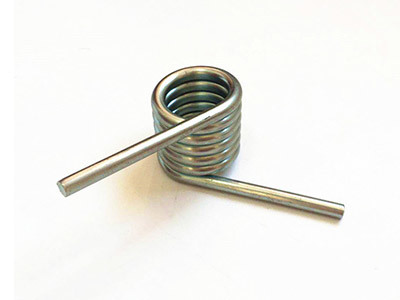
When it comes to enhancing the performance of your AK platform, the **lower handguard tension spring** plays a crucial role. This small yet significant component is responsible for ensuring the secure fit of the handguard, which influences not only the aesthetics but also the handling and operation of the firearm. Understanding the materials used in these tension springs is essential for maximizing reliability and functionality.
2. Importance of Choosing the Right Material
Selecting the right material for lower handguard tension springs is not just a matter of preference; it directly impacts **performance**, **durability**, and **safety**.
2.1 Performance and Functionality
The right material will ensure that your tension springs maintain their strength and shape under pressure. This is vital for the **consistent operation** of your AK. Springs that do not perform well can lead to misalignment, which can affect overall accuracy and reliability.
2.2 Durability and Longevity
Durability is another critical factor. A spring made from subpar materials can wear out quickly, requiring frequent replacements and potentially jeopardizing the functionality of your firearm during critical moments.
3. Common Materials Used in AK Tension Springs
Various materials are commonly used in the production of AK lower handguard tension springs, each offering unique benefits and drawbacks.
3.1 Steel: The Traditional Choice
**Steel** has been the traditional choice for tension springs due to its high tensile strength and durability. This material provides excellent resistance to deformation and wear, making it ideal for heavy-duty applications. There are different types of steel, with **stainless steel** and **high-carbon steel** being the most popular for this specific application.
Benefits of Steel
- **Strength**: Offers superior strength compared to other materials.
- **Heat Resistance**: Performs well under high temperatures, reducing the risk of deformation.
- **Cost-Effective**: Generally lower in cost compared to advanced composites.
Drawbacks of Steel
- **Weight**: Heavier than alternatives such as polymers.
- **Corrosion**: Prone to rust if not properly coated or treated.
3.2 Polymer: Lightweight and Resilient
**Polymer** springs have gained popularity due to their lightweight and resistance to rust. These springs are often made from high-performance plastics that can withstand significant stress without deformation.
Benefits of Polymer
- **Lightweight**: Reduces the overall weight of the firearm, making it easier to handle.
- **Corrosion-Resistant**: Impervious to rust and environmental wear.
- **Quiet Operation**: Produces less noise during cycling, which can enhance shooting experience.
Drawbacks of Polymer
- **Durability**: May not withstand extreme temperatures as well as steel.
- **Load Capacity**: Generally lower load-bearing capacity compared to steel.
3.3 Composites: The Future of Spring Materials
**Composite materials** combine the strengths of polymers and metals. These materials are engineered to provide enhanced performance characteristics, making them a viable alternative for tension springs.
Benefits of Composites
- **Superior Strength-to-Weight Ratio**: Offers the strength of metal with the lightweight properties of polymers.
- **Customizability**: Can be engineered for specific applications tailored to user needs.
- **Resistance to Environmental Factors**: High resistance to chemicals and temperature fluctuations.
Drawbacks of Composites
- **Cost**: Typically more expensive than both steel and polymer options.
- **Availability**: Not as widely available as traditional materials.
4. Factors to Consider When Selecting Spring Materials
Choosing the right material for your AK lower handguard tension springs involves several critical factors that can affect your firearm's performance.
4.1 Environmental Resistance
Consider the conditions in which you will be using your firearm. If you anticipate exposure to moisture, high humidity, or extreme temperatures, materials that resist corrosion and maintain performance under varied conditions are essential.
4.2 Load-Bearing Capacity
Evaluate the load-bearing requirements of your specific application. Ensure that the material you choose can handle the expected stress without failure.
4.3 Cost-Effectiveness
While it might be tempting to choose the most robust option available, consider your budget and the long-term costs associated with maintenance and replacements.
5. Comparison of Materials: Pros and Cons
To make a well-informed decision, it’s crucial to compare the various materials available for AK lower handguard tension springs.
5.1 Steel vs. Polymer
Steel offers unparalleled strength and durability, making it ideal for heavy use. However, it comes at the cost of weight. Polymer, while lighter and rust-resistant, may not last as long under extreme conditions.
5.2 Polymer vs. Composite
Polymer is a lightweight and cost-effective option, but composites offer superior performance, albeit at a higher price point. The choice will ultimately depend on the specific requirements of your application.
6. Choosing the Right Material for Your Needs
Ultimately, the best material for your AK lower handguard tension springs will depend on your specific needs, preferences, and budget. Evaluate your shooting style, typical environmental conditions, and how often you use your firearm to make the best choice.
7. Installation and Maintenance Tips
Proper installation and maintenance are essential for maximizing the lifespan and performance of your tension springs.
- **Installation**: Ensure the spring is installed correctly, following the manufacturer’s guidelines. A poorly installed spring can lead to malfunctions.
- **Regular Inspection**: Periodically check springs for signs of wear or deformation. Replace them if they show signs of fatigue.
- **Cleaning**: Keep the springs clean and free from debris to ensure smooth operation and longevity.
8. Frequently Asked Questions
What is the main function of the lower handguard tension spring?
The lower handguard tension spring secures the handguard in place, ensuring proper alignment and function of the firearm.
Can I use a polymer spring in harsh environments?
While polymer springs are generally resistant to corrosion, extreme heat or cold can affect their performance, so it’s essential to choose high-quality materials designed for such conditions.
How do I know when it’s time to replace the tension spring?
If you notice misalignment, difficulty in handguard installation, or visible signs of wear, it’s time to consider replacing the tension spring.
Are composite tension springs worth the investment?
If you prioritize lightweight materials and specific performance characteristics, composite springs can be a worthwhile investment despite their higher cost.
What is the best material for a first-time AK owner?
For first-time owners, high-carbon steel is often recommended due to its balance of strength, availability, and cost-effectiveness.
9. Conclusion
Selecting the best materials for AK lower handguard tension springs is a fundamental aspect of firearm maintenance that can significantly enhance your shooting experience. By understanding the benefits and drawbacks of steel, polymer, and composite materials, you can make informed decisions that suit your needs and ensure optimal performance. Regular maintenance and proper installation will further extend the life of your tension springs, providing you with a reliable firearm for years to come.
Related News
Contact Us
E-mail:
WhatsAPP:
Address:
Wen 'an Industrial New Area (small Farm), Langfang, Hebei, China