

Understanding the Importance of the AK Upper Handguard Tension Spring
Release Time:
2026-02-04
The AK upper handguard tension spring is an essential component in the design and functionality of AK-style rifles. Understanding its role can enhance your appreciation of firearm mechanics and improve your knowledge in the field of manufacturing and mechanical processing. At its core, the AK upper handguard tension spring serves to secure the upper handguard in place, ensuring a tight fit against

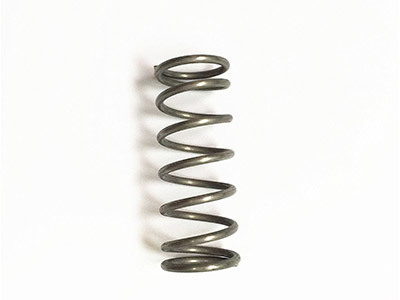
The AK upper handguard tension spring is an essential component in the design and functionality of AK-style rifles. Understanding its role can enhance your appreciation of firearm mechanics and improve your knowledge in the field of manufacturing and mechanical processing.
At its core, the AK upper handguard tension spring serves to secure the upper handguard in place, ensuring a tight fit against the receiver. This is particularly important as it helps maintain the structural integrity of the firearm during operation. The tension spring prevents unwanted movement or loosening of the handguard, which can occur during firing due to the recoil generated by the weapon. A secure handguard not only contributes to the overall stability of the firearm but also enhances user comfort and control.
One of the key benefits of the AK upper handguard tension spring is its contribution to the cooling of the rifle. In high-volume shooting situations, the barrel tends to heat up significantly. The tension spring helps provide adequate spacing between the handguard and the barrel, allowing for better air circulation. This cooling effect helps prevent overheating, which can lead to decreased accuracy and potential malfunctions.
Furthermore, the design and quality of the upper handguard tension spring can greatly affect the overall reliability of the firearm. A well-manufactured spring ensures consistent tension, which translates to a more predictable shooting experience. This predictability is crucial for competitive shooters and enthusiasts who rely on their firearms performing flawlessly under various conditions.
In the manufacturing process of the AK upper handguard tension spring, attention to detail is paramount. The material used must be resilient enough to withstand repeated stress while retaining its original properties over time. Quality control measures during production are essential to ensure that the springs meet stringent specifications, as even minor deviations can lead to compromised performance.
If you’re involved in the manufacturing or processing of springs, understanding the specific needs of components like the AK upper handguard tension spring is vital. Being able to provide high-quality products that meet the demands of the firearm industry can significantly affect customer satisfaction and brand reputation.
In summary, the AK upper handguard tension spring is more than just a small part; it plays a significant role in the functionality, reliability, and performance of AK-style rifles. Whether you are a firearm enthusiast or a professional in the manufacturing sector, recognizing the importance of this component can enhance your understanding of both firearm mechanics and the broader implications for mechanical engineering and processing.
At its core, the AK upper handguard tension spring serves to secure the upper handguard in place, ensuring a tight fit against the receiver. This is particularly important as it helps maintain the structural integrity of the firearm during operation. The tension spring prevents unwanted movement or loosening of the handguard, which can occur during firing due to the recoil generated by the weapon. A secure handguard not only contributes to the overall stability of the firearm but also enhances user comfort and control.
One of the key benefits of the AK upper handguard tension spring is its contribution to the cooling of the rifle. In high-volume shooting situations, the barrel tends to heat up significantly. The tension spring helps provide adequate spacing between the handguard and the barrel, allowing for better air circulation. This cooling effect helps prevent overheating, which can lead to decreased accuracy and potential malfunctions.
Furthermore, the design and quality of the upper handguard tension spring can greatly affect the overall reliability of the firearm. A well-manufactured spring ensures consistent tension, which translates to a more predictable shooting experience. This predictability is crucial for competitive shooters and enthusiasts who rely on their firearms performing flawlessly under various conditions.
In the manufacturing process of the AK upper handguard tension spring, attention to detail is paramount. The material used must be resilient enough to withstand repeated stress while retaining its original properties over time. Quality control measures during production are essential to ensure that the springs meet stringent specifications, as even minor deviations can lead to compromised performance.
If you’re involved in the manufacturing or processing of springs, understanding the specific needs of components like the AK upper handguard tension spring is vital. Being able to provide high-quality products that meet the demands of the firearm industry can significantly affect customer satisfaction and brand reputation.
In summary, the AK upper handguard tension spring is more than just a small part; it plays a significant role in the functionality, reliability, and performance of AK-style rifles. Whether you are a firearm enthusiast or a professional in the manufacturing sector, recognizing the importance of this component can enhance your understanding of both firearm mechanics and the broader implications for mechanical engineering and processing.
Related News
Contact Us
E-mail:
WhatsAPP:
Address:
Wen 'an Industrial New Area (small Farm), Langfang, Hebei, China