

Understanding Axial Torsion Springs: Applications and Benefits
Release Time:
2026-01-23
Axial torsion springs are critical components in the field of manufacturing and mechanical engineering. These springs are designed to store and release energy through twisting, making them a unique and effective solution for various applications. Unlike traditional coil springs that operate through compression or tension, axial torsion springs function by twisting around their axis, providing a ro

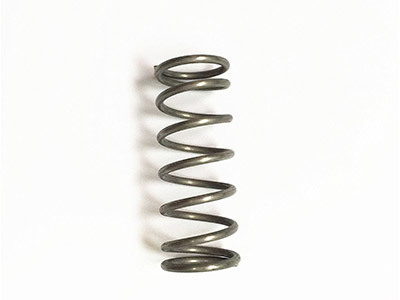
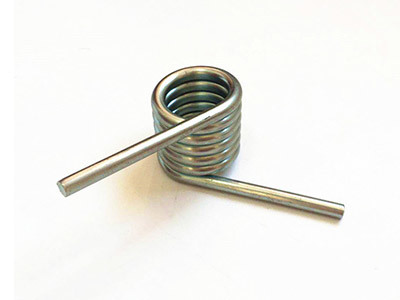
Axial torsion springs are critical components in the field of manufacturing and mechanical engineering. These springs are designed to store and release energy through twisting, making them a unique and effective solution for various applications. Unlike traditional coil springs that operate through compression or tension, axial torsion springs function by twisting around their axis, providing a rotational force.
One of the primary benefits of axial torsion springs is their ability to maintain a consistent torque over a range of motion. This characteristic makes them ideal for applications where precise rotational control is required. For instance, in the automotive industry, axial torsion springs are commonly used in mechanisms such as seat recliners, where they help adjust the seat angle smoothly and efficiently.
The design of axial torsion springs allows for a compact structure, which is advantageous in applications with limited space. Their small footprint does not compromise their performance, providing robust support in various devices. Additionally, these springs can be engineered to meet specific load and motion requirements, making them versatile for different industries, including aerospace, electronics, and appliances.
When considering the material for axial torsion springs, manufacturers often select high-carbon steel, stainless steel, or other alloys known for their durability and flexibility. The right material choice is crucial, as it influences the spring's performance, fatigue life, and resistance to environmental factors. Proper heat treatment and surface finishing can further enhance the lifespan and functionality of these springs.
Another important aspect is the manufacturing process. Producing high-quality axial torsion springs requires precision engineering and advanced techniques to ensure they meet stringent specifications. This typically involves techniques like coiling, winding, and forming, followed by rigorous testing to guarantee their reliability in application.
In conclusion, axial torsion springs play a vital role in various mechanical systems, providing reliable performance through their unique twisting action. Their ability to deliver consistent torque, compact design, and adaptability to different applications make them a preferred choice in numerous manufacturing sectors. Understanding the benefits and applications of axial torsion springs can guide manufacturers in selecting the appropriate spring type for their specific needs, enhancing overall efficiency and effectiveness in their operations.
One of the primary benefits of axial torsion springs is their ability to maintain a consistent torque over a range of motion. This characteristic makes them ideal for applications where precise rotational control is required. For instance, in the automotive industry, axial torsion springs are commonly used in mechanisms such as seat recliners, where they help adjust the seat angle smoothly and efficiently.
The design of axial torsion springs allows for a compact structure, which is advantageous in applications with limited space. Their small footprint does not compromise their performance, providing robust support in various devices. Additionally, these springs can be engineered to meet specific load and motion requirements, making them versatile for different industries, including aerospace, electronics, and appliances.
When considering the material for axial torsion springs, manufacturers often select high-carbon steel, stainless steel, or other alloys known for their durability and flexibility. The right material choice is crucial, as it influences the spring's performance, fatigue life, and resistance to environmental factors. Proper heat treatment and surface finishing can further enhance the lifespan and functionality of these springs.
Another important aspect is the manufacturing process. Producing high-quality axial torsion springs requires precision engineering and advanced techniques to ensure they meet stringent specifications. This typically involves techniques like coiling, winding, and forming, followed by rigorous testing to guarantee their reliability in application.
In conclusion, axial torsion springs play a vital role in various mechanical systems, providing reliable performance through their unique twisting action. Their ability to deliver consistent torque, compact design, and adaptability to different applications make them a preferred choice in numerous manufacturing sectors. Understanding the benefits and applications of axial torsion springs can guide manufacturers in selecting the appropriate spring type for their specific needs, enhancing overall efficiency and effectiveness in their operations.
Related News
Contact Us
E-mail:
WhatsAPP:
Address:
Wen 'an Industrial New Area (small Farm), Langfang, Hebei, China