

Understanding the Role of Offside Front Coil Springs in Manufacturing and Mechanical Applications
Release Time:
2026-01-29
When it comes to the manufacturing and mechanical processing of components, understanding the role of "offside front coil springs" is crucial for optimizing performance and ensuring safety in various applications. Coil springs, known for their ability to store and release energy, are essential elements in many mechanical systems, including suspension systems in vehicles and industrial machinery. O

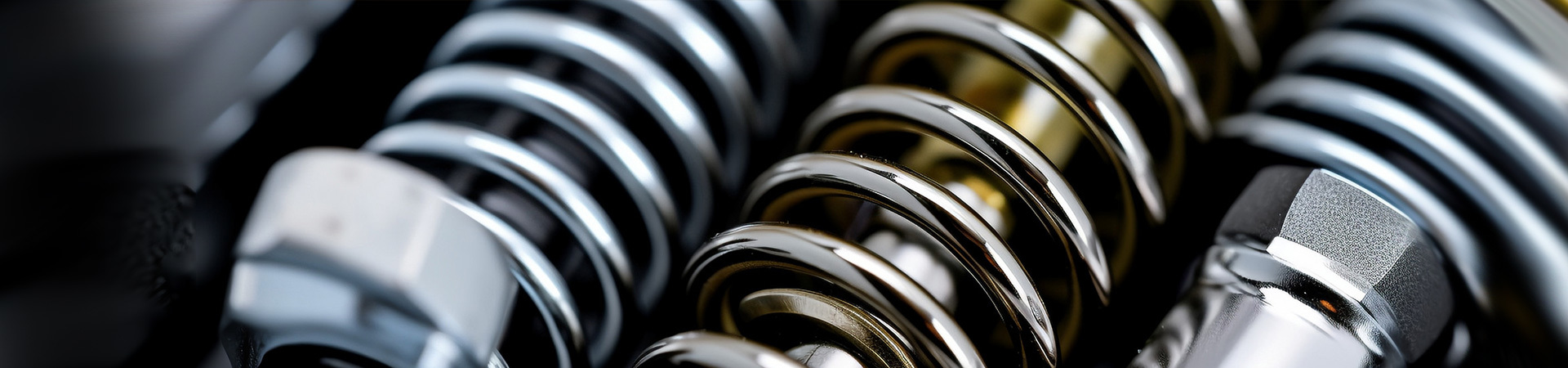
When it comes to the manufacturing and mechanical processing of components, understanding the role of "offside front coil springs" is crucial for optimizing performance and ensuring safety in various applications. Coil springs, known for their ability to store and release energy, are essential elements in many mechanical systems, including suspension systems in vehicles and industrial machinery.
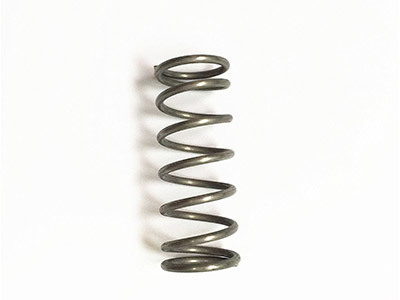
Offside front coil springs specifically refer to the coil springs located on the front side of a vehicle or machinery, on the side opposite to the driver's or operator’s position. These springs play a vital role in maintaining stability and balance while absorbing shocks and impacts during operation. Their design and material composition are critical factors that influence their performance and longevity.
In manufacturing applications, offside front coil springs are engineered to withstand significant loads and stresses. The selection of materials, such as high-carbon steel or alloy steel, is vital to enhance the resilience and fatigue resistance of these springs. The manufacturing process typically includes coiling, heat treatment, and surface finishing to achieve the desired mechanical properties and durability.
One of the key considerations in the design of offside front coil springs is the spring rate, which determines the stiffness of the spring. A higher spring rate provides increased resistance to compression, making it suitable for heavy loads, while a lower spring rate allows for greater flexibility and comfort. Engineers must carefully calculate the appropriate spring rate based on the application requirements, taking into account factors such as load distribution and expected operational conditions.
Additionally, the installation and alignment of offside front coil springs are critical to ensure optimal performance. Improper installation can lead to uneven wear, reduced efficiency, and potential safety hazards. It is essential for professionals in the field to follow precise guidelines and specifications during the installation process to achieve the intended functionality of the springs.
In summary, offside front coil springs are integral components in manufacturing and mechanical applications, significantly impacting the performance and safety of the systems in which they are utilized. By understanding their design, material properties, and installation requirements, professionals can make informed decisions that enhance the overall efficiency and reliability of their machinery. Whether in automotive applications or industrial machinery, the careful consideration of offside front coil springs will undoubtedly contribute to achieving superior mechanical performance.
Offside front coil springs specifically refer to the coil springs located on the front side of a vehicle or machinery, on the side opposite to the driver's or operator’s position. These springs play a vital role in maintaining stability and balance while absorbing shocks and impacts during operation. Their design and material composition are critical factors that influence their performance and longevity.
In manufacturing applications, offside front coil springs are engineered to withstand significant loads and stresses. The selection of materials, such as high-carbon steel or alloy steel, is vital to enhance the resilience and fatigue resistance of these springs. The manufacturing process typically includes coiling, heat treatment, and surface finishing to achieve the desired mechanical properties and durability.
One of the key considerations in the design of offside front coil springs is the spring rate, which determines the stiffness of the spring. A higher spring rate provides increased resistance to compression, making it suitable for heavy loads, while a lower spring rate allows for greater flexibility and comfort. Engineers must carefully calculate the appropriate spring rate based on the application requirements, taking into account factors such as load distribution and expected operational conditions.
Additionally, the installation and alignment of offside front coil springs are critical to ensure optimal performance. Improper installation can lead to uneven wear, reduced efficiency, and potential safety hazards. It is essential for professionals in the field to follow precise guidelines and specifications during the installation process to achieve the intended functionality of the springs.
In summary, offside front coil springs are integral components in manufacturing and mechanical applications, significantly impacting the performance and safety of the systems in which they are utilized. By understanding their design, material properties, and installation requirements, professionals can make informed decisions that enhance the overall efficiency and reliability of their machinery. Whether in automotive applications or industrial machinery, the careful consideration of offside front coil springs will undoubtedly contribute to achieving superior mechanical performance.
Related News
Contact Us
E-mail:
WhatsAPP:
Address:
Wen 'an Industrial New Area (small Farm), Langfang, Hebei, China