

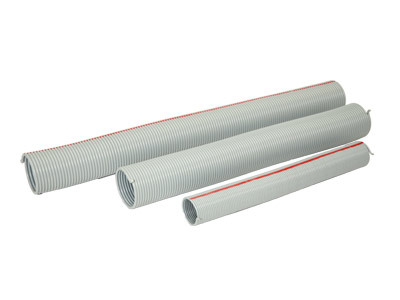

Understanding 1 Inch Compression Springs: Essential Knowledge for Manufacturing and Mechanical Applications
Release Time:
2024-09-01
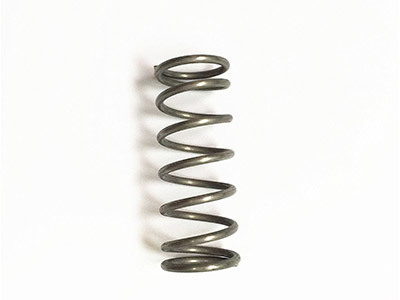
Compression springs are vital components in various mechanical applications, and understanding their characteristics can greatly benefit manufacturers and engineers alike. A 1 inch compression spring, as the name suggests, is a cylindrical spring designed to resist compression and store potential energy. When a compressive force is applied, these springs compress and then return to their original

Compression springs are vital components in various mechanical applications, and understanding their characteristics can greatly benefit manufacturers and engineers alike. A 1 inch compression spring, as the name suggests, is a cylindrical spring designed to resist compression and store potential energy. When a compressive force is applied, these springs compress and then return to their original shape when the force is removed. Here, we will delve into the features, applications, and considerations regarding 1 inch compression springs, highlighting their importance in the manufacturing and engineering sectors.
One of the primary characteristics of a 1 inch compression spring is its size. With a diameter of one inch, these springs are often used in applications where space is a constraint, yet sufficient strength and flexibility are required. The material composition of compression springs typically includes high-carbon steel, stainless steel, or other alloys that provide durability and corrosion resistance. The choice of material influences not only the spring's lifespan but also its performance in varying environmental conditions.
The design of a 1 inch compression spring can vary based on its intended application. Factors such as wire diameter, coil count, and the overall length of the spring are critical in determining its load-bearing capacity and spring rate. The spring rate refers to the amount of force needed to compress the spring by a certain distance. This characteristic is essential for engineers when designing systems that require precise force management.
Compression springs are used in a wide array of applications across various industries. Common uses include automotive components, aerospace machinery, and consumer products. In automotive applications, 1 inch compression springs can be found in suspension systems, where they play a crucial role in absorbing shocks and ensuring a smooth ride. In consumer products, these springs are often utilized in mechanisms such as click pens, where they provide the necessary tension for functionality.
When selecting a 1 inch compression spring for a specific application, several considerations should be taken into account. First, it's important to evaluate the load requirements and the environment in which the spring will operate. Factors such as temperature, humidity, and exposure to chemicals can influence material selection. Additionally, the manufacturing process can affect the spring's properties; processes such as heat treatment and surface finishing can enhance performance and longevity.
In conclusion, 1 inch compression springs are essential components in the realm of manufacturing and mechanical design. Understanding their characteristics, applications, and selection criteria can lead to more efficient and reliable designs. By considering the specific needs of your application and the properties of compression springs, you can ensure optimal performance in your mechanical systems. Whether you are a manufacturer or an engineer, a firm grasp of these springs will undoubtedly enhance your projects and contribute to their success.
Related News
Contact Us
E-mail:
WhatsAPP:
Address:
Wen 'an Industrial New Area (small Farm), Langfang, Hebei, China