

Understanding 1 Inch Compression Springs: Key Insights for Professionals
Release Time:
2024-09-03
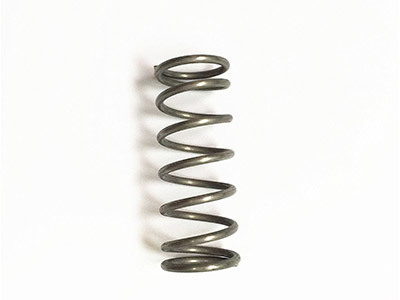
Compression springs are vital mechanical components used across numerous industries, including manufacturing, automotive, aerospace, and more. Specifically, a 1 inch compression spring refers to a spring that has a free length of one inch when not under load. These springs are typically coiled in a cylindrical shape and are designed to compress when a load is applied, storing potential energy that

Compression springs are vital mechanical components used across numerous industries, including manufacturing, automotive, aerospace, and more. Specifically, a 1 inch compression spring refers to a spring that has a free length of one inch when not under load. These springs are typically coiled in a cylindrical shape and are designed to compress when a load is applied, storing potential energy that can be released when the load is removed.
One of the primary characteristics of a compression spring is its wire diameter, which directly affects its strength and flexibility. For example, a thicker wire will generally offer greater strength but may be less flexible than a thinner wire. The spring's rate, or how much it compresses under a given load, is also crucial. It is calculated based on the material properties and geometrical factors of the spring, such as the number of active coils and the spring's diameter.
When selecting a 1 inch compression spring, it is essential to consider the application's requirements, such as the expected load, the allowable space, and the required cycle life. Compression springs can be made from various materials, including stainless steel, music wire, and plastic, which all have unique properties that can make them suitable for specific environments or loads. For instance, stainless steel springs are often chosen for their resistance to corrosion, while music wire springs may offer superior fatigue resistance for high-cycle applications.
Another important aspect to consider is the spring finish. Some springs may require additional coatings or treatments to enhance their performance or longevity, especially in harsh environments. Understanding the operating conditions and the potential impact on the spring's performance can help in making the right choice.
Additionally, it's worth noting that the way compression springs are installed can significantly influence their effectiveness and lifespan. Proper alignment and support will prevent uneven wear and potential failure, ensuring optimal performance. Regular maintenance and inspection can also help identify issues before they lead to failure.
In conclusion, 1 inch compression springs are integral to many mechanical systems, and understanding their properties, selection criteria, and maintenance practices is essential for professionals in the manufacturing and mechanical processing fields. By focusing on material properties, load requirements, and installation techniques, you can make informed decisions that enhance the performance and reliability of your applications.
Related News
Contact Us
E-mail:
WhatsAPP:
Address:
Wen 'an Industrial New Area (small Farm), Langfang, Hebei, China