

Unlocking Precision: The Critical Function of the AK Upper Handguard Tension Spring in Firearm Engineering
Release Time:
2024-09-24
Unlocking Precision: The Critical Function of the AK Upper Handguard Tension Spring in Firearm Engineering Table of Contents 1. Introduction to the AK Upper Handguard Tension Spring 2. Importance of the AK Upper Handguard Tension Spring in Firearm Functionality 3. Design and Engineering of the Tension Spring 3.1. Materials Used in the Tension Spring 3.

Unlocking Precision: The Critical Function of the AK Upper Handguard Tension Spring in Firearm Engineering
Table of Contents
- 1. Introduction to the AK Upper Handguard Tension Spring
- 2. Importance of the AK Upper Handguard Tension Spring in Firearm Functionality
- 3. Design and Engineering of the Tension Spring
- 4. Maintenance and Care for the AK Upper Handguard Tension Spring
- 5. Troubleshooting Common Issues with the Tension Spring
- 6. Impact of the Tension Spring on Accuracy and Performance
- 7. Upgrading Your AK Tension Spring for Enhanced Performance
- 8. Conclusion: The Significance of the AK Upper Handguard Tension Spring
- 9. FAQs about AK Upper Handguard Tension Springs
1. Introduction to the AK Upper Handguard Tension Spring
The AK Upper Handguard Tension Spring, while a seemingly modest component of the AK series of firearms, plays an integral role in maintaining the weapon's overall stability and precision. This article aims to explore the critical functions and mechanical principles behind this component, providing enthusiasts and professionals with an in-depth understanding of its importance in firearm engineering.
2. Importance of the AK Upper Handguard Tension Spring in Firearm Functionality
Understanding the significance of the AK Upper Handguard Tension Spring involves acknowledging its role in **firearm stability** and **accuracy**. The tension spring ensures a secure fit of the upper handguard, which is vital for minimizing vibrations and enhancing control during firing. A well-functioning tension spring helps maintain the alignment of the rifle components, thereby improving the overall shooting experience.
2.1 Enhancing User Control
A properly tensioned handguard allows the shooter to maintain greater control over the rifle, especially during rapid firing sequences. This control translates into better accuracy and improved shooting performance, critical factors for both competitive shooting and tactical scenarios.
2.2 Preventing Wear and Tear
The tension spring also plays a crucial role in preventing unnecessary wear on the firearm's components. By securing the handguard in place, it mitigates the chances of rattling or misalignment, which can lead to long-term damage and the need for costly repairs.
3. Design and Engineering of the Tension Spring
The design of the AK Upper Handguard Tension Spring is a testament to the engineering prowess behind the AK platform. Its functionality is a direct result of thoughtful design choices made by engineers to balance performance and durability.
3.1 Materials Used in the Tension Spring
The materials used in the construction of the tension spring are fundamental to its effectiveness. High-carbon steel is often the material of choice due to its excellent tensile strength and durability under varying environmental conditions. Some manufacturers may also opt for stainless steel or specialized alloys to enhance corrosion resistance.
3.2 Dimensions and Specifications
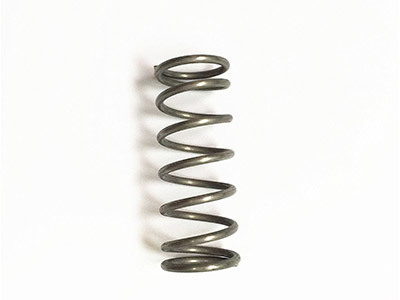
The dimensions of the AK Upper Handguard Tension Spring are meticulously crafted to fit specific models of AK firearms. Typically, these springs measure a few inches in length and have a diameter that fits snugly within the handguard assembly. It’s crucial for users to reference manufacturer specifications when replacing or upgrading this component.
4. Maintenance and Care for the AK Upper Handguard Tension Spring
Regular maintenance of the AK Upper Handguard Tension Spring is essential for ensuring its longevity and optimal performance. Here are some practical tips for firearm owners:
4.1 Routine Inspections
Conducting routine inspections of the tension spring should be a standard part of firearm maintenance. Check for signs of wear, corrosion, or deformation, as these issues can compromise the spring's functionality.
4.2 Cleaning Techniques
To maintain the spring's performance, it should be regularly cleaned using non-corrosive solvents. Carefully remove any debris or residue that may accumulate, especially after extended periods of use in adverse conditions.
4.3 Lubrication
While lubrication is essential for many firearm components, it should be done sparingly on the tension spring. Using a light oil can help reduce friction but avoid over-lubricating, as excess oil can attract dust and grime.
5. Troubleshooting Common Issues with the Tension Spring
Like any mechanical component, the AK Upper Handguard Tension Spring can experience issues over time. Here are some common problems and how to address them:
5.1 Weak Tension
If the handguard feels loose, it may be due to a weakened spring. In this case, replacing the spring with a new, high-quality component is essential to restore proper tension.
5.2 Misalignment
Misalignment can lead to accuracy issues. If the handguard is not properly seated, check the tension spring and ensure it is correctly installed. Adjusting the spring or the handguard may be necessary.
5.3 Corrosion Damage
Corrosion can significantly impact the spring's performance. If signs of rust or decay are present, replace the spring immediately to prevent further damage to the firearm.
6. Impact of the Tension Spring on Accuracy and Performance
The performance of the AK Upper Handguard Tension Spring directly correlates with the accuracy of the firearm. A stable handguard minimizes barrel movement and vibration, crucial for precision shooting.
6.1 Shooting Stability
With a properly functioning tension spring, shooters can achieve a more stable platform, allowing for tighter shot groupings and improved target acquisition. This is particularly evident during rapid fire situations where control is paramount.
6.2 Enhancements for Competitive Shooting
For competitive shooters, every detail matters. Upgrading to a precision-engineered tension spring can provide a competitive edge, enhancing overall performance and reliability under stress.
7. Upgrading Your AK Tension Spring for Enhanced Performance
Upgrading the AK Upper Handguard Tension Spring can be an effective way to enhance the firearm's performance. Consider these options:
7.1 Aftermarket Springs
Many manufacturers offer aftermarket springs designed with advanced materials and engineering techniques. These can provide improved tension and durability compared to standard springs.
7.2 Custom Springs
For serious enthusiasts, custom springs made to precise specifications can optimize the fit and performance of the upper handguard, ensuring that each component works harmoniously.
8. Conclusion: The Significance of the AK Upper Handguard Tension Spring
In summary, the AK Upper Handguard Tension Spring is a pivotal element in the overall functionality and precision of AK series firearms. Understanding its role not only enhances firearm maintenance practices but also elevates the shooting experience. By focusing on high-quality components and proper care, firearm enthusiasts can ensure their AK remains a reliable tool for both sport and defense.
9. FAQs about AK Upper Handguard Tension Springs
9.1 What is the purpose of the AK Upper Handguard Tension Spring?
The primary purpose of the AK Upper Handguard Tension Spring is to secure the upper handguard in place, ensuring stability and reducing vibrations that can affect accuracy.
9.2 How often should I replace my AK Upper Handguard Tension Spring?
It is recommended to inspect the tension spring regularly and replace it if you notice signs of wear, corrosion, or if the handguard feels loose.
9.3 Can I upgrade my tension spring for better performance?
Yes, many aftermarket options are available that can enhance the performance of your AK Upper Handguard Tension Spring, providing better tension and durability.
9.4 How do I know if my tension spring is faulty?
Signs of a faulty tension spring include a loose handguard, misalignment, or visible corrosion. If you experience any of these issues, inspecting or replacing the spring is advisable.
9.5 What materials are the best for AK Upper Handguard Tension Springs?
High-carbon steel and stainless steel are commonly used due to their excellent strength and resistance to wear and corrosion. Always choose high-quality materials for replacements.
Related News
Contact Us
E-mail:
WhatsAPP:
Address:
Wen 'an Industrial New Area (small Farm), Langfang, Hebei, China