

The Intricacies of Tapered Compression Springs: Understanding Their Design and Applications
Release Time:
2024-08-28
Tapered compression springs are a specialized form of compression springs, characterized by their conical shape where the diameter changes progressively along the length of the spring. This unique geometry allows for several advantages when compared to traditional cylindrical compression springs. One of the primary benefits of tapered compression springs is their ability to provide a more effectiv

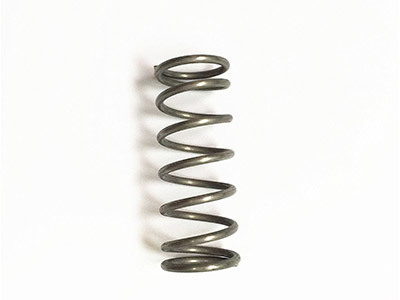
Tapered compression springs are a specialized form of compression springs, characterized by their conical shape where the diameter changes progressively along the length of the spring. This unique geometry allows for several advantages when compared to traditional cylindrical compression springs. One of the primary benefits of tapered compression springs is their ability to provide a more effective and efficient load-bearing capacity, which can be particularly useful in applications requiring high precision and reliability.
The design of a tapered compression spring is crucial for its performance. The tapering process allows for a gradual reduction in the spring's diameter, which can lead to a more uniform distribution of stress along the spring body. This not only enhances the overall durability of the spring but also minimizes the risk of buckling under load. Additionally, the tapered design can help to reduce the overall space required for installation, making it an ideal choice for compact applications where space is limited.
When it comes to manufacturing tapered compression springs, various materials can be utilized, including stainless steel, carbon steel, and alloyed materials. The choice of material affects the spring's strength, elasticity, and resistance to environmental factors such as corrosion or extreme temperatures. Furthermore, the manufacturing process often involves precision machining and heat treatment to ensure that the springs meet the specific requirements of their end-use applications.
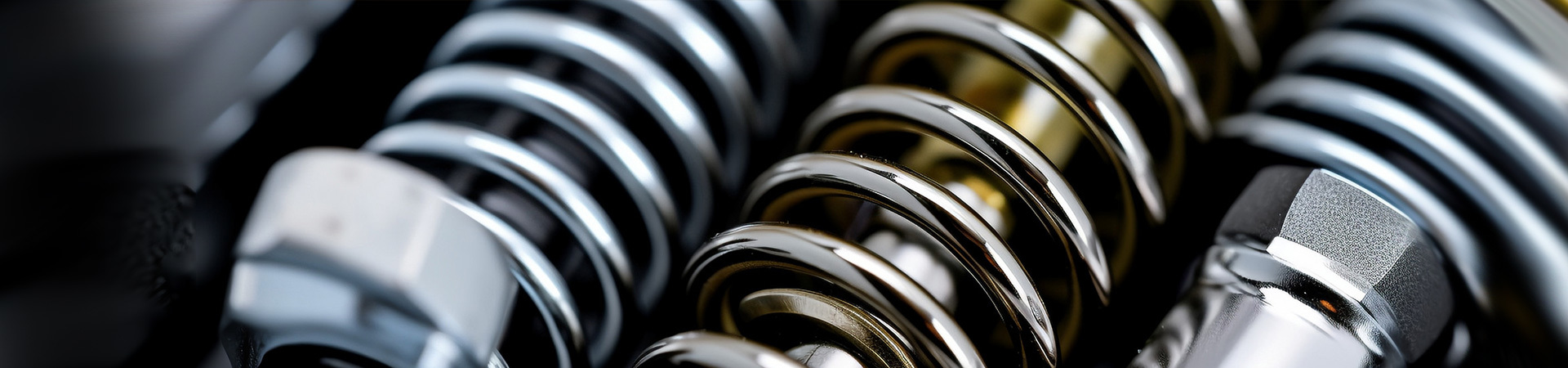
Tapered compression springs find applications in numerous industries, including automotive, aerospace, electronics, and general manufacturing. In automotive applications, for example, these springs can be found in shock absorbers and suspension systems, providing critical support and absorbing shocks effectively. In the aerospace sector, tapered springs might be used in landing gear and various control mechanisms, where reliability and performance are paramount.
Another significant advantage of tapered compression springs is their versatility. They can be designed to accommodate various load conditions, making them suitable for both light-duty and heavy-duty applications. Engineers often utilize tapered compression springs in designs where space constraints and weight savings are essential, allowing for more innovative and efficient solutions.
In conclusion, tapered compression springs play a pivotal role in many mechanical systems, thanks to their unique design and practical benefits. Understanding how these springs function, their manufacturing processes, and their diverse applications can aid manufacturers and engineers in making informed decisions for their projects. By considering the features and advantages of tapered compression springs, professionals can enhance their designs and improve the overall efficiency of their systems.
Related News
Contact Us
E-mail:
WhatsAPP:
Address:
Wen 'an Industrial New Area (small Farm), Langfang, Hebei, China