

Unlocking the Benefits of Using Tapered Compression Springs in Various Applications
Release Time:
2024-08-27
Unlocking the Benefits of Using Tapered Compression Springs in Various Applications Table of Contents 1. Introduction to Tapered Compression Springs 2. Understanding the Design Features of Tapered Compression Springs 3. Key Advantages of Tapered Compression Springs 3.1 Space Efficiency in Design 3.2 Improved Load Distribution 3.3 Enhanced Energy Storage Capacity 4. Diverse Applications of Tapered

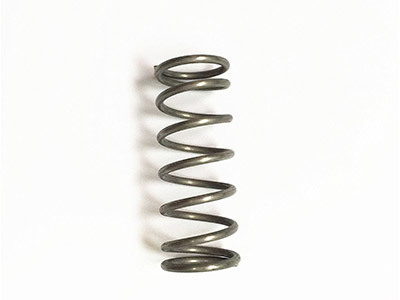
Tapered compression springs play a crucial role in many applications, offering unique benefits over traditional cylindrical springs. These specialized springs taper in diameter from one end to the other, allowing for a more compact design that maximizes space and functionality. Their unique design allows for a significant reduction in axial length without sacrificing performance, making them an indispensable component in modern machinery and devices.
The design of tapered compression springs is fundamental to their functionality. These springs typically have a larger diameter at one end and progressively decrease toward the other end. This design feature allows for **efficient force application**, better load handling, and enhanced durability under stress. The manufacturing of these springs involves precise engineering and material selection to ensure they can withstand various operational conditions.
Tapered compression springs offer several advantages that make them a preferred choice in various applications. Understanding these benefits helps in assessing their value in design and functionality.
One of the primary benefits of tapered compression springs is their ability to save space. The conical shape enables designers to incorporate these springs into tight spaces where traditional cylindrical springs might not fit. This compact design is particularly beneficial in applications where
Tapered compression springs facilitate better load distribution across their structure. As the diameter changes, the spring can efficiently manage varying loads, reducing the risk of failure under stress. This characteristic is essential in applications where **dynamic loading conditions** are prevalent.
The tapering design of these springs allows them to store energy more efficiently. As they compress, they maintain their resilience and can return to their original shape without losing the ability to perform over time. This quality makes them ideal for applications requiring **consistent performance** over extended periods.
Tapered compression springs are utilized across various industries due to their unique advantages. Below are some key sectors where they play a pivotal role.
Related News
Contact Us
E-mail:
WhatsAPP:
Address:
Wen 'an Industrial New Area (small Farm), Langfang, Hebei, China