

How Flat Wire Compression Springs Enhance Mechanical Performance
Release Time:
2024-08-21
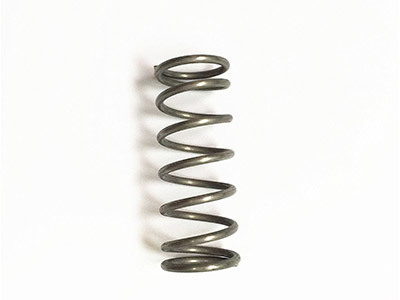
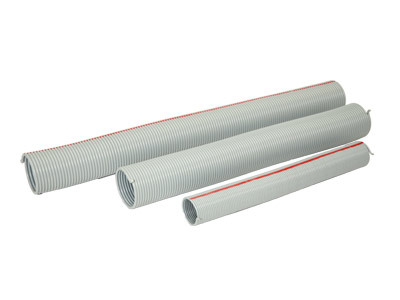
Flat wire compression springs are specialized components designed to store and release energy. Unlike traditional round wire springs, flat wire springs feature a rectangular cross-section, allowing for unique benefits in various mechanical applications. Their design enables more efficient use of space and materials, making them a preferred choice in industries where weight and size constraints are critical.

Flat wire compression springs are specialized components designed to store and release energy. Unlike traditional round wire springs, flat wire springs feature a rectangular cross-section, allowing for unique benefits in various mechanical applications. Their design enables more efficient use of space and materials, making them a preferred choice in industries where weight and size constraints are critical.
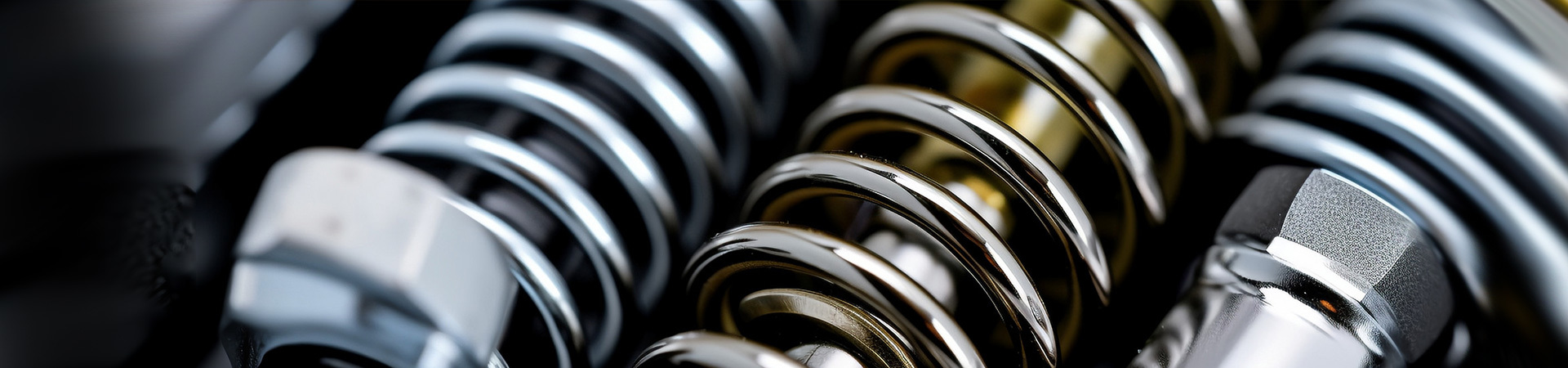
The construction of flat wire compression springs involves precision manufacturing techniques that ensure durability and performance. These springs are typically made from high-quality materials such as stainless steel, music wire, or oil-tempered wire. The flat wire is coiled into a helical shape, with the dimensions tailored to meet specific application requirements.
Flat wire compression springs offer several advantages over traditional springs, making them an attractive option for numerous applications:
These springs can fit into tighter spaces, making them ideal for compact designs. Their flat shape allows for stacking or placement in limited spaces without sacrificing performance.
The increased surface area of flat wire springs allows them to handle greater loads compared to round wire springs of the same diameter. This feature is particularly valuable in heavy-duty applications.
Flat wire compression springs are less prone to fatigue and deformation, which extends their operational lifespan. This quality reduces the need for frequent replacements and maintenance.
Flat wire compression springs are utilized across diverse industries due to their versatile nature. Some common applications include:
In the automotive sector, these springs are used in mechanisms such as suspension systems, seat adjustments, and braking systems, ensuring reliability and performance.
Flat wire springs are integral in various electronic devices. They serve as switches, providing tactile feedback, and in battery connectors, ensuring a solid connection.
In the medical field, flat wire compression springs are crucial in devices such as infusion pumps and surgical instruments, where precision and reliability are paramount.
The aerospace industry relies on these springs for applications where weight savings and performance are critical, such as in landing gear systems and control surfaces.
The mechanical performance of systems utilizing flat wire compression springs is significantly enhanced through several mechanisms:
These springs efficiently store mechanical energy when compressed and release it when needed, ensuring smooth operation of devices and machinery.
Flat wire compression springs can absorb vibrations, reducing wear and tear on other components in a system. This damping effect enhances the longevity of machinery.
Thanks to their larger surface area, flat wire springs distribute loads more effectively, minimizing stress concentrations that can lead to failure.
Related News
Contact Us
E-mail:
WhatsAPP:
Address:
Wen 'an Industrial New Area (small Farm), Langfang, Hebei, China