

Understanding Flat Wire Compression Springs: Applications and Benefits
Release Time:
2024-08-20
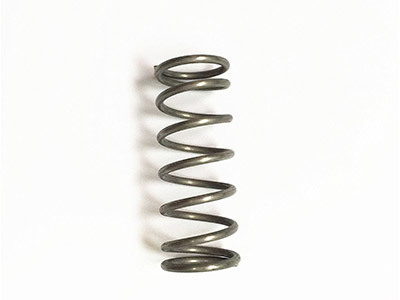
Flat wire compression springs are a specialized type of spring made from flat wire material, which offers distinct advantages over traditional round wire springs. These springs are designed to exert force when compressed, providing resistance to applied loads. The unique geometry of flat wire allows for optimized performance in various applications, making it a preferred choice in many engineering

Flat wire compression springs are a specialized type of spring made from flat wire material, which offers distinct advantages over traditional round wire springs. These springs are designed to exert force when compressed, providing resistance to applied loads. The unique geometry of flat wire allows for optimized performance in various applications, making it a preferred choice in many engineering and manufacturing scenarios.
One of the primary benefits of flat wire compression springs is their ability to handle higher loads while maintaining a lower profile. The flat cross-section distributes stress more evenly, reducing the risk of fatigue and failure over time. This characteristic is particularly beneficial in applications where space is limited and a compact design is essential.
In terms of design versatility, flat wire compression springs can be engineered to meet specific requirements for a wide range of industries, including automotive, aerospace, and electronics. They can be produced in various sizes and configurations, allowing for customization to suit specific operational needs. Designers can adjust parameters such as wire thickness, coil diameter, and the number of coils to optimize the spring's performance for its intended application.
Another significant advantage of flat wire compression springs is their enhanced stability. The flat profile minimizes lateral movement during operation, which is crucial in applications where precision and reliability are paramount. This stability contributes to better overall performance and longevity of the spring, making it a valuable component in precision machinery and devices.
Additionally, flat wire compression springs are often used in applications requiring high cycles and consistent performance. They are well-suited for repetitive motion scenarios, such as in automotive suspensions or industrial machinery, where durability and resilience are critical. The design can be fine-tuned to ensure optimal spring characteristics, such as the spring constant and load capacity.
Maintenance and replacement of flat wire compression springs can also be more straightforward than their round wire counterparts. Their consistent performance metrics help engineers predict lifespans and replace springs only when necessary, reducing downtime and maintenance costs.
In conclusion, flat wire compression springs are a versatile and efficient solution for various mechanical applications. Their unique design characteristics, coupled with the ability to handle higher loads and maintain stability, make them an excellent choice for professionals in manufacturing and engineering. Understanding the benefits and applications of these springs can lead to improved designs and more reliable products in your industry. By leveraging the advantages of flat wire compression springs, manufacturers can enhance their product performance and reliability, ultimately contributing to greater operational success.
Related News
Contact Us
E-mail:
WhatsAPP:
Address:
Wen 'an Industrial New Area (small Farm), Langfang, Hebei, China