


Understanding the Benefits of Flat Wire Compression Springs in Manufacturing
Release Time:
2024-08-19
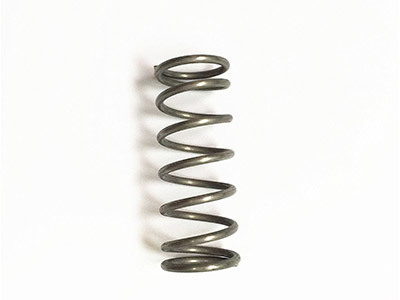
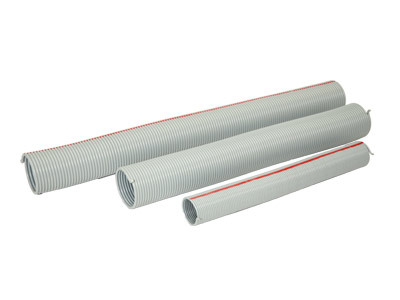
Flat wire compression springs are vital components in various manufacturing sectors, renowned for their ability to deliver reliable performance under compressive loads. These springs are crafted from flat wire materials, allowing for a more compact design, which in turn optimizes space without compromising functionality. They offer several advantages when compared to traditional round wire springs, making them a popular choice among engineers and manufacturers.

Flat wire compression springs are vital components in various manufacturing sectors, renowned for their ability to deliver reliable performance under compressive loads. These springs are crafted from flat wire materials, allowing for a more compact design, which in turn optimizes space without compromising functionality. They offer several advantages when compared to traditional round wire springs, making them a popular choice among engineers and manufacturers.
Understanding the benefits of flat wire compression springs can significantly influence manufacturing processes. Here, we delve into the most notable advantages.
One standout feature of flat wire compression springs is their **space-saving design**. Due to their flat geometry, they can fit into tighter spaces compared to traditional springs. This characteristic is particularly beneficial in industries where every millimeter counts, such as in compact mechanisms or intricate devices. By utilizing flat wire compression springs, manufacturers can design more efficient products without sacrificing performance.
Flat wire compression springs not only save space; they also enhance overall **performance and efficiency**. Their design allows for a more uniform distribution of stress across the spring, which can lead to improved load-bearing capacity. This means these springs can handle heavier loads more effectively, making them suitable for high-performance applications. Furthermore, their ability to compress and extend with minimal resistance contributes to smoother operation in machinery.
When evaluating manufacturing components, **cost-effectiveness** is a key consideration. Flat wire compression springs can lead to lower production costs due to their efficient use of materials and reduced waste during manufacturing. The streamlined design often results in less material usage while maintaining strength and durability. Additionally, these springs can be produced in bulk, further reducing costs for manufacturers.
In many manufacturing environments, exposure to moisture, chemicals, and other corrosive elements can diminish the lifespan of components. Flat wire compression springs, particularly those made from specialized alloys, can offer **enhanced corrosion resistance**. This quality is crucial for applications in harsh environments, as it ensures longevity and reliability, reducing the need for frequent replacements and maintenance.
The versatility of flat wire compression springs also lies in the **customization options** available. Manufacturers can tailor these springs to meet specific requirements, such as varying dimensions, stiffness, and material properties. This level of customization allows for greater flexibility in application, enabling engineers to design products that meet unique performance criteria.
Flat wire compression springs find applications across various sectors. Their adaptability and performance characteristics make them suitable for numerous uses.
In the **automotive industry**, flat wire compression springs are integral to the functionality of components such as suspension systems, brake mechanisms, and clutch pedals. Their ability to endure cyclic loading and provide consistent performance under varying conditions makes them ideal for automotive applications.
The **aerospace sector** demands components that can withstand extreme conditions while maintaining precise functionality. Flat wire compression springs are employed in various aircraft systems, including landing gear mechanisms and control systems, where reliability and performance are paramount.
Flat wire compression springs are prevalent in everyday **consumer products** such as appliances, lawn equipment, and furniture. Their efficiency and reliability contribute to the overall quality of these products, ensuring they meet consumer expectations for durability and performance.
In **industrial machinery**, flat wire compression springs play a pivotal role in enhancing operational efficiency. From packaging equipment to conveyors, these springs provide the necessary force and support to ensure smooth operation. Their capacity to handle heavy loads with minimal resistance is crucial in high-demand industrial environments.
When designing flat wire compression springs, several factors need to be taken into account to ensure optimal performance. Careful consideration of wire material, dimensions, and spring geometry is essential for achieving the desired outcomes.
One must choose the appropriate material with suitable mechanical properties based on the intended application. Common materials include stainless steel, music wire, and various alloys, each offering distinct advantages. Additionally, the spring's dimensions—such as wire thickness, coil diameter, and free length—must align with the functional requirements of the specific application.
Related News
Contact Us
E-mail:
WhatsAPP:
Address:
Wen 'an Industrial New Area (small Farm), Langfang, Hebei, China