


Understanding Rectangular Compression Springs: Essential Insights for Manufacturing Professionals
Release Time:
2024-08-18
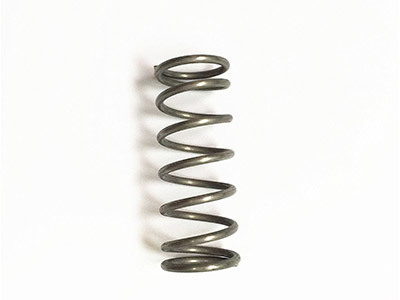
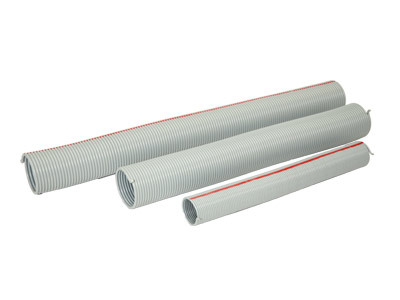
Rectangular compression springs are a specialized form of springs designed to provide resistance to axial loads while compressing. Unlike traditional cylindrical springs, these springs exhibit a distinct rectangular profile, which can offer unique advantages in various applications. Understanding the intricacies of rectangular compression springs is essential for professionals in the manufacturing

Rectangular compression springs are a specialized form of springs designed to provide resistance to axial loads while compressing. Unlike traditional cylindrical springs, these springs exhibit a distinct rectangular profile, which can offer unique advantages in various applications. Understanding the intricacies of rectangular compression springs is essential for professionals in the manufacturing and processing machinery industry.
The geometry of a rectangular compression spring allows it to fit into tighter spaces compared to its cylindrical counterparts. This feature is particularly beneficial in applications where space optimization is critical, such as in automotive or electronic assemblies. By providing a higher spring rate in a smaller package, rectangular compression springs can enhance the performance of equipment while maintaining a compact design.
One of the primary benefits of using rectangular compression springs is their ability to distribute load more evenly over a larger surface area. This characteristic reduces localized stress, which can lead to better fatigue resistance and longer service life. Additionally, the rectangular shape allows for improved alignment within a mechanism, minimizing the risk of binding or misalignment during operation.
In terms of manufacturing processes, rectangular compression springs can be produced using various materials, including stainless steel, music wire, and other alloys. The choice of material depends on the specific requirements of the application, such as environmental conditions, load capacity, and corrosion resistance. Furthermore, advancements in manufacturing technology have enabled the production of custom spring designs tailored to unique specifications, ensuring that engineers have the flexibility to meet specific performance criteria.
When it comes to applications, rectangular compression springs are commonly found in industries ranging from automotive to aerospace, and even in consumer electronics. Their unique shape allows them to be integrated into devices where traditional springs might not fit, thus expanding design possibilities for engineers and product developers.
In summary, rectangular compression springs play a crucial role in various mechanical systems, offering distinct advantages in design and functionality. For manufacturing professionals, understanding these springs' properties, benefits, and applications is essential for optimizing product design and enhancing overall system performance. By incorporating rectangular compression springs into designs, engineers can achieve better load management and improved durability, leading to more reliable and efficient products.
Related News
Contact Us
E-mail:
WhatsAPP:
Address:
Wen 'an Industrial New Area (small Farm), Langfang, Hebei, China