

How Rectangular Compression Springs Enhance Equipment Performance
Release Time:
2024-08-17
How Rectangular Compression Springs Enhance Equipment Performance Introduction to Rectangular Compression Springs In the realm of manufacturing and processing machinery, **rectangular compression springs** play a pivotal role in optimizing equipment performance. These springs are uniquely designed to provide mechanical support, absorb shock, and maintain pressure in various applications. By exam

In the realm of manufacturing and processing machinery, **rectangular compression springs** play a pivotal role in optimizing equipment performance. These springs are uniquely designed to provide mechanical support, absorb shock, and maintain pressure in various applications. By examining their construction, benefits, and applications, we can better understand how they enhance performance across diverse industries.
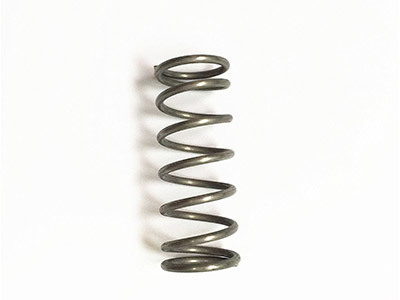
Compression springs, in general, are mechanical devices that store energy when compressed and release it when extended. Rectangular compression springs, characterized by their distinct shape, offer specific advantages over traditional cylindrical springs. Their design allows for efficient space utilization and effective load distribution, making them ideal for various applications in machinery.
The uniqueness of rectangular compression springs lies in their geometry. Their flat surfaces and corners provide a broader area for load distribution, which can lead to reduced stress concentrations. This design not only enhances the longevity of the spring but also improves its performance in applications requiring precise tension and compression.
The choice of material for rectangular compression springs is crucial to their performance. Common materials include stainless steel, music wire, and oil-tempered steel. Each material offers different benefits, such as corrosion resistance, tensile strength, and fatigue resistance. Selecting the right material can significantly impact the spring's durability and efficacy in high-stress environments.
Rectangular compression springs contribute to equipment performance in several ways. Their ability to maintain consistent pressure and absorb shocks leads to smoother operation and increased reliability in machinery.
One of the primary advantages of rectangular compression springs is their superior load distribution. Unlike traditional cylindrical springs, rectangular designs can spread the load over a larger surface area, minimizing localized stress. This uniform distribution is essential in machinery where precise movements are critical, such as in automotive or aerospace applications.
By providing effective shock absorption, rectangular compression springs help reduce wear and tear on machinery components. This not only prolongs the lifespan of the equipment but also minimizes maintenance costs. Regular maintenance can be costly and time-consuming; therefore, integrating high-quality springs into machinery can lead to significant savings in the long run.
The versatility of rectangular compression springs allows for their use in a myriad of applications across various industries. Understanding these applications can provide insights into their benefits and importance in enhancing equipment performance.
In the realm of industrial machinery, rectangular compression springs are widely used in automated systems, where consistent force and precision are required. These springs are integral in controlling movements in conveyor systems, robotic arms, and assembly lines, ensuring smooth and efficient operation.
The automotive industry also significantly benefits from the use of rectangular compression springs. They are employed in suspension systems, where they help absorb shocks and provide stability during driving. Their unique shape allows for better integration into compact spaces within vehicles, contributing to better overall performance.
Related News
Contact Us
E-mail:
WhatsAPP:
Address:
Wen 'an Industrial New Area (small Farm), Langfang, Hebei, China