

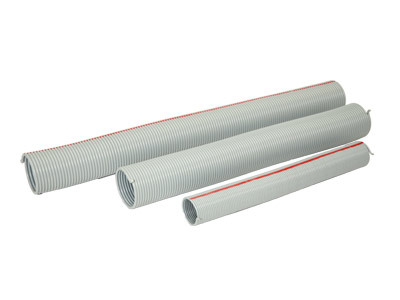

Understanding Rectangular Compression Springs: Design, Applications, and Benefits
Release Time:
2024-08-16
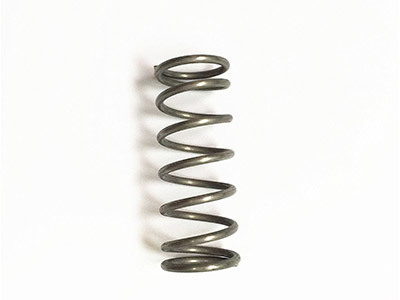
Rectangular compression springs are a specialized type of spring designed to compress under load while maintaining their structural integrity. Unlike traditional cylindrical springs, these springs feature a rectangular cross-section, allowing for unique applications in various mechanical systems. Their design offers several advantages, making them a popular choice in manufacturing and engineering

Rectangular compression springs are a specialized type of spring designed to compress under load while maintaining their structural integrity. Unlike traditional cylindrical springs, these springs feature a rectangular cross-section, allowing for unique applications in various mechanical systems. Their design offers several advantages, making them a popular choice in manufacturing and engineering sectors.
One of the primary functions of a rectangular compression spring is to absorb energy and provide resistance against compressive forces. When a load is applied, the spring compresses, storing potential energy that is released when the load is removed. This characteristic is crucial in applications where controlled motion or force is needed, such as in clamping mechanisms, automotive components, and various machinery.
The rectangular shape of these springs provides several benefits over conventional cylindrical springs. For instance, they can be designed to fit in tight spaces, making them ideal for compact machinery. Additionally, their flat surfaces allow for better contact with other components, reducing wear and tear during operation. This improved performance can lead to longer lifespans for both the springs and the machinery they are used in.
Manufacturers often select rectangular compression springs for their versatility. They can be produced in various materials, such as stainless steel, carbon steel, or even composite materials, depending on the required mechanical properties and environmental conditions. This adaptability enables engineers to tailor the spring's performance to specific applications, ensuring optimal functionality.
In terms of applications, rectangular compression springs are utilized in numerous industries, including automotive, aerospace, electronics, and industrial machinery. For example, in automotive systems, they play a vital role in suspension components, ensuring smooth rides by absorbing shocks and vibrations. In electronics, they are often found in devices requiring precision movement, such as switches and relays.
When designing a rectangular compression spring, several factors need to be considered, including the load requirements, material selection, and manufacturing processes. Engineers must also account for factors like fatigue resistance and environmental exposure, which can significantly impact the performance and durability of the spring.
In conclusion, rectangular compression springs offer a unique solution for various mechanical applications, combining efficiency, adaptability, and durability. Their distinct design allows for improved performance in compact spaces, making them a preferred choice in many manufacturing processes. Understanding the characteristics and benefits of these springs can help engineers make informed decisions that enhance the overall functionality of their machinery. As industries continue to evolve, the demand for innovative spring designs will only increase, making rectangular compression springs an integral part of modern engineering solutions.
Related News
Contact Us
E-mail:
WhatsAPP:
Address:
Wen 'an Industrial New Area (small Farm), Langfang, Hebei, China