

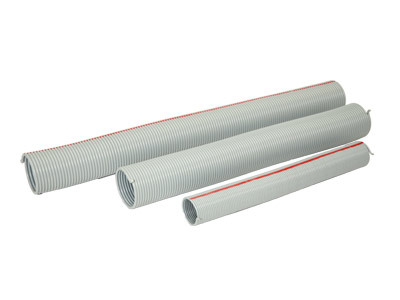

Unveiling the Benefits of Rectangular Compression Springs in Modern Machinery
Release Time:
2024-08-15
Rectangular compression springs are a pivotal element of modern machinery, offering a unique combination of efficiency and performance. Their distinctive geometry sets them apart from traditional cylindrical springs, allowing for tailored solutions in various applications. In this article, we will delve into the benefits, applications, manufacturing processes, and much more concerning rectangular compression springs, ultimately highlighting why they are becoming increasingly integral to the manufacturing landscape.

Rectangular compression springs are a pivotal element of modern machinery, offering a unique combination of efficiency and performance. Their distinctive geometry sets them apart from traditional cylindrical springs, allowing for tailored solutions in various applications. In this article, we will delve into the benefits, applications, manufacturing processes, and much more concerning rectangular compression springs, ultimately highlighting why they are becoming increasingly integral to the manufacturing landscape.
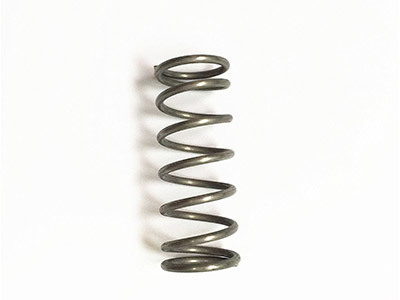
Rectangular compression springs are mechanical devices designed to store and release energy when compressed. Unlike traditional round springs, these springs feature a rectangular cross-section, allowing for enhanced stability and load distribution. They operate on the principle of Hooke's Law, which states that the force exerted by a spring is directly proportional to its displacement. This unique geometry not only enhances their performance but also makes them suitable for a variety of industrial applications.
One of the primary advantages of rectangular compression springs is their **space efficiency**. The rectangular shape allows for better utilization of available space within machinery, especially in compact designs where every millimeter counts. This geometry minimizes wasted space, enabling engineers to optimize designs without compromising performance.
Rectangular compression springs generally exhibit an increased **load capacity** compared to their cylindrical counterparts. The distribution of load across the rectangular cross-section allows them to support heavier loads without deformation. This makes them ideal for applications requiring significant resistance to compressive forces.
The versatility of rectangular compression springs is evident across various industries. From automotive to aerospace, these springs can be customized to meet specific requirements, providing solutions for numerous challenges. The adaptability of their design and material allows them to perform optimally in diverse environments.
Manufacturers can choose from a wide range of materials when producing rectangular compression springs, such as stainless steel, carbon steel, and alloys. This **varied material selection** allows for enhanced performance characteristics tailored to specific applications, whether that be resistance to corrosion, heat, or fatigue.
When compared to other types of springs, rectangular compression springs often prove to be more **cost-effective**. Their efficient design results in lower production costs and improved longevity, which translates to reduced maintenance expenses in the long run. For businesses, this means a better return on investment.
Rectangular compression springs are utilized in various machinery applications due to their unique characteristics. Below, we explore some key industries where these springs play a vital role.
In the automotive industry, rectangular compression springs are used in suspension systems, seat mechanisms, and engine components. Their ability to withstand high loads while maintaining a compact form makes them ideal for enhancing vehicle performance and safety.
Aerospace applications require components that can endure extreme conditions. Rectangular compression springs are employed in systems ranging from landing gears to actuation devices, where reliability and performance are paramount.
In the realm of consumer electronics, these springs are found in devices such as printers, cameras, and mobile phones. Their space-efficient design allows manufacturers to create slimmer, more portable devices without sacrificing functionality.
Related News
Contact Us
E-mail:
WhatsAPP:
Address:
Wen 'an Industrial New Area (small Farm), Langfang, Hebei, China