

Understanding Helical Compression Springs: Key Concepts for Manufacturing Professionals
Release Time:
2024-08-14
Helical compression springs are a vital component in many manufacturing and mechanical applications. These springs are designed to absorb and store energy when compressed, providing a force that returns to their original shape once the load is removed. Unlike other spring types, helical compression springs are characterized by their coiled shape that resembles a helix, which allows them to efficie

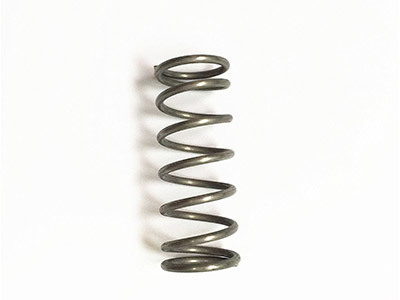
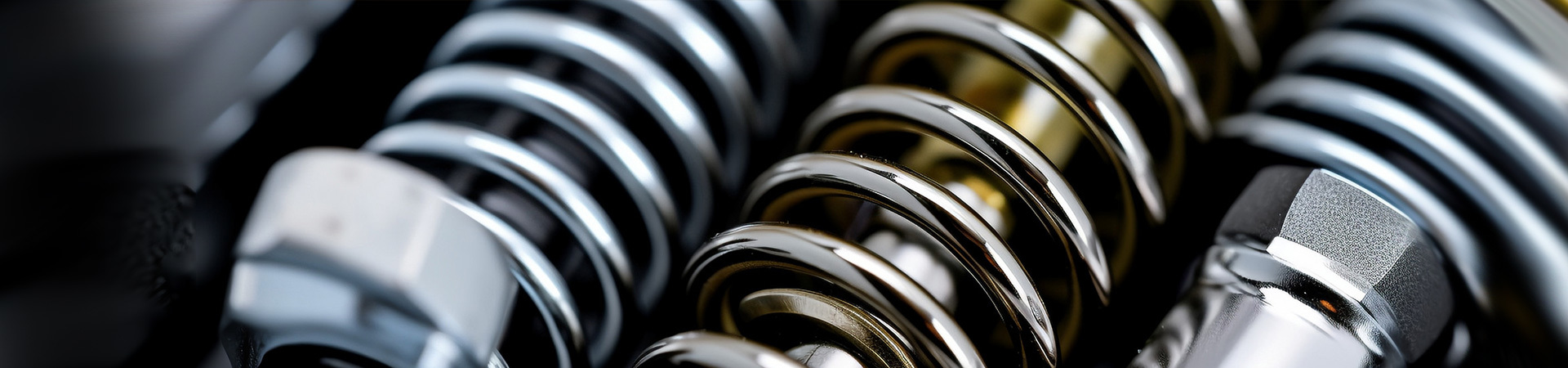
Helical compression springs are a vital component in many manufacturing and mechanical applications. These springs are designed to absorb and store energy when compressed, providing a force that returns to their original shape once the load is removed. Unlike other spring types, helical compression springs are characterized by their coiled shape that resembles a helix, which allows them to efficiently handle axial loads.
The design of a helical compression spring is crucial for its performance. These springs are typically made from high-carbon steel, stainless steel, or other specialty materials, which provide the necessary strength and flexibility. The spring's diameter, wire thickness, and the number of coils are significant factors that influence its load capacity and deflection. Understanding these parameters is essential for selecting the right spring for specific applications.
Helical compression springs are widely used in various industries, including automotive, aerospace, and electronics. For instance, they play a critical role in vehicle suspension systems, ensuring a smooth ride by absorbing shocks and vibrations. In the electronics industry, these springs are often found in key switches and other devices where consistent force is required for functionality. Their versatility makes them indispensable across multiple sectors.
When selecting a helical compression spring, manufacturers must consider several factors. The maximum load and the amount of deflection required are primary considerations. Additionally, the environment in which the spring will operate—such as exposure to moisture, temperature variations, or corrosive substances—can significantly affect material choice. Selecting the right spring requires a careful balance between these factors to ensure optimal performance and longevity.
Manufacturers should also be aware of the various methods for customizing helical compression springs. Many spring manufacturers offer services that allow clients to specify dimensions, materials, and load capacities to meet unique application requirements. This customization capability is particularly beneficial for specialized manufacturing processes where standard springs may not suffice.
In conclusion, helical compression springs are essential components in a wide range of applications. Understanding their design, materials, and the factors influencing their performance enables manufacturing professionals to make informed decisions when selecting springs for their specific needs. By leveraging the knowledge of helical compression springs, businesses can enhance the reliability and efficiency of their products, ultimately driving success in their respective industries.
Related News
Contact Us
E-mail:
WhatsAPP:
Address:
Wen 'an Industrial New Area (small Farm), Langfang, Hebei, China