

Future Innovations: The Next Generation of Helical Compression Springs
Release Time:
2024-08-13
The Future of Helical Compression Springs: Innovations and Trends Helical compression springs are vital components in a wide range of applications, from automotive and aerospace to consumer electronics and industrial machinery. As industries evolve and technological advancements continue to reshape manufacturing processes, the future of helical compression springs promises exciting innovations. Th

Helical compression springs are vital components in a wide range of applications, from automotive and aerospace to consumer electronics and industrial machinery. As industries evolve and technological advancements continue to reshape manufacturing processes, the future of helical compression springs promises exciting innovations. These developments not only aim to improve the performance and efficiency of these springs but also address sustainability and cost-effectiveness. In this article, we will explore the latest trends, materials, and technologies that are driving the next generation of helical compression springs.
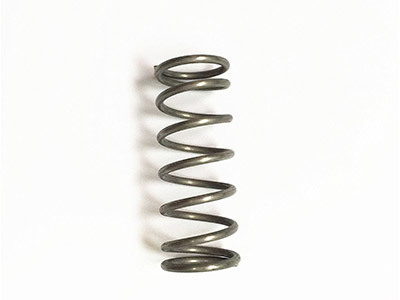
Helical compression springs are coiled springs that store energy when compressed. They are designed to resist compressive forces and return to their original shape when the load is removed. These springs are characterized by their helical shape, which allows them to effectively handle varied loads and applications. Understanding their evolution is crucial as industries seek to enhance product performance and reliability.
In manufacturing, helical compression springs play a critical role in numerous applications. They are utilized in automotive suspension systems, electronic devices, machinery, and medical equipment. Their ability to absorb shocks, maintain consistent force, and provide stability makes them indispensable. As technological advancements continue to emerge, the demand for more efficient, durable, and adaptable springs will only increase.
One of the most significant factors influencing the performance of helical compression springs is the materials used in their construction. Recent trends showcase a shift towards lightweight, high-strength materials such as:
Manufacturers are increasingly utilizing advanced alloys that provide superior strength-to-weight ratios. These materials enhance the durability and performance of springs, making them suitable for high-stress environments.
Composite materials combine the benefits of different substances to create springs that are both lightweight and exceptionally resilient. This innovation is particularly beneficial in aerospace and automotive applications, where weight reduction is paramount.
Surface treatments and coatings can significantly improve the corrosion resistance and fatigue strength of helical compression springs. Innovations in nanotechnology and polymer coatings are leading to longer-lasting and more reliable spring components.
Related News
Contact Us
E-mail:
WhatsAPP:
Address:
Wen 'an Industrial New Area (small Farm), Langfang, Hebei, China