

Understanding Helical Compression Springs: Design, Applications, and Benefits
Release Time:
2024-08-12
Helical compression springs are mechanical devices designed to store energy and absorb shock when compressed. These springs are characterized by their coiled shape, which enables them to efficiently handle axial loads. When a force is applied to compress the spring, it deforms, and upon release, it returns to its original shape, releasing the stored energy. This fundamental functionality makes hel

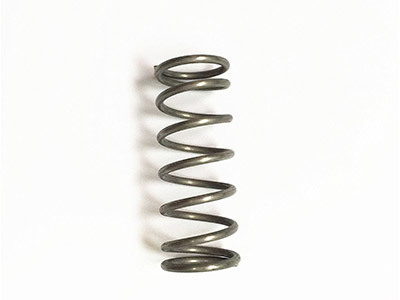
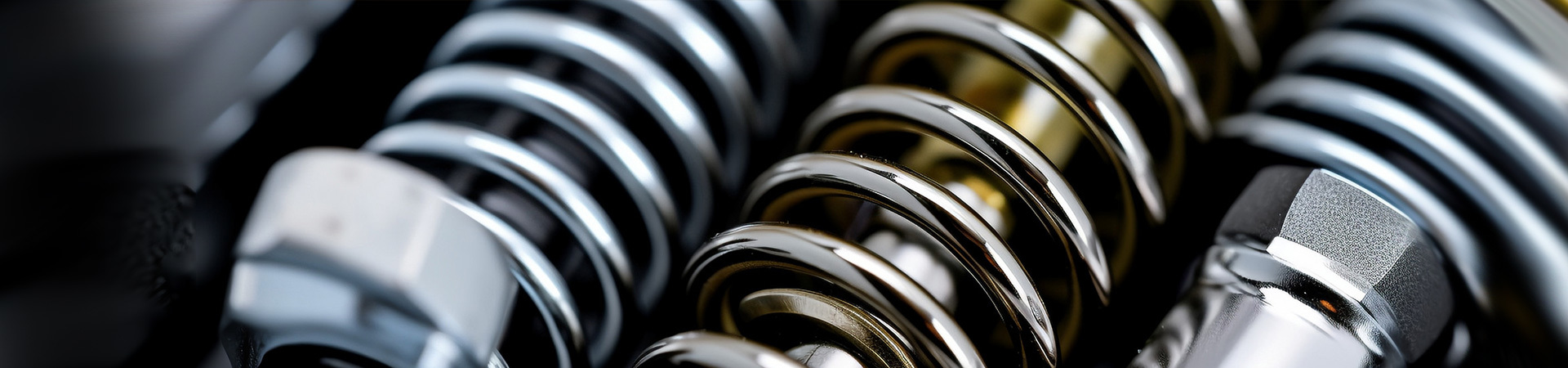
Helical compression springs are mechanical devices designed to store energy and absorb shock when compressed. These springs are characterized by their coiled shape, which enables them to efficiently handle axial loads. When a force is applied to compress the spring, it deforms, and upon release, it returns to its original shape, releasing the stored energy. This fundamental functionality makes helical compression springs an integral part of many mechanical systems.
The design of a helical compression spring involves various factors, including wire diameter, coil diameter, total number of coils, and material selection. The choice of material is crucial, as it affects the spring's strength, flexibility, and durability. Common materials include stainless steel, music wire, and oil-tempered steel, each offering different mechanical properties suited for specific applications. Additionally, the manufacturing process can involve techniques such as cold coiling or hot coiling, depending on the required specifications and the material used.
Applications for helical compression springs are vast and diverse. They are widely used in automotive, aerospace, consumer electronics, and industrial machinery. In the automotive industry, these springs are crucial for suspensions, providing stability and comfort by absorbing shocks from the road. In consumer electronics, they can be found in devices such as keyboards and remote controls, enabling responsive operation. Industrial applications may include machinery assemblies, where these springs help maintain tension or support moving parts, ensuring smooth operation.
One significant benefit of helical compression springs is their ability to operate effectively under varying loads. They can provide consistent performance over a wide range of compressive forces, making them versatile components in system design. Furthermore, their relatively simple design allows for easy integration into existing systems, reducing complexity in engineering designs.
Another advantage is their efficiency in energy storage. Due to their helical shape, these springs can achieve a high level of energy storage without occupying excessive space. This feature is particularly beneficial in compact applications where size constraints are a consideration.
In conclusion, helical compression springs play a vital role in modern manufacturing and mechanical systems. Their unique design, broad application range, and efficient energy storage capabilities make them indispensable components across various industries. Understanding the principles of these springs can help engineers and manufacturers make informed design choices, ultimately leading to improved performance and reliability in their products. Whether you are designing a new machine or looking to improve an existing one, considering the integration of helical compression springs could provide significant benefits.
Related News
Contact Us
E-mail:
WhatsAPP:
Address:
Wen 'an Industrial New Area (small Farm), Langfang, Hebei, China