

Exploring the Cost-Effectiveness of Helical Compression Springs in Production
Release Time:
2024-08-11
Exploring the Cost-Effectiveness of Helical Compression Springs in Production Table of Contents 1. Introduction to Helical Compression Springs 2. Understanding the Cost-Effectiveness of Helical Compression Springs 2.1. Material Selection and Its Impact on Costs 2.2. Manufacturing Efficiency and Process Optimization 3. Applications of Helical Compression Springs in Various Industries 4. Comparative

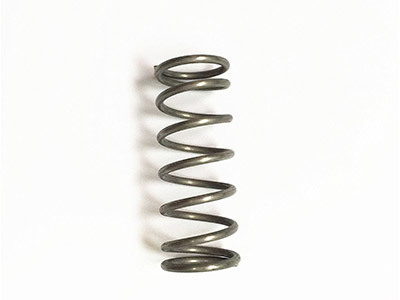
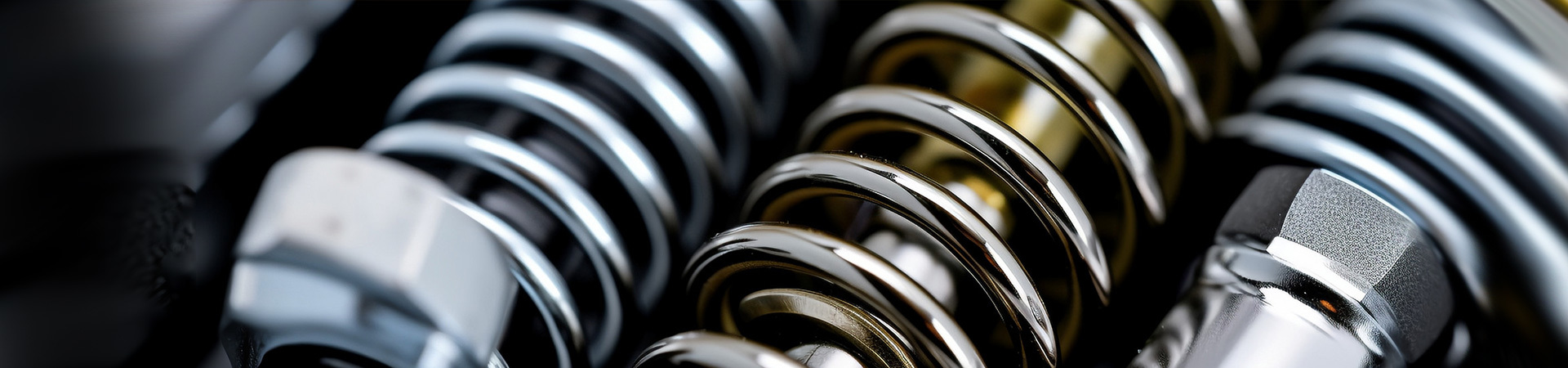
Helical compression springs are vital components in numerous mechanical systems. Characterized by their coiled structures, these springs are designed to resist compressive forces. Their design allows them to store energy and return to their original shape when the force is removed. This article explores the cost-effectiveness of helical compression springs in production, providing insights into their benefits, applications, and factors that contribute to their economic advantages.
When evaluating the cost-effectiveness of helical compression springs, it’s essential to consider multiple factors that influence overall expenses.
The choice of materials significantly affects both the initial costs and the long-term performance of helical compression springs. Common materials include stainless steel, carbon steel, and alloy steel. Stainless steel, while generally more expensive, offers superior corrosion resistance and durability, ultimately leading to lower replacement costs over time. In contrast, carbon steel is more affordable upfront but may require more frequent replacements in harsh environments, increasing overall expenses.
Modern manufacturing techniques, such as computer numerical control (CNC) machining and automated production lines, have enhanced the efficiency of producing helical compression springs. These technologies reduce labor costs and minimize waste, allowing manufacturers to offer competitive pricing. Additionally, optimized production processes can result in shorter lead times, further contributing to cost savings.
Helical compression springs find use across a diverse range of industries. From automotive and aerospace to consumer electronics and medical devices, these springs play a crucial role in various applications.
In the automotive sector, helical compression springs are used in suspension systems, helping to absorb shocks and provide stability. In the aerospace industry, they contribute to the functionality of various mechanisms, ensuring reliable operations under extreme conditions. Furthermore, in medical devices, these springs are essential in equipment such as hospital beds and surgical tools, where precision and reliability are paramount.
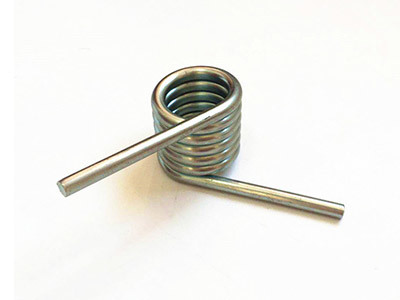
When considering spring solutions for production, it’s important to compare helical compression springs with other spring types, such as torsion springs and extension springs.
Helical compression springs are generally more versatile than torsion springs, as they can be designed to achieve a wide range of force and motion characteristics. Moreover, helical springs are simpler to manufacture, which may lead to lower costs. While extension springs are excellent for applications requiring pulling force, they are not as widely applicable as compression springs, making helical springs often the more cost-effective choice.
Several key factors determine the cost-effectiveness of helical compression springs, including durability, design flexibility, and customization capabilities.
Related News
Contact Us
E-mail:
WhatsAPP:
Address:
Wen 'an Industrial New Area (small Farm), Langfang, Hebei, China