


Understanding Conical Compression Springs: Design, Functionality, and Applications
Release Time:
2024-08-10
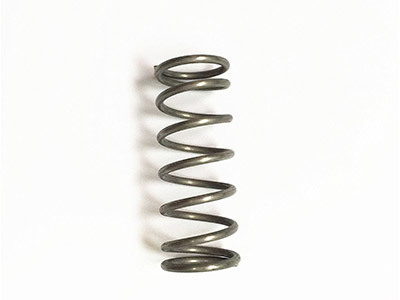
Conical compression springs are specialized mechanical components that play a pivotal role in various applications across the manufacturing and engineering sectors. Unlike traditional cylindrical compression springs, conical compression springs have a tapered design, which allows them to compress in a more controlled manner. This unique geometry not only optimizes space but also enhances load dist

Conical compression springs are specialized mechanical components that play a pivotal role in various applications across the manufacturing and engineering sectors. Unlike traditional cylindrical compression springs, conical compression springs have a tapered design, which allows them to compress in a more controlled manner. This unique geometry not only optimizes space but also enhances load distribution when under compression.
The primary function of conical compression springs is to absorb and store energy. When a load is applied, these springs compress, storing energy in the process. Upon release of the load, the springs return to their original shape, releasing the stored energy. This characteristic is essential in applications where controlled movement is vital, such as in clutches, dampers, and other mechanisms that require precise tension adjustment.
One of the notable advantages of conical compression springs is their ability to provide a variable spring rate. This means that the force required to compress the spring changes as it is compressed, allowing for smoother operation. The tapered design allows for a more gradual increase in resistance as the spring compresses, making it ideal for applications that need to manage changing loads or impacts.
Additionally, the manufacturing process of conical compression springs involves advanced techniques such as computer numerical control (CNC) machining and heat treatment. These methods ensure high precision and durability, which are essential for components used in critical applications. The materials used in the production of these springs can vary, with options including stainless steel and high-carbon steel, chosen for their strength and resilience.
Conical compression springs are widely used in various industries, including automotive, aerospace, and consumer electronics. In the automotive sector, they can be found in suspension systems, where they help absorb shocks and improve ride quality. In aerospace, these springs are employed in critical systems due to their reliability and performance under stress. In consumer electronics, they are utilized in devices that require compact, efficient motion control, such as printers and cameras.
In conclusion, conical compression springs are essential components with unique design features that enhance their functionality in various applications. Their ability to manage variable loads and provide controlled compression makes them invaluable in the manufacturing sector. As technology advances, the demand for high-performance conical compression springs continues to grow, highlighting their important role in modern engineering solutions. Understanding their characteristics and applications can empower professionals to make informed decisions in their respective fields.
Related News
Contact Us
E-mail:
WhatsAPP:
Address:
Wen 'an Industrial New Area (small Farm), Langfang, Hebei, China