

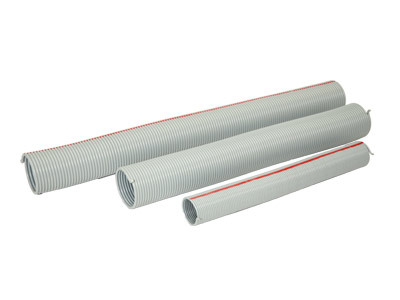

Understanding Flat Wire Compression Springs: Design and Applications
Release Time:
2024-08-22
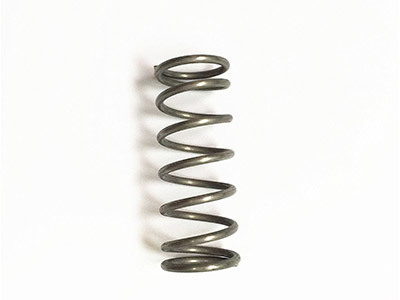
Flat wire compression springs are a specialized type of spring that utilize flat wire to provide compressive force. Unlike traditional round wire springs, flat wire compression springs offer several advantages, making them suitable for various applications in manufacturing and mechanical systems. Understanding their design, manufacturing processes, and applications can significantly enhance their

Flat wire compression springs are a specialized type of spring that utilize flat wire to provide compressive force. Unlike traditional round wire springs, flat wire compression springs offer several advantages, making them suitable for various applications in manufacturing and mechanical systems. Understanding their design, manufacturing processes, and applications can significantly enhance their utility in different industries.
One of the key benefits of flat wire compression springs is their ability to be designed for specific space constraints. The flat profile allows for a more compact design compared to round wire springs. This can be particularly advantageous in applications where space is limited, such as in automotive components, electronic devices, or appliances. Furthermore, the flat wire allows for a larger surface area which can enhance frictional properties and yield higher strength, making them reliable for high-load applications.
When it comes to manufacturing flat wire compression springs, the choice of material is critical. Springs can be made from various materials, including stainless steel, high-carbon steel, or other alloys, depending on the required strength, corrosion resistance, and fatigue properties. The manufacturing process often involves precision methods such as coiling, heat treatment, and surface finishing to ensure that the springs meet specific performance standards.
Designing a flat wire compression spring requires careful consideration of several factors. The dimensions of the spring, including wire thickness, diameter, and the number of coils, play a significant role in determining the spring's performance characteristics. Additionally, the spring's load capacity and deflection must be calculated based on the intended application to ensure optimal functionality.
Applications for flat wire compression springs are diverse. They are commonly found in automotive systems, where they are used to absorb shock and maintain tension in various components. In the electronics industry, they can be utilized in switches and connectors, providing reliable contact pressure. Additionally, flat wire compression springs are often employed in medical devices, where precise and controlled movements are crucial.
In conclusion, flat wire compression springs are a versatile and effective solution for numerous manufacturing and mechanical applications. Their unique design characteristics, combined with the ability to customize based on specific requirements, make them an essential component across various industries. Understanding their benefits, manufacturing processes, and applications can help engineers and designers make informed decisions, thereby improving the performance and reliability of their products.
Related News
Contact Us
E-mail:
WhatsAPP:
Address:
Wen 'an Industrial New Area (small Farm), Langfang, Hebei, China