

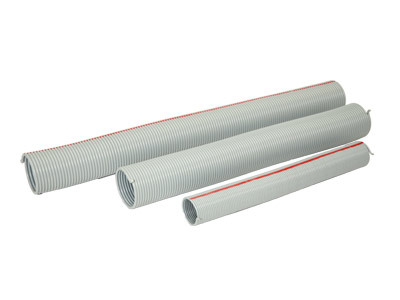

How compression of the spring Affects Machinery Efficiency: An In-Depth Analysis
Release Time:
2024-08-05
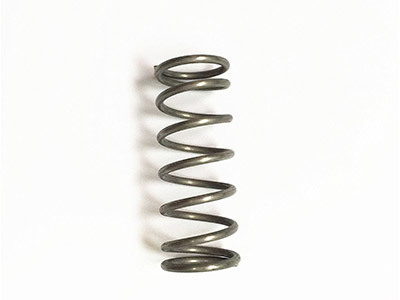
In the world of manufacturing and machinery, compression of the spring play an indispensable role. These helical springs are designed to resist compressive forces and are essential for maintaining the functionality of various mechanical systems. Understanding how the compression of springs affects machinery efficiency is critical for manufacturers aiming to optimize their operations.

In the world of manufacturing and machinery, compression of the spring play an indispensable role. These helical springs are designed to resist compressive forces and are essential for maintaining the functionality of various mechanical systems. Understanding how the compression of springs affects machinery efficiency is critical for manufacturers aiming to optimize their operations.
compression of the spring work by storing mechanical energy when they are compressed. The energy is released when the spring returns to its original shape. This simple yet effective mechanism is crucial in numerous applications, from automotive components to industrial machinery.
compression of the spring operate based on Hooke's Law, which states that the force exerted by a spring is directly proportional to its displacement. This fundamental principle is essential in understanding how different factors affect spring performance.
compression of the spring serve various critical functions in machinery, all of which contribute to improved efficiency and overall performance.
One of the primary roles of compression springs is energy storage. When machinery operates, various components require instantaneous energy. Compression springs can store and release this energy efficiently, thereby enhancing performance during operation.
In many applications, machinery is subjected to vibrations that can lead to wear and potential failure. Compression springs are commonly used as dampers to absorb these shocks, prolonging the life of equipment and improving operational efficiency.
In automated machinery, compression springs are often used in control mechanisms to reset positions or maintain tension. This reliability is crucial for maintaining efficiency in manufacturing processes such as assembly lines.
Several factors can influence how compression springs behave under load and, consequently, how they impact machinery efficiency.
Temperature variations can significantly affect spring performance. High temperatures may lead to softening of the material, while low temperatures can increase brittleness. Understanding the operational environment is crucial for selecting the right type of spring.
compression of the spring are often exposed to harsh environments, including moisture and chemicals. Selecting materials with appropriate corrosion resistance will enhance the spring's longevity and maintain machinery efficiency.
Machinery often experiences variable loads during operation. Compression springs must be designed to handle these fluctuations without compromising performance. Understanding the specific operational conditions is essential for optimal spring design.
Related News
Contact Us
E-mail:
WhatsAPP:
Address:
Wen 'an Industrial New Area (small Farm), Langfang, Hebei, China