

The Intricacies of compression of the spring: Understanding the Mechanics Behind It
Release Time:
2024-08-04
Compression springs are a vital component in many mechanical systems, providing essential support and functionality. They are designed to absorb and store energy when compressed, allowing them to return to their original shape when the force is released. Understanding the mechanics of spring compression is crucial for engineers and manufacturers alike, as it influences the performance and reliabil

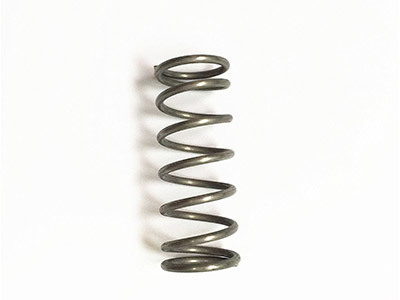
Compression springs are a vital component in many mechanical systems, providing essential support and functionality. They are designed to absorb and store energy when compressed, allowing them to return to their original shape when the force is released. Understanding the mechanics of spring compression is crucial for engineers and manufacturers alike, as it influences the performance and reliability of a product.
At its core, the compression of the spring involves applying a force that compresses the spring coils. This force causes a change in the spring's length, and the amount of compression is directly related to the spring's material properties, coil diameter, and the number of active coils. The fundamental principle governing this behavior is Hooke's Law, which states that the force exerted by a spring is proportional to its displacement. In mathematical terms, it can be expressed as F = kx, where F is the force applied, k is the spring constant, and x is the displacement from the equilibrium position.
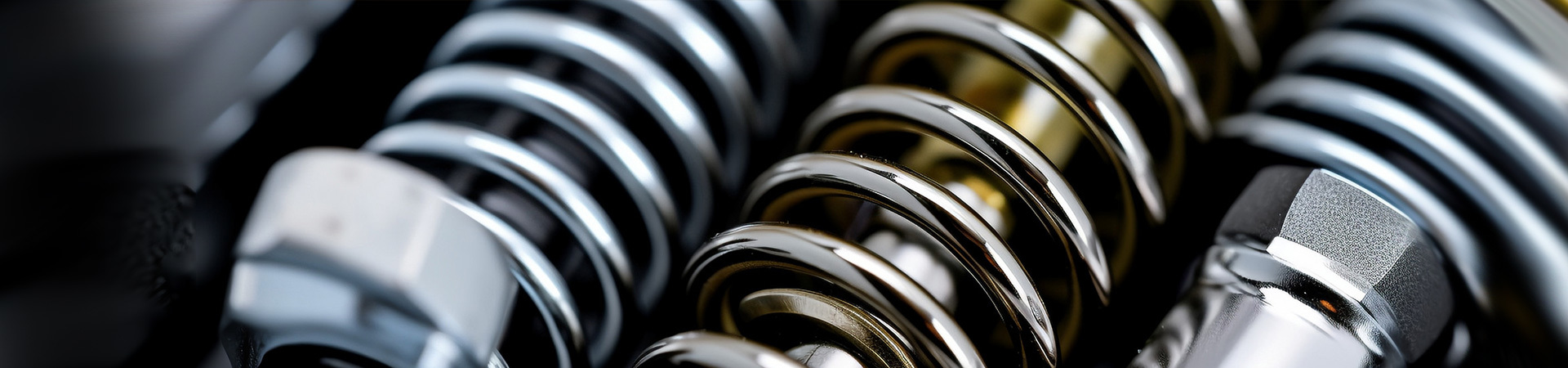
Compression springs have a wide range of applications across various industries. They can be found in automotive systems, machinery, appliances, and even consumer electronics. Their ability to provide resistance and absorb shock makes them indispensable in designing components that require durability and reliability. In automotive suspensions, for instance, compression springs help absorb shocks from the road, ensuring a smooth ride.
Several factors influence the performance of compression springs, including the material used in their construction. Common materials include stainless steel, music wire, and oil-tempered steel. Each material has unique properties that affect the spring's strength, flexibility, and fatigue resistance. Additionally, the manufacturing process plays a crucial role in determining the spring's characteristics. Techniques such as cold coiling and heat treatment can enhance the performance of compression springs, making them suitable for demanding applications.
Another consideration in the design of compression springs is the environment in which they will operate. Factors such as temperature, humidity, and exposure to corrosive substances can significantly impact the spring's longevity and functionality. Therefore, engineers must carefully evaluate these conditions during the design phase to ensure the spring will perform optimally throughout its service life.
In conclusion, understanding the compression of the spring is fundamental for anyone involved in manufacturing and engineering. By grasping the principles of spring mechanics, the materials involved, and their applications, professionals can design more effective and reliable systems. As technology advances, the role of compression springs will continue to evolve, highlighting the importance of ongoing education and innovation in this field.
Related News
Contact Us
E-mail:
WhatsAPP:
Address:
Wen 'an Industrial New Area (small Farm), Langfang, Hebei, China