

Understanding Extension Springs: Essential Components for Door and Window Hardware
Release Time:
2026-01-11
Extension springs are mechanical devices that store energy and exert a force when they are extended. They are typically made of coiled metal wire and are designed to resist stretching. In the context of door and window hardware, extension springs are commonly used in applications such as window screens, storm doors, and retractable awnings. Their ability to provide a controlled force makes them id

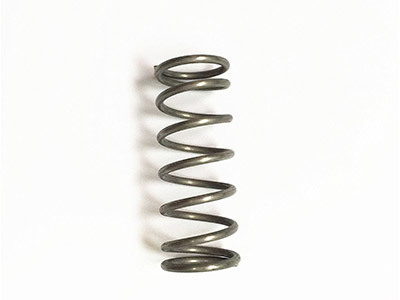
Extension springs are mechanical devices that store energy and exert a force when they are extended. They are typically made of coiled metal wire and are designed to resist stretching. In the context of door and window hardware, extension springs are commonly used in applications such as window screens, storm doors, and retractable awnings. Their ability to provide a controlled force makes them ideal for these functionalities, ensuring smooth operation and enhancing user experience.
One of the key advantages of extension springs is their versatility. They can be manufactured in various sizes and strengths to suit different applications. This adaptability allows professionals to select the right spring for specific projects, whether it’s for lightweight screens or heavier storm doors. Furthermore, the extension spring's design can accommodate different installation environments, ranging from residential buildings to commercial properties.
When choosing an extension spring for door and window hardware, several technical factors should be considered. The spring's diameter, wire gauge, and coil length are crucial parameters that influence its performance. Professionals must carefully assess the load requirements of the application to determine the correct specifications. An improperly sized spring can lead to malfunction, resulting in maintenance issues or compromised safety.
In addition to performance specifications, the material used in manufacturing extension springs is also vital. Most commonly made from high-carbon steel, these springs may also be coated or treated to enhance durability and resistance to corrosion, especially in outdoor applications. Understanding the environmental factors that the spring will be exposed to can help in making informed decisions about the material choice.
Another significant consideration is the installation process. Proper installation of extension springs is essential for optimal performance. Misalignment or improper tensioning can lead to premature wear and potential failure. Therefore, professionals should ensure they are familiar with best practices for installing extension springs, including the use of appropriate tools and safety measures.
In conclusion, extension springs are fundamental elements in the effective operation of door and window hardware. By understanding their characteristics, applications, and installation requirements, professionals in the construction and decorative materials industry can enhance the performance and longevity of their projects. Knowledge of extension springs not only helps in selecting the right components but also fosters innovation in design and functionality within the field.
One of the key advantages of extension springs is their versatility. They can be manufactured in various sizes and strengths to suit different applications. This adaptability allows professionals to select the right spring for specific projects, whether it’s for lightweight screens or heavier storm doors. Furthermore, the extension spring's design can accommodate different installation environments, ranging from residential buildings to commercial properties.
When choosing an extension spring for door and window hardware, several technical factors should be considered. The spring's diameter, wire gauge, and coil length are crucial parameters that influence its performance. Professionals must carefully assess the load requirements of the application to determine the correct specifications. An improperly sized spring can lead to malfunction, resulting in maintenance issues or compromised safety.
In addition to performance specifications, the material used in manufacturing extension springs is also vital. Most commonly made from high-carbon steel, these springs may also be coated or treated to enhance durability and resistance to corrosion, especially in outdoor applications. Understanding the environmental factors that the spring will be exposed to can help in making informed decisions about the material choice.
Another significant consideration is the installation process. Proper installation of extension springs is essential for optimal performance. Misalignment or improper tensioning can lead to premature wear and potential failure. Therefore, professionals should ensure they are familiar with best practices for installing extension springs, including the use of appropriate tools and safety measures.
In conclusion, extension springs are fundamental elements in the effective operation of door and window hardware. By understanding their characteristics, applications, and installation requirements, professionals in the construction and decorative materials industry can enhance the performance and longevity of their projects. Knowledge of extension springs not only helps in selecting the right components but also fosters innovation in design and functionality within the field.
Related News
Contact Us
E-mail:
WhatsAPP:
Address:
Wen 'an Industrial New Area (small Farm), Langfang, Hebei, China