

Common Mistakes to Avoid When Fixing Garage Springs: A Comprehensive Guide
Release Time:
2026-01-08
Common Mistakes to Avoid When Fixing Garage Springs: A Comprehensive Guide Fixing garage springs is a task that many homeowners consider taking on themselves. However, without the right knowledge and preparation, this critical repair can lead to serious accidents and costly errors. In this article, we will explore the **common mistakes** that people make when attempting to fix garage springs and p

Common Mistakes to Avoid When Fixing Garage Springs: A Comprehensive Guide
Fixing garage springs is a task that many homeowners consider taking on themselves. However, without the right knowledge and preparation, this critical repair can lead to serious accidents and costly errors. In this article, we will explore the **common mistakes** that people make when attempting to fix garage springs and provide insights on how to avoid them.
Table of Contents
- Introduction to Garage Springs
- Understanding Garage Spring Mechanisms
- Common Mistakes in Garage Spring Repair
- Not Using Proper Safety Gear
- Ignoring the Type of Spring
- Not Seeking Professional Help When Needed
- Skipping Maintenance Checks
- Failure to Follow Manufacturer Instructions
- Conclusion
- FAQs
Introduction to Garage Springs
Garage doors are integral components of home security and convenience. They operate using a system of springs, which balance the weight of the door and facilitate its movement. Fixing garage springs is often necessary when they wear out or break, but this is a task that should not be taken lightly. The springs are under tremendous tension, posing significant risks if handled improperly.
Understanding Garage Spring Mechanisms
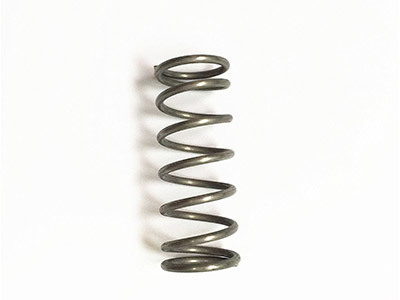
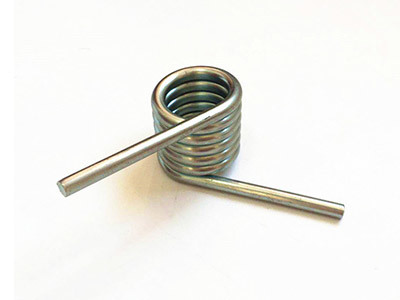
Garage doors typically utilize two types of springs: **torsion springs** and **extension springs**. Torsion springs are mounted above the door and work by twisting, while extension springs are located on either side of the door and extend when the door opens. Each type has its own installation and repair procedures, making it crucial to understand which one is in your garage before attempting any repairs.
Common Mistakes in Garage Spring Repair
When fixing garage springs, several common mistakes can lead to dangerous situations or ineffective repairs. Below, we outline these pitfalls and provide tips on how to sidestep them.
Not Using Proper Safety Gear
One of the most critical mistakes is neglecting to wear appropriate safety gear. Given the tension in garage springs, accidents can happen in an instant. Always wear safety goggles, gloves, and sturdy footwear to protect yourself while performing repairs.
Ignoring the Type of Spring
It’s essential to recognize the type of spring installed in your garage. Using the wrong tools or techniques for a specific spring type can lead to improper repairs. **Torsion springs** require winding and unwinding tools, while **extension springs** may need a different approach. Always confirm which spring type you are dealing with before commencing any work.
Not Seeking Professional Help When Needed
Some homeowners may feel confident in their DIY abilities but overlook the complexity of garage spring repairs. If you’re unsure about any aspect of the repair process, it’s wise to consult with a professional. This can save you time, money, and potential injury.
Skipping Maintenance Checks
Regular maintenance of garage springs can prolong their lifespan and prevent sudden failures. Many homeowners neglect routine checks for wear and tear. Make it a point to visually inspect the springs and other components of your garage door system periodically to catch potential issues early.
Failure to Follow Manufacturer Instructions
Every garage door and spring system comes with manufacturer instructions. Ignoring these guidelines can lead to incorrect installations or repairs. Always refer to the specific recommendations provided by the manufacturer to ensure a safe and effective repair process.
Conclusion
Fixing garage springs is a task that requires careful consideration and awareness of potential pitfalls. By avoiding common mistakes such as neglecting safety gear, ignoring spring types, skipping maintenance checks, and failing to follow manufacturer instructions, you can significantly enhance the safety and effectiveness of your repairs. When in doubt, don't hesitate to seek professional assistance. A well-maintained garage door system not only enhances the convenience of your daily life but also contributes to the overall safety and security of your home.
FAQs
1. What are the signs that my garage springs need to be replaced?
Common signs include the garage door not opening completely, unusual noises during operation, or visible gaps in the springs.
2. Can I fix garage springs myself?
While it's possible for some individuals with experience to fix garage springs, it's generally recommended to seek professional help, especially if you're inexperienced.
3. Why is wearing safety gear important when fixing garage springs?
Garage springs are under high tension, and improper handling can lead to serious injuries. Safety gear helps protect you from potential accidents.
4. How often should I perform maintenance checks on my garage springs?
It’s advisable to perform maintenance checks at least twice a year or more frequently if you use your garage door often.
5. What tools do I need to fix garage springs?
The tools required vary depending on the spring type. Common tools include wrenches, screwdrivers, safety glasses, and spring winding bars for torsion springs.
By following the guidelines in this comprehensive article, we hope you can navigate the complexities of garage spring repairs safely and effectively.
Related News
Contact Us
E-mail:
WhatsAPP:
Address:
Wen 'an Industrial New Area (small Farm), Langfang, Hebei, China