

Torsion Springs Explained: The Essential Component in Hardware Design
Release Time:
2026-01-14
Torsion Springs Explained: The Essential Component in Hardware Design Table of Contents 1. Introduction to Torsion Springs 2. What Are Torsion Springs? 3. How Torsion Springs Work 4. Types of Torsion Springs 4.1 Left-Hand Torsion Springs 4.2 Right-Hand Torsion Springs 5. Applications of Torsion Springs 6. Benefits of Using Torsion

Torsion Springs Explained: The Essential Component in Hardware Design
Table of Contents
- 1. Introduction to Torsion Springs
- 2. What Are Torsion Springs?
- 3. How Torsion Springs Work
- 4. Types of Torsion Springs
- 5. Applications of Torsion Springs
- 6. Benefits of Using Torsion Springs
- 7. Choosing the Right Torsion Spring
- 8. Maintaining Torsion Springs for Longevity
- 9. Conclusion
- 10. FAQs About Torsion Springs
1. Introduction to Torsion Springs
Torsion springs are essential components in various hardware designs, particularly in the construction and decorative materials sectors. These springs store energy when twisted and release that energy when returning to their original position, making them highly effective in applications requiring rotational force.
In this article, we will explore the anatomy of torsion springs, their types, applications, and the benefits they bring to hardware design. Our goal is to provide a comprehensive understanding that aids in selecting and maintaining these critical components.
2. What Are Torsion Springs?
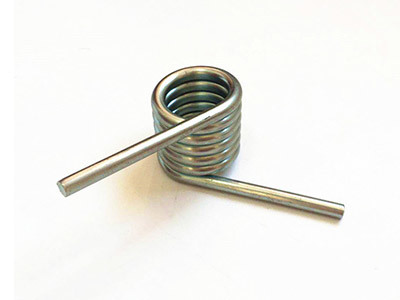
Torsion springs are mechanical devices that exert a torque or rotational force when twisted. They consist of a coiled wire that is wound in such a way that it can store potential energy as it is twisted. This stored energy is released when the spring returns to its neutral position. The primary purpose of a torsion spring is to apply a force that rotates an object around an axis.
These springs can be found in various forms, including left-hand and right-hand torsion springs, which differ based on the direction of the coil winding.
3. How Torsion Springs Work
The functionality of torsion springs revolves around Hooke's Law, which relates the force exerted by the spring to its displacement. When a torsion spring is twisted, it undergoes angular deformation, which allows it to store energy.
The amount of torque produced by the spring is directly proportional to the angle of twist. This means that the more you twist the spring, the more force it can exert when released. The spring's resistance to twisting and its ability to return to its original shape are determined by its material, coil diameter, and wire thickness.
4. Types of Torsion Springs
Torsion springs come in various shapes and forms, but the two primary types are left-hand and right-hand torsion springs.
4.1 Left-Hand Torsion Springs
Left-hand torsion springs are designed to twist in a counterclockwise direction. They are commonly used in applications where a counterclockwise rotational force is required. These springs play a vital role in mechanisms such as garage doors and various automotive applications.
4.2 Right-Hand Torsion Springs
Conversely, right-hand torsion springs twist in a clockwise direction. These springs are utilized in applications such as window mechanisms, where a clockwise force is necessary to operate the hardware effectively.
5. Applications of Torsion Springs
Torsion springs are versatile components that find applications in numerous industries. Below are some common uses:
5.1 Hardware Design
In hardware design, torsion springs are used in door hinges, latches, and locks, providing the necessary force to keep doors securely closed or to assist in opening mechanisms.
5.2 Automotive Industry
Torsion springs are integral to various automotive components, such as hoods and tailgates, allowing for smooth opening and closing operations.
5.3 Consumer Products
Everyday items like clothespins, toys, and electronic devices often incorporate torsion springs to create user-friendly mechanisms that enhance functionality.
5.4 Machinery and Equipment
In industrial settings, torsion springs are used in machinery to control moving parts, ensuring efficient operation and longevity.
6. Benefits of Using Torsion Springs
The choice of torsion springs in hardware design offers numerous advantages:
6.1 Space Efficiency
Torsion springs are compact and can be designed to fit into tight spaces, making them ideal for applications where space-saving is crucial.
6.2 High Energy Storage
These springs can store significant amounts of energy relative to their size, allowing them to perform effectively in demanding applications.
6.3 Durability
Constructed from robust materials, torsion springs are designed to withstand repeated use without losing their performance, making them a long-lasting choice.
6.4 Customization
Torsion springs can be customized to meet specific requirements, including size, shape, and torque output, allowing for tailored solutions in various applications.
7. Choosing the Right Torsion Spring
Selecting the appropriate torsion spring involves several considerations:
7.1 Assessing Torque Requirements
Understanding the torque needed for your application is critical. Calculate the required torque based on the weight and dimensions of the object the spring will be assisting.
7.2 Material Selection
Different materials offer varying levels of strength, flexibility, and resistance to environmental factors. Choose materials suited for the specific conditions they will face, such as temperature fluctuations or exposure to moisture.
7.3 Spring Dimensions
Assess the size and dimensions of the torsion spring to ensure it fits within the required space while providing adequate functionality.
8. Maintaining Torsion Springs for Longevity
To ensure the longevity of torsion springs, proper maintenance is essential:
8.1 Regular Inspections
Conduct routine inspections to check for signs of wear or fatigue. Early detection of issues can prevent catastrophic failures.
8.2 Lubrication
Applying lubricant can help reduce friction and wear, prolonging the life of the torsion spring. Ensure you use a lubricant suitable for the spring’s materials.
8.3 Environmental Considerations
Protect torsion springs from harsh environmental conditions that could lead to corrosion or degradation. Consider coatings or enclosures when necessary.
9. Conclusion
Torsion springs are fundamental components in hardware design, playing a critical role in various applications. Their unique ability to store and release energy through rotational force makes them indispensable in the construction and decorative materials industry. Understanding the various types, applications, and maintenance practices associated with torsion springs can help ensure their effective use and longevity. By selecting the right torsion spring for your needs, you can enhance the performance and durability of your hardware designs.
10. FAQs About Torsion Springs
What is the difference between left-hand and right-hand torsion springs?
Left-hand torsion springs twist counterclockwise, while right-hand torsion springs twist clockwise. The choice depends on the specific application requirements.
How do I determine the correct size for a torsion spring?
Measure the required torque and space available in your application, then consult with a manufacturer to find a spring that meets these specifications.
What materials are torsion springs made from?
Torsion springs can be made from various materials, including stainless steel, music wire, and other alloys, each chosen for their specific properties and application needs.
How often should torsion springs be inspected?
Regular inspections should be conducted every few months, or more frequently if the springs are under heavy use, to check for wear and potential issues.
Can torsion springs be customized?
Yes, torsion springs can be customized in terms of size, shape, and material to fit specific application requirements. Consult with a manufacturer for tailored solutions.
By understanding the intricacies of torsion springs, we can leverage their potential to improve the functionality and design of various hardware components.
Related News
Contact Us
E-mail:
WhatsAPP:
Address:
Wen 'an Industrial New Area (small Farm), Langfang, Hebei, China