

Offside Rear Coil Springs: Essential Components for Modern Manufacturing Solutions
Release Time:
2025-12-21
Offside Rear Coil Springs: Essential Components for Modern Manufacturing Solutions Manufacturing has evolved tremendously over the years, with innovations enhancing efficiency, productivity, and safety across various sectors. Amidst these advancements, offside rear coil springs have gained significant attention. These components are crucial in automotive applications and have broader implication

Offside Rear Coil Springs: Essential Components for Modern Manufacturing Solutions
Manufacturing has evolved tremendously over the years, with innovations enhancing efficiency, productivity, and safety across various sectors. Amidst these advancements, offside rear coil springs have gained significant attention. These components are crucial in automotive applications and have broader implications in industrial machinery, contributing to stability and performance. This article delves deep into the importance of offside rear coil springs, their design, applications, and how they can optimize modern manufacturing solutions.
Understanding Coil Springs: A Brief Overview
Coil springs are mechanical devices designed to store and release energy. They are essential components in various machinery, acting as shock absorbers and supporting loads. The offside rear coil spring specifically refers to the spring positioned at the rear side of a vehicle or machinery, often on the left or right side, depending on the design. Understanding their function is vital for appreciating their role in manufacturing equipment.
The Mechanism Behind Coil Springs
Coil springs work primarily by utilizing their elasticity. When a load is applied to a coil spring, it compresses or expands, storing energy. Once the load is removed, the spring returns to its original shape, releasing the stored energy. This mechanism is crucial in applications where shock absorption and load support are necessary.
The Types of Coil Springs
There are several types of coil springs used in various applications:
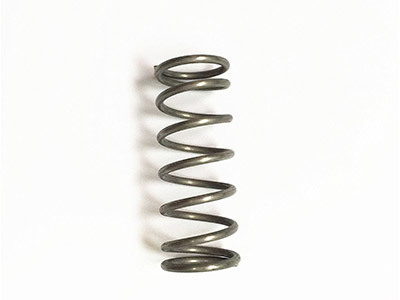
1. **Compression Springs** - These springs are designed to resist compressive forces and are commonly used in applications where load needs to be supported.
2. **Extension Springs** - These springs work opposite to compression springs, resisting stretching forces.
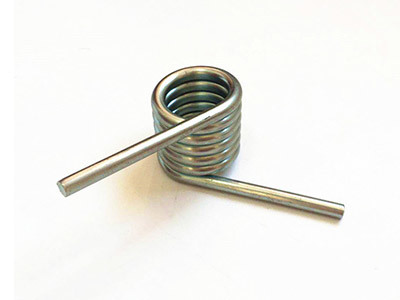
3. **Torsion Springs** - Torsion springs store energy when twisted and are utilized in applications requiring rotational force.
4. **Constant Force Springs** - These provide a constant force over a range of motion, ideal for specific industrial applications.
The Role of Offside Rear Coil Springs in Manufacturing
Offside rear coil springs play a pivotal role in the overall functionality of vehicles and machinery. Understanding their specific contributions aids manufacturers in designing better products.
Stability and Safety in Automotive Applications
In the automotive sector, offside rear coil springs are crucial for maintaining vehicle stability. They support the vehicle's weight and help dampen shocks from the road. This stability is essential for safety, particularly when navigating uneven terrains or during sudden maneuvers. A well-functioning coil spring system ensures that the car remains balanced, enhancing driver control and passenger safety.
Enhancing Performance in Industrial Machinery
In industrial settings, offside rear coil springs serve multiple functions. They are integral to machines subjected to heavy loads or vibrations. These springs absorb shocks, thereby protecting sensitive components from damage. Furthermore, they help maintain alignment in machinery, ensuring that parts work together seamlessly. This alignment is critical for efficiency and longevity in manufacturing operations.
Vibration Damping and Load Distribution
One of the key benefits of offside rear coil springs is their ability to dampen vibrations. Machinery often experiences vibrations that can lead to premature wear and tear. By absorbing these vibrations, coil springs extend the lifespan of equipment and reduce maintenance costs. Additionally, they aid in load distribution, preventing uneven wear on machinery parts.
Design Considerations for Offside Rear Coil Springs
The design of offside rear coil springs is crucial for their performance. Several factors must be considered to ensure optimal function.
Material Selection
The choice of material plays a significant role in the performance of coil springs. Common materials include high-carbon steel, stainless steel, and various alloys. Each material offers distinct advantages in terms of strength, corrosion resistance, and weight. Manufacturers must select materials based on the specific requirements of their applications.
Spring Geometry
The geometry of the coil spring, including wire diameter, coil diameter, and the number of active coils, directly affects its performance. Springs must be designed to handle specific loads and stresses. Engineers often use advanced modeling techniques to simulate performance under different conditions, ensuring that the springs meet all necessary requirements.
Coating and Finishing Processes
Coatings and finishes can enhance the durability and performance of coil springs. Common treatments include powder coating, galvanization, and heat treatment. These processes protect springs from environmental factors such as moisture and salt, extending their operational life and reducing the likelihood of failure.
Quality Assurance: The Key to Reliable Offside Rear Coil Springs
Ensuring the quality of offside rear coil springs is paramount for their performance. Manufacturers must implement rigorous quality control measures to guarantee the springs meet industry standards.
Testing and Certification
Quality testing involves evaluating the springs under various conditions to assess their performance. Tests may include load testing, fatigue testing, and environmental simulation. Certification by recognized standards organizations adds credibility, ensuring that products meet or exceed industry expectations.
Supplier Selection
Choosing the right supplier is essential for obtaining high-quality offside rear coil springs. Manufacturers should seek suppliers with a proven track record of quality assurance and reliability.
Continuous Improvement Practices
Incorporating continuous improvement practices into the manufacturing process contributes to the ongoing enhancement of product quality. Regular feedback loops and performance evaluations can help identify areas for improvement, ensuring that offside rear coil springs remain at the forefront of technology and performance.
Applications Beyond Automotive: The Versatile Nature of Offside Rear Coil Springs
While offside rear coil springs are commonly associated with automotive applications, their versatility extends to various industries.
Applications in Heavy Machinery
In industries such as construction and agriculture, offside rear coil springs are used in heavy machinery like excavators and tractors. They provide stability and load-bearing capabilities, allowing for smooth operation in challenging environments.
Use in Robotics and Automation
As robotics and automation become more prevalent in manufacturing, offside rear coil springs play a role in ensuring the reliability of robotic movements. They help manage the forces exerted during operation, contributing to precision and efficiency.
Importance in Aerospace and Aviation
In aerospace applications, offside rear coil springs support various systems, including landing gears and cargo handling equipment. Their reliability is crucial for safety and performance in high-stakes environments.
Future Trends in Offside Rear Coil Springs
The manufacturing landscape continues to evolve, and so do the technologies associated with offside rear coil springs.
Innovative Materials and Manufacturing Techniques
The introduction of advanced materials, such as composites and lightweight alloys, can enhance the performance of coil springs. Additionally, additive manufacturing techniques, including 3D printing, hold the potential to revolutionize the design and production of these components.
Integration with Smart Technologies
As IoT (Internet of Things) technologies become more integrated into manufacturing, offside rear coil springs may incorporate smart sensors. These sensors can monitor performance in real-time, providing valuable data for predictive maintenance and operational efficiency.
Emphasis on Sustainability
Sustainability is becoming increasingly important in manufacturing. The future may see more environmentally friendly materials and processes being adopted in the production of offside rear coil springs, aligning with global trends towards sustainability.
Frequently Asked Questions (FAQs)
1. What is the primary function of offside rear coil springs in vehicles?
Offside rear coil springs provide stability, support the vehicle's weight, and absorb shocks from the road, enhancing safety and comfort.
2. How do coil springs differ from leaf springs?
Coil springs use a helical design to compress and expand, while leaf springs consist of stacked layers of metal, providing different characteristics in load-bearing and shock absorption.
3. What factors affect the lifespan of coil springs?
The lifespan of coil springs can be affected by material quality, environmental conditions, load frequency, and maintenance practices.
4. Can I replace coil springs myself?
While experienced DIYers may replace coil springs, it is recommended to consult a professional to ensure safety and proper installation.
5. How can I determine if my coil springs need replacement?
Signs that coil springs may need replacement include unusual vehicle handling, noise when driving over bumps, and visible corrosion or damage.
Conclusion
Offside rear coil springs are vital components in modern manufacturing solutions, playing essential roles in automotive, industrial, and aerospace applications. Their ability to provide stability, absorb shocks, and enhance overall performance cannot be overstated. As manufacturing continues to evolve, the importance of these components will only grow, emphasizing the need for quality, innovation, and continuous improvement. By prioritizing the design and production of reliable offside rear coil springs, manufacturers can ensure that their systems operate efficiently, safely, and sustainably.
Related News
Contact Us
E-mail:
WhatsAPP:
Address:
Wen 'an Industrial New Area (small Farm), Langfang, Hebei, China