

Understanding Offside Front Coil Springs: A Comprehensive Guide
Release Time:
2025-12-24
Offside front coil springs are critical components in the suspension systems of vehicles, particularly in the context of manufacturing and processing machinery. These springs are designed to absorb shock and maintain vehicle stability, thus ensuring a smooth ride. Understanding the functionality of offside front coil springs is essential for those involved in the manufacturing and engineering sect

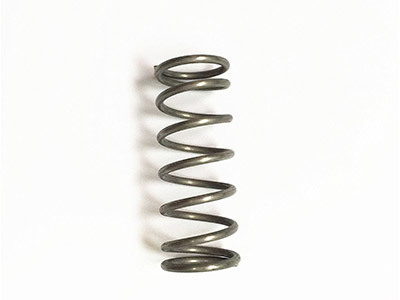
Offside front coil springs are critical components in the suspension systems of vehicles, particularly in the context of manufacturing and processing machinery. These springs are designed to absorb shock and maintain vehicle stability, thus ensuring a smooth ride. Understanding the functionality of offside front coil springs is essential for those involved in the manufacturing and engineering sectors, especially when it comes to crafting high-quality suspension systems.
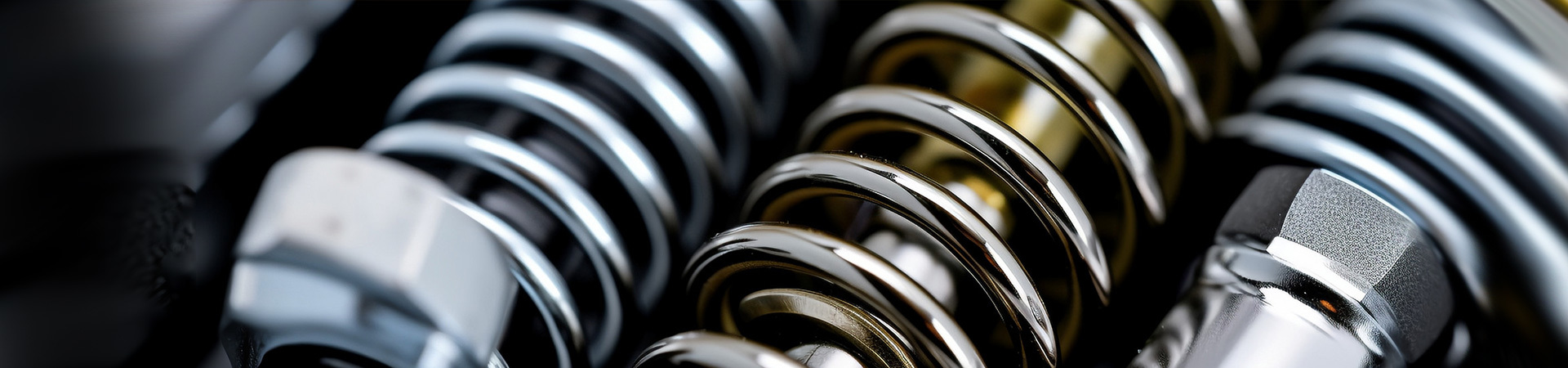
Coil springs, in general, work by bending and compressing to absorb energy when the vehicle encounters bumps or uneven surfaces. The offside front coil spring specifically refers to the spring located on the left or right side of the front axle, depending on the vehicle's configuration. It plays a vital role in supporting the weight of the vehicle and maintaining appropriate ride height, which is crucial for proper steering and handling.
When it comes to manufacturing these coil springs, various materials can be utilized, though high-carbon steel is the most common choice due to its strength and durability. The process typically involves winding a wire into the desired coil shape, followed by heat treatment to enhance its mechanical properties. Furthermore, surface treatments may be applied to improve corrosion resistance, which is particularly important for components exposed to various environmental conditions.
The performance of an offside front coil spring can significantly impact the overall vehicle dynamics. A spring that is too stiff may lead to a harsh ride, while one that is too soft can cause excessive body roll during cornering. Therefore, engineers must carefully consider factors such as spring rate, load capacity, and the intended use of the vehicle when designing and manufacturing these components.
Additionally, regular maintenance and inspection of offside front coil springs are crucial to ensure their longevity and performance. Signs of wear or damage, such as cracks or rust, should be addressed immediately, as compromised springs can lead to other mechanical failures and pose safety risks.
In the context of modern manufacturing, advancements in technology have also influenced the production of offside front coil springs. Computer-aided design (CAD) software allows engineers to simulate the performance of springs under various conditions, leading to improvements in design and functionality. Moreover, automation in manufacturing processes enhances precision and efficiency, ultimately resulting in high-quality springs that meet industry standards.
In conclusion, offside front coil springs play an essential role in vehicle suspension systems, impacting safety, stability, and ride comfort. Understanding their design, manufacturing processes, and maintenance requirements is vital for professionals in the manufacturing sector, especially those involved in crafting precision machinery components. By focusing on these critical aspects, manufacturers can ensure the creation of reliable and efficient offside front coil springs that meet the demands of modern vehicles.
Coil springs, in general, work by bending and compressing to absorb energy when the vehicle encounters bumps or uneven surfaces. The offside front coil spring specifically refers to the spring located on the left or right side of the front axle, depending on the vehicle's configuration. It plays a vital role in supporting the weight of the vehicle and maintaining appropriate ride height, which is crucial for proper steering and handling.
When it comes to manufacturing these coil springs, various materials can be utilized, though high-carbon steel is the most common choice due to its strength and durability. The process typically involves winding a wire into the desired coil shape, followed by heat treatment to enhance its mechanical properties. Furthermore, surface treatments may be applied to improve corrosion resistance, which is particularly important for components exposed to various environmental conditions.
The performance of an offside front coil spring can significantly impact the overall vehicle dynamics. A spring that is too stiff may lead to a harsh ride, while one that is too soft can cause excessive body roll during cornering. Therefore, engineers must carefully consider factors such as spring rate, load capacity, and the intended use of the vehicle when designing and manufacturing these components.
Additionally, regular maintenance and inspection of offside front coil springs are crucial to ensure their longevity and performance. Signs of wear or damage, such as cracks or rust, should be addressed immediately, as compromised springs can lead to other mechanical failures and pose safety risks.
In the context of modern manufacturing, advancements in technology have also influenced the production of offside front coil springs. Computer-aided design (CAD) software allows engineers to simulate the performance of springs under various conditions, leading to improvements in design and functionality. Moreover, automation in manufacturing processes enhances precision and efficiency, ultimately resulting in high-quality springs that meet industry standards.
In conclusion, offside front coil springs play an essential role in vehicle suspension systems, impacting safety, stability, and ride comfort. Understanding their design, manufacturing processes, and maintenance requirements is vital for professionals in the manufacturing sector, especially those involved in crafting precision machinery components. By focusing on these critical aspects, manufacturers can ensure the creation of reliable and efficient offside front coil springs that meet the demands of modern vehicles.
Related News
Contact Us
E-mail:
WhatsAPP:
Address:
Wen 'an Industrial New Area (small Farm), Langfang, Hebei, China