

Choosing the Right Quick Door Spring for Your Project Needs
Release Time:
2025-09-16
Choosing the Right Quick Door Spring for Your Project Needs When embarking on a project that involves door hardware, one of the most critical components to consider is the quick door spring. Whether you are working on a commercial space, a home renovation, or a new construction project, understanding how to choose the right quick door spring can significantly impact the functionality and longevity

Choosing the Right Quick Door Spring for Your Project Needs
When embarking on a project that involves door hardware, one of the most critical components to consider is the quick door spring. Whether you are working on a commercial space, a home renovation, or a new construction project, understanding how to choose the right quick door spring can significantly impact the functionality and longevity of your doors. In this comprehensive guide, we will explore everything you need to know about quick door springs, ensuring you make an informed decision that meets your specific project needs.
Table of Contents
- Understanding Quick Door Springs
- Types of Quick Door Springs
- Factors to Consider When Choosing a Quick Door Spring
- Installation Process for Quick Door Springs
- Maintenance and Care for Quick Door Springs
- Top Brands and Manufacturers of Quick Door Springs
- Frequently Asked Questions
- Conclusion
Understanding Quick Door Springs
Quick door springs, also known as tension springs or automatic door springs, are essential components utilized in various door systems. They are specifically designed to provide a smooth and controlled closing action for doors, ensuring safety and efficiency. These springs are often applied in commercial settings, such as office buildings, hospitals, and retail spaces, where frequent door usage is expected.
The fundamental function of a quick door spring is to automatically pull the door shut after it has been opened. This not only helps maintain climate control within a building but also enhances security and minimizes the risk of accidents. Understanding the mechanics behind these springs is crucial for selecting the right type for your project.
Types of Quick Door Springs
There are several types of quick door springs available on the market, each designed for specific applications and door types. Here are the most common types:
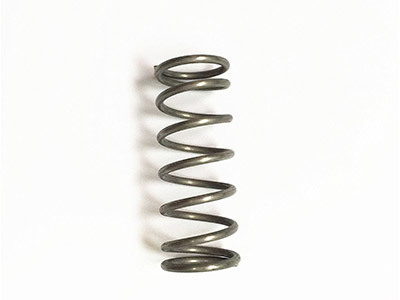
1. Coil Springs
Coil springs are the most prevalent type of quick door spring. They are made of coiled wire that stores mechanical energy when compressed and releases it to pull the door shut. These springs are ideal for lightweight doors and can be adjusted for tension to suit different needs.
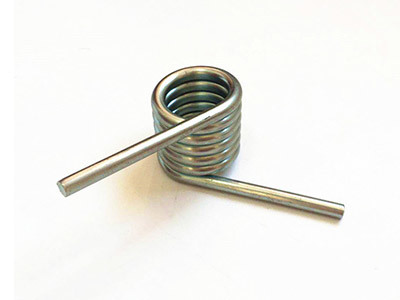
2. Torsion Springs
Torsion springs operate differently than coil springs. They are designed to twist rather than compress, providing a powerful closing force for heavier doors. Torsion springs are commonly used in commercial applications where robust performance is required.
3. Extension Springs
Extension springs work by extending and retracting. They are often used in conjunction with other hardware and are suitable for specific applications where additional tension is needed. These springs provide a reliable closing mechanism for various door types.
4. Pneumatic Springs
Pneumatic springs utilize compressed air to operate. They offer an advanced solution for automatic doors, providing a smooth and controlled motion. Pneumatic springs are often used in high-traffic areas where speed and efficiency are paramount.
Factors to Consider When Choosing a Quick Door Spring
Selecting the right quick door spring for your project involves several critical factors. Here are the key considerations to keep in mind:
1. Door Weight and Size
The weight and size of the door play a significant role in determining the type of spring required. Heavier doors will need more robust springs, while lighter doors can utilize smaller, less powerful springs. Always refer to the manufacturer's specifications for guidance based on door dimensions.
2. Frequency of Use
If your doors will experience heavy usage, such as in commercial environments, it's crucial to select springs designed for high-frequency operation. Springs made from durable materials can withstand repeated use without losing their effectiveness.
3. Environment
Consider the environmental conditions where the door will be installed. If the door is exposed to moisture or temperature fluctuations, materials resistant to rust and wear are essential. Stainless steel or other corrosion-resistant materials are often recommended.
4. Safety Features
Safety is paramount when selecting door hardware. Look for springs equipped with features such as adjustable tension settings, which allow for fine-tuning the closing speed, reducing the risk of accidents.
5. Aesthetic Considerations
The appearance of the spring may also be a consideration, especially in residential or design-focused projects. Choose springs that blend seamlessly with the overall aesthetic of the door and surrounding architecture.
Installation Process for Quick Door Springs
Proper installation is crucial for ensuring the longevity and functionality of quick door springs. Follow these general steps for installation, keeping in mind that specific instructions may vary according to the manufacturer:
1. Gather Required Tools
Before starting the installation, gather all necessary tools, including a screwdriver, drill, measuring tape, and safety gear such as gloves and goggles.
2. Prepare the Door and Frame
Ensure that the door and frame are in good condition. Clean any debris and make necessary repairs before proceeding with the installation.
3. Measure and Mark Installation Points
Use a measuring tape to determine the exact location for the spring installation. Mark the points clearly to ensure accurate placement.
4. Install the Spring
Follow the manufacturer's instructions to attach the spring to the designated points. Ensure that it is securely fastened and properly aligned with the door mechanism.
5. Test the Door Functionality
After installation, open and close the door several times to test the functionality of the spring. Adjust the tension if necessary to achieve the desired closing speed.
Maintenance and Care for Quick Door Springs
Maintaining your quick door spring is essential to ensure long-lasting performance. Here are some tips for effective maintenance:
1. Regular Inspections
Inspect the springs periodically for signs of wear or damage. Look for rust, corrosion, or any unusual sounds during operation.
2. Lubrication
Applying a suitable lubricant to the spring mechanism can reduce friction and wear. Use a silicone-based lubricant for best results, and avoid over-lubricating, as this can attract dust and dirt.
3. Clean the Area
Keep the area around the door clean and free of debris. Dirt and grime can interfere with the spring's operation, leading to decreased performance.
4. Professional Servicing
For complex installations or if issues persist, consider contacting a professional to service the door and spring mechanism. They can provide expert advice and ensure everything functions correctly.
Top Brands and Manufacturers of Quick Door Springs
Choosing quality products from reputable manufacturers is crucial for the success of your project. Here are some top brands recognized for their high-quality quick door springs:
1. DORMA
DORMA is a well-established brand known for its innovative door hardware solutions, including quick door springs. Their products are designed for durability and reliability in high-traffic areas.
2. Allegion
Allegion offers a wide range of door hardware, including quick door springs that emphasize security and efficiency. Their springs are suitable for various applications, from residential to commercial.
3. Stanley
Stanley is synonymous with quality and performance. Their quick door springs are engineered for longevity, making them a preferred choice for many contractors and builders.
4. LCN
LCN specializes in automatic door control solutions, including quick door springs that provide smooth operation and enhanced safety features.
5. emTek
EmTek offers a variety of decorative and functional door hardware options, including quick door springs that blend aesthetics with performance. They emphasize customization and design.
Frequently Asked Questions
1. What is a quick door spring?
A quick door spring is a mechanical component designed to automatically close a door after it has been opened. It ensures smooth operation and enhances safety.
2. How do I know which quick door spring to choose?
Consider factors such as the weight and size of the door, frequency of use, environmental conditions, and safety features when selecting a quick door spring.
3. Can I install a quick door spring myself?
Yes, installation can be done as a DIY project if you have the correct tools and follow the manufacturer's instructions. However, professional installation is recommended for complex systems.
4. How often should I maintain my quick door spring?
Regular inspections should be conducted every few months, with lubrication applied as needed. If you notice any issues, address them promptly.
5. What are the benefits of using a quick door spring?
Quick door springs enhance door functionality, improve safety, maintain climate control, and reduce wear on door hardware, making them a valuable addition to any door system.
Conclusion
Choosing the right quick door spring for your project is a crucial decision that can affect the overall performance and longevity of your doors. By understanding the different types of springs available, considering essential factors such as door weight, usage frequency, and environmental conditions, and recognizing the importance of proper installation and maintenance, you can ensure a successful outcome for your project. With the right quick door spring, you will not only enhance usability but also contribute to the safety and efficiency of your space. Explore reputable brands, keep informed about the latest trends, and make a choice that aligns with your needs for optimal results.
Related News
Contact Us
E-mail:
WhatsAPP:
Address:
Wen 'an Industrial New Area (small Farm), Langfang, Hebei, China