

Understanding Classy Compression Springs: A Guide to Their Design and Applications
Release Time:
2025-09-13
Compression springs are widely recognized for their role in storing mechanical energy and providing resistance against compressive forces. A "classy compression spring" refers to those springs that not only fulfill functional requirements but also exhibit high craftsmanship and aesthetic appeal. This unique combination of quality and design is essential, especially in applications where both perfo

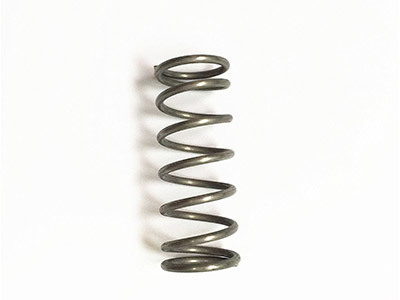
Compression springs are widely recognized for their role in storing mechanical energy and providing resistance against compressive forces. A "classy compression spring" refers to those springs that not only fulfill functional requirements but also exhibit high craftsmanship and aesthetic appeal. This unique combination of quality and design is essential, especially in applications where both performance and appearance matter.
The design of classy compression springs typically involves using high-quality materials such as stainless steel or specialized alloys. These materials contribute to the spring’s durability, fatigue resistance, and overall performance. The manufacturing process includes precise coiling techniques to ensure uniform tension and optimal performance under load. Advanced technologies like computer-aided design (CAD) and finite element analysis (FEA) are often employed to enhance the accuracy and efficiency of spring design. This precision ensures that the springs can operate effectively in various conditions without sacrificing their integrity.
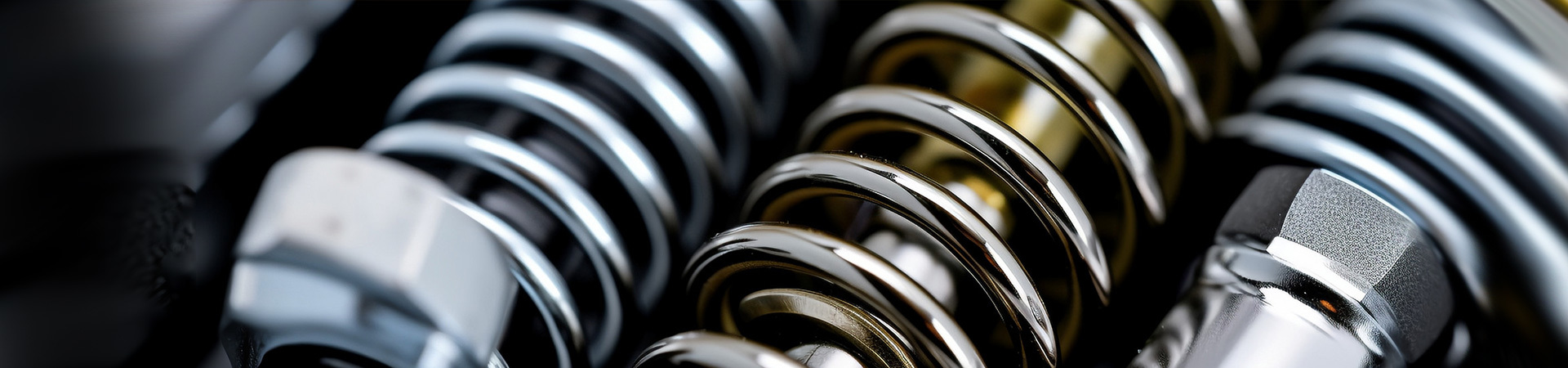
In terms of applications, classy compression springs are used in a wide range of industries, from automotive and aerospace to consumer electronics and medical devices. Their ability to withstand repeated compression makes them ideal for use in mechanisms such as shock absorbers, valve actuators, and even in simple mechanical switches. The aesthetic aspect of these springs can be particularly important in industries where the spring may be visible, thus requiring a finish that is not only functional but also visually pleasing.
Another significant consideration in the utilization of classy compression springs is their customization. Engineers can tailor the dimensions, wire diameter, and coil configuration to meet specific performance criteria. This customization can be critical in high-performance applications where standard components may not suffice. Additionally, the design can incorporate features that facilitate assembly and integration into complex systems, further enhancing their utility.
Finally, maintaining the integrity of compression springs requires understanding their operational limits and the conditions in which they are used. Factors such as the environment, load cycles, and temperature fluctuations can significantly affect their performance and longevity. Regular inspections and adherence to best practices during installation and operation can help ensure that these springs continue to operate effectively over time.
In summary, classy compression springs stand out not only for their strength and functionality but also for their high-quality design and aesthetic appeal. Their diverse applications across various industries underscore their importance in modern mechanical systems, making them a vital component in engineering and manufacturing processes. Understanding the nuances of these springs can significantly enhance their application and performance in any project.
The design of classy compression springs typically involves using high-quality materials such as stainless steel or specialized alloys. These materials contribute to the spring’s durability, fatigue resistance, and overall performance. The manufacturing process includes precise coiling techniques to ensure uniform tension and optimal performance under load. Advanced technologies like computer-aided design (CAD) and finite element analysis (FEA) are often employed to enhance the accuracy and efficiency of spring design. This precision ensures that the springs can operate effectively in various conditions without sacrificing their integrity.
In terms of applications, classy compression springs are used in a wide range of industries, from automotive and aerospace to consumer electronics and medical devices. Their ability to withstand repeated compression makes them ideal for use in mechanisms such as shock absorbers, valve actuators, and even in simple mechanical switches. The aesthetic aspect of these springs can be particularly important in industries where the spring may be visible, thus requiring a finish that is not only functional but also visually pleasing.
Another significant consideration in the utilization of classy compression springs is their customization. Engineers can tailor the dimensions, wire diameter, and coil configuration to meet specific performance criteria. This customization can be critical in high-performance applications where standard components may not suffice. Additionally, the design can incorporate features that facilitate assembly and integration into complex systems, further enhancing their utility.
Finally, maintaining the integrity of compression springs requires understanding their operational limits and the conditions in which they are used. Factors such as the environment, load cycles, and temperature fluctuations can significantly affect their performance and longevity. Regular inspections and adherence to best practices during installation and operation can help ensure that these springs continue to operate effectively over time.
In summary, classy compression springs stand out not only for their strength and functionality but also for their high-quality design and aesthetic appeal. Their diverse applications across various industries underscore their importance in modern mechanical systems, making them a vital component in engineering and manufacturing processes. Understanding the nuances of these springs can significantly enhance their application and performance in any project.
Related News
Contact Us
E-mail:
WhatsAPP:
Address:
Wen 'an Industrial New Area (small Farm), Langfang, Hebei, China