

Understanding Industrial Door Springs: Essential Insights for Professionals
Release Time:
2025-09-19
Industrial door springs play a crucial role in the functionality and safety of various types of industrial doors. These components are designed to counterbalance the weight of the door, allowing for smooth opening and closing motions. Understanding the significance, types, and maintenance of industrial door springs is essential for professionals in the building and construction materials industry,

Industrial door springs play a crucial role in the functionality and safety of various types of industrial doors. These components are designed to counterbalance the weight of the door, allowing for smooth opening and closing motions. Understanding the significance, types, and maintenance of industrial door springs is essential for professionals in the building and construction materials industry, especially those involved in door hardware and accessories.
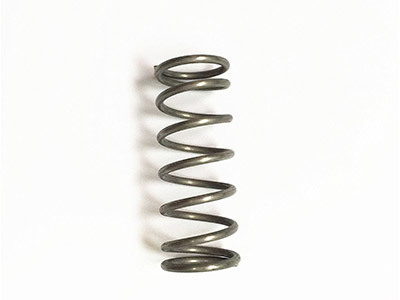
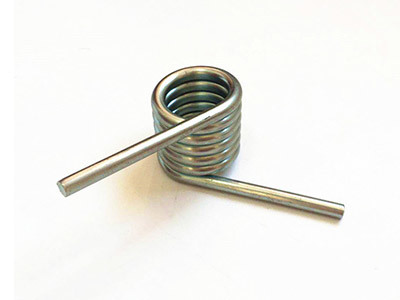
There are primarily two types of industrial door springs: torsion springs and extension springs. Torsion springs are mounted above the door and work by twisting to create torque. This makes them suitable for heavy doors, such as roll-up or overhead doors commonly found in warehouses and manufacturing facilities. On the other hand, extension springs are located on either side of the door and stretch to provide lifting force. They are often employed in lighter applications, such as residential garage doors.
When selecting industrial door springs, professionals must consider several factors, including the weight and size of the door, the frequency of use, and the environment in which the door operates. Choosing the right spring type not only ensures functionality but also contributes to the longevity of the door system. Proper application can reduce wear and tear, minimizing the need for frequent replacements and repairs.
Maintenance of industrial door springs is paramount for safety and efficiency. Regular inspections should be conducted to identify signs of wear, such as rust, cracks, or deformation. Lubrication of springs and associated hardware can help reduce friction, enhancing performance and extending the lifespan of the components. Additionally, understanding the proper tension settings for the springs is critical; improper tension can lead to door malfunctions, posing safety risks in the workplace.
It is also essential to be aware of the potential hazards associated with industrial door springs. These components are under significant tension and can cause injury if not handled correctly. Professionals should be trained in safe handling practices, including proper installation techniques and the use of protective gear.
In conclusion, industrial door springs are vital elements in the operation of various industrial doors, influencing both efficiency and safety. By understanding the different types, appropriate selection, and maintenance practices, professionals can ensure optimal performance and safety in their applications. Investing time in the knowledge of industrial door springs is a proactive step toward achieving enhanced operational excellence in the building and construction materials sector.
There are primarily two types of industrial door springs: torsion springs and extension springs. Torsion springs are mounted above the door and work by twisting to create torque. This makes them suitable for heavy doors, such as roll-up or overhead doors commonly found in warehouses and manufacturing facilities. On the other hand, extension springs are located on either side of the door and stretch to provide lifting force. They are often employed in lighter applications, such as residential garage doors.
When selecting industrial door springs, professionals must consider several factors, including the weight and size of the door, the frequency of use, and the environment in which the door operates. Choosing the right spring type not only ensures functionality but also contributes to the longevity of the door system. Proper application can reduce wear and tear, minimizing the need for frequent replacements and repairs.
Maintenance of industrial door springs is paramount for safety and efficiency. Regular inspections should be conducted to identify signs of wear, such as rust, cracks, or deformation. Lubrication of springs and associated hardware can help reduce friction, enhancing performance and extending the lifespan of the components. Additionally, understanding the proper tension settings for the springs is critical; improper tension can lead to door malfunctions, posing safety risks in the workplace.
It is also essential to be aware of the potential hazards associated with industrial door springs. These components are under significant tension and can cause injury if not handled correctly. Professionals should be trained in safe handling practices, including proper installation techniques and the use of protective gear.
In conclusion, industrial door springs are vital elements in the operation of various industrial doors, influencing both efficiency and safety. By understanding the different types, appropriate selection, and maintenance practices, professionals can ensure optimal performance and safety in their applications. Investing time in the knowledge of industrial door springs is a proactive step toward achieving enhanced operational excellence in the building and construction materials sector.
Related News
Contact Us
E-mail:
WhatsAPP:
Address:
Wen 'an Industrial New Area (small Farm), Langfang, Hebei, China