

Why Advanced Compression Springs Are Essential for Mechanical Design
Release Time:
2025-08-29
Why Advanced Compression Springs Are Essential for Mechanical Design Introduction to Compression Springs Compression springs are vital components in a wide array of mechanical systems. These springs are designed to resist compressive forces and return to their original shape once the force is removed. In mechanical design, **advanced compression springs** play a critical role in ensuring efficienc

Why Advanced Compression Springs Are Essential for Mechanical Design
Introduction to Compression Springs
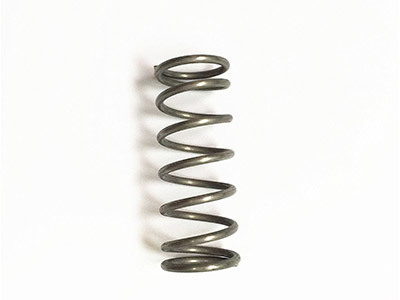
Compression springs are vital components in a wide array of mechanical systems. These springs are designed to resist compressive forces and return to their original shape once the force is removed. In mechanical design, **advanced compression springs** play a critical role in ensuring efficiency, reliability, and durability. This article will delve into the various aspects of compression springs, their manufacturing processes, applications, and the significant impact they have on mechanical design.
The Manufacturing Process of Compression Springs
Material Selection
The first step in the production of advanced compression springs is selecting the right materials. Common materials include high-carbon steel, stainless steel, and various alloys. The choice of material is crucial, as it affects the spring's strength, flexibility, and resistance to environmental factors like corrosion and fatigue.
Spring Design and Engineering
The design of compression springs is a fundamental aspect that requires meticulous engineering. Factors such as wire diameter, coil diameter, total number of coils, and the spring’s overall length contribute to the performance characteristics. **Finite element analysis** (FEA) is often employed to simulate the spring’s behavior under load, ensuring optimal design before manufacturing begins.
Coiling Process
Once the design is finalized, the coiling process begins. This involves winding the selected wire around a mandrel to create the helical shape of the spring. Precision is key during this phase, as the quality of the coiling directly impacts the spring’s performance. **CNC machines** are frequently used to ensure high accuracy and repeatability in the coiling process.
Heat Treatment
After coiling, compression springs undergo heat treatment to enhance their mechanical properties. This process relieves any residual stresses and improves hardness, strength, and overall performance. Proper heat treatment is essential to achieving the desired characteristics, particularly for springs subjected to high loads or demanding environments.
Finishing Processes
Finishing processes such as grinding, shot peening, and surface coating are applied to improve the spring's functionality and longevity. These processes can enhance fatigue resistance and reduce friction, ensuring smoother operation within mechanical assemblies.
Applications of Advanced Compression Springs
Automotive Industry
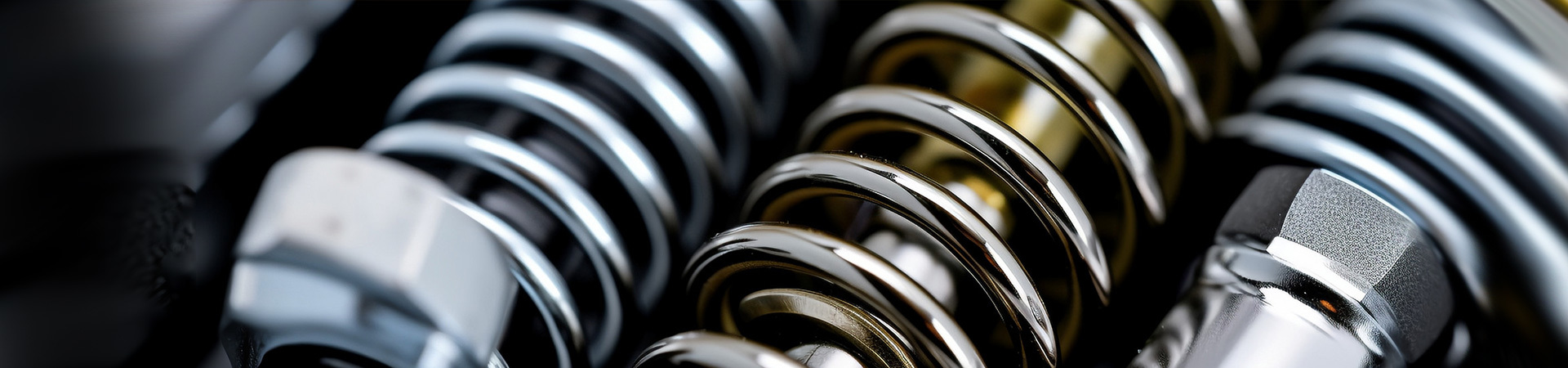
In the automotive sector, compression springs are found in numerous components, from suspension systems to engine valves. They help absorb shocks, maintain alignment, and ensure optimal performance under varying conditions. Advanced designs, such as variable pitch springs, are increasingly used to optimize space and weight.
Electronics and Appliances
Compression springs are integral to various electronic devices and household appliances. They enable mechanisms such as buttons, latches, and dampers, providing the necessary force to ensure smooth operation. Innovations in spring design are leading to more compact and efficient solutions for modern electronics.
Medical Devices
In the medical field, compression springs are utilized in devices like surgical instruments, diagnostic equipment, and patient handling systems. Their reliability and ability to withstand sterilization processes make them essential for ensuring safety and effectiveness in life-saving applications.
Aerospace Engineering
The aerospace industry demands components that can withstand extreme conditions. Advanced compression springs are used in landing gears, control systems, and various other applications where performance and reliability are non-negotiable. Their lightweight yet strong properties are particularly beneficial in aerospace design.
Advantages of Using Advanced Compression Springs in Mechanical Design
Enhanced Performance
Utilizing advanced compression springs improves the overall performance of mechanical systems. They provide consistent force, which is crucial for maintaining functionality in various applications. This consistency leads to improved operational reliability and longevity of the components.
Space Efficiency
Modern compression springs can be designed to occupy less space while delivering high performance. This space efficiency allows for more compact mechanical designs, which is increasingly important in contemporary engineering, where reducing size and weight is a priority.
Cost-Effectiveness
While high-quality compression springs may come at a higher initial cost, their durability and performance can lead to significant savings in maintenance and replacement over time. Investing in advanced springs can reduce the total cost of ownership for mechanical systems.
The Role of Technology in Spring Design
Computer-Aided Design (CAD)
With advancements in technology, CAD software has revolutionized the design process for compression springs. Engineers can create precise models and simulations, enabling them to analyze performance under various conditions before manufacturing. This capability leads to better-informed design decisions and fewer costly errors.
3D Printing and Prototyping
3D printing technology is increasingly being used to create prototypes of advanced compression springs. This allows for rapid iteration and testing of spring designs, significantly shortening the development cycle. It also enables the exploration of complex geometries that may be challenging to produce using traditional methods.
Smart Springs
The introduction of smart material technology into compression springs is paving the way for innovative applications. These “smart springs” can adjust their properties in response to environmental changes, providing adaptive solutions for mechanical design challenges. This integration of technology is expected to drive the next generation of advanced compression springs.
Challenges in Compression Spring Design
Material Limitations
While there are numerous materials available for spring manufacturing, each has its limitations. Factors such as temperature, corrosion resistance, and fatigue life must be carefully considered during the design process. Engineers must balance performance requirements with material constraints to achieve optimal results.
Load Variability
Compression springs often face variable load conditions in real-world applications. Designing springs that can perform reliably under fluctuating loads is a complex challenge. Engineers must employ advanced analytical techniques to predict how springs will behave under different scenarios.
Quality Control in Production
Ensuring quality control during the manufacturing process is crucial for the performance of compression springs. Any defects or inconsistencies can lead to compromised performance and reliability. Implementing rigorous testing and inspection protocols is essential to maintain high standards in production.
Future Trends in Compression Spring Technology
Increased Customization
As industries continue to evolve, the demand for customized compression springs is on the rise. Manufacturers are increasingly focused on creating tailored solutions that meet specific performance requirements. This trend is expected to drive innovations in both design and manufacturing processes.
Sustainability Initiatives
Environmental concerns are pushing manufacturers to adopt sustainable practices in the production of compression springs. This includes using eco-friendly materials and processes, as well as optimizing designs to reduce waste and energy consumption. Sustainability is becoming a key consideration in mechanical design.
Integration with IoT
The Internet of Things (IoT) is beginning to influence mechanical design, including the use of compression springs. Integrating sensors and connectivity into spring designs can provide valuable data on performance and usage, enabling proactive maintenance and optimization.
FAQs About Advanced Compression Springs
What is the difference between compression springs and other types of springs?
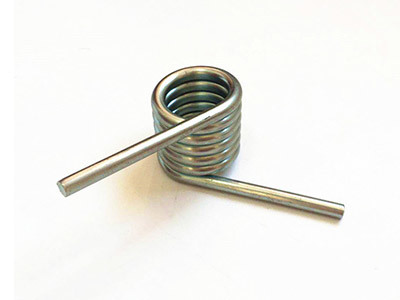
Compression springs are specifically designed to resist compressive forces, while tension springs are designed to work under tension. There are also torsion springs, which operate by twisting. Each type has unique applications and design characteristics.
How do I choose the right compression spring for my application?
Selecting the appropriate compression spring involves considering factors such as load requirements, material properties, environment, and space constraints. Consulting with a spring manufacturer can provide valuable insights into the best options for your needs.
Can compression springs be reused after being compressed?
Yes, compression springs are designed to return to their original shape after being compressed. However, repeated loading beyond their elastic limit can lead to permanent deformation. Proper load management is essential to maintain their integrity.
What is the lifespan of a compression spring?
The lifespan of a compression spring depends on various factors, including material, load conditions, and environmental influences. With proper design and usage, they can last for many cycles, sometimes exceeding thousands of compressions.
Are advanced compression springs more expensive than standard springs?
Typically, advanced compression springs may have a higher upfront cost due to their specialized design and manufacturing processes. However, their enhanced performance and durability can result in lower maintenance costs and longer service life, making them cost-effective in the long run.
Conclusion
Advanced compression springs are indispensable components in mechanical design, offering numerous advantages across various industries. Their unique manufacturing processes, applications, and technological advancements underscore their importance in enhancing performance, efficiency, and reliability. As we continue to innovate and address the challenges of modern engineering, the role of advanced compression springs will only grow more significant, shaping the future of mechanical design and performance.
Related News
Contact Us
E-mail:
WhatsAPP:
Address:
Wen 'an Industrial New Area (small Farm), Langfang, Hebei, China