

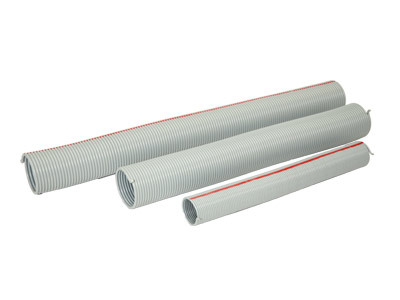

Understanding Discount Compression Springs: Key Insights for Professionals
Release Time:
2025-08-24
Compression springs are essential components used in numerous applications, including automotive, aerospace, and industrial machinery. They are designed to resist compressive forces, returning to their original shape when the load is removed. For professionals in the manufacturing and machining sectors, understanding discount compression springs offers both economic and technical advantages. One o

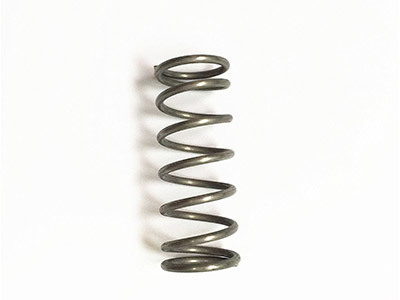
Compression springs are essential components used in numerous applications, including automotive, aerospace, and industrial machinery. They are designed to resist compressive forces, returning to their original shape when the load is removed. For professionals in the manufacturing and machining sectors, understanding discount compression springs offers both economic and technical advantages.
One of the primary benefits of discount compression springs is cost-effectiveness. Manufacturers often look for reliable components that do not compromise quality while remaining budget-friendly. Discount options can provide significant savings, allowing manufacturers to allocate resources to other critical areas of production. However, it is essential to ensure that the springs meet the required specifications and performance criteria. While seeking discounts, professionals should prioritize springs made from high-quality materials and engineered to perform under specified load conditions.
Another important aspect to consider is the material used in the construction of compression springs. Common materials include stainless steel, carbon steel, and alloy steels, each offering unique characteristics that affect durability, corrosion resistance, and performance. For discount compression springs, it is crucial to verify that the materials used are not only cost-effective but also suitable for the intended application. Poor-quality materials might lead to premature failure, negating any savings obtained from discounted prices.
When evaluating discount compression springs, professionals should also pay attention to the spring's specifications, such as wire diameter, coil diameter, and total number of coils. These factors directly influence the spring's load capacity and deflection characteristics. Understanding these specifications allows manufacturers to select the right springs for their specific applications, ensuring optimal performance.
Applications of compression springs are diverse. They are commonly used in devices that require energy storage or force exertion, such as automotive suspensions, electronic devices, and various industrial machinery. Understanding the specific requirements of each application can help in selecting the right discount compression springs that will function effectively within the desired parameters.
Additionally, professionals should consider the manufacturing processes used in producing discount compression springs. Techniques such as cold coiling and hot coiling can affect the spring's mechanical properties. Generally, cold coiling is used for smaller springs requiring precise dimensions, while hot coiling is more suitable for larger springs designed for heavy-duty applications.
In conclusion, while discount compression springs present an opportunity for cost savings in the manufacturing process, it is crucial for professionals to conduct thorough research and analysis. By focusing on quality, material selection, and load specifications, manufacturers can ensure they are making informed decisions that balance cost with performance, ultimately enhancing their operational efficiency.
One of the primary benefits of discount compression springs is cost-effectiveness. Manufacturers often look for reliable components that do not compromise quality while remaining budget-friendly. Discount options can provide significant savings, allowing manufacturers to allocate resources to other critical areas of production. However, it is essential to ensure that the springs meet the required specifications and performance criteria. While seeking discounts, professionals should prioritize springs made from high-quality materials and engineered to perform under specified load conditions.
Another important aspect to consider is the material used in the construction of compression springs. Common materials include stainless steel, carbon steel, and alloy steels, each offering unique characteristics that affect durability, corrosion resistance, and performance. For discount compression springs, it is crucial to verify that the materials used are not only cost-effective but also suitable for the intended application. Poor-quality materials might lead to premature failure, negating any savings obtained from discounted prices.
When evaluating discount compression springs, professionals should also pay attention to the spring's specifications, such as wire diameter, coil diameter, and total number of coils. These factors directly influence the spring's load capacity and deflection characteristics. Understanding these specifications allows manufacturers to select the right springs for their specific applications, ensuring optimal performance.
Applications of compression springs are diverse. They are commonly used in devices that require energy storage or force exertion, such as automotive suspensions, electronic devices, and various industrial machinery. Understanding the specific requirements of each application can help in selecting the right discount compression springs that will function effectively within the desired parameters.
Additionally, professionals should consider the manufacturing processes used in producing discount compression springs. Techniques such as cold coiling and hot coiling can affect the spring's mechanical properties. Generally, cold coiling is used for smaller springs requiring precise dimensions, while hot coiling is more suitable for larger springs designed for heavy-duty applications.
In conclusion, while discount compression springs present an opportunity for cost savings in the manufacturing process, it is crucial for professionals to conduct thorough research and analysis. By focusing on quality, material selection, and load specifications, manufacturers can ensure they are making informed decisions that balance cost with performance, ultimately enhancing their operational efficiency.
Related News
Contact Us
E-mail:
WhatsAPP:
Address:
Wen 'an Industrial New Area (small Farm), Langfang, Hebei, China