

A Beginner's Guide to Understanding Compression Spring Quality: Key Factors to Consider
Release Time:
2025-08-19
A Beginner's Guide to Understanding Compression Spring Quality Table of Contents 1. Introduction to Compression Springs 2. The Importance of Compression Spring Quality 3. Key Factors Affecting Compression Spring Quality 3.1 Material Selection 3.2 Heat Treatment Process 3.3 Design Specifications 4. Testing and Certification Stan

A Beginner's Guide to Understanding Compression Spring Quality
Table of Contents
- 1. Introduction to Compression Springs
- 2. The Importance of Compression Spring Quality
- 3. Key Factors Affecting Compression Spring Quality
- 4. Testing and Certification Standards for Compression Springs
- 5. How to Evaluate Compression Spring Quality
- 6. Applications of Quality Compression Springs
- 7. Common Misconceptions About Compression Spring Quality
- 8. Conclusion
1. Introduction to Compression Springs
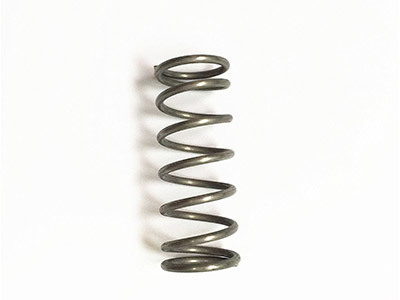
Compression springs are mechanical devices designed to store energy, absorb shock, and maintain a force between contacting surfaces. They are widely used in various applications, from automotive components to electronic devices. Understanding the quality of compression springs is critical for ensuring their reliability and performance. This guide will delve into the essential factors influencing compression spring quality, equipping you with the knowledge necessary to make informed decisions.
2. The Importance of Compression Spring Quality
The quality of compression springs directly impacts their functionality and lifespan. High-quality springs perform better under stress and maintain their shape and strength over time. Poorly manufactured springs can lead to mechanical failures, resulting in costly repairs and potential safety hazards. Therefore, evaluating the quality of compression springs before purchase is vital for any business or individual involved in manufacturing and assembly processes.
3. Key Factors Affecting Compression Spring Quality
Several key factors determine the quality of compression springs. Understanding these elements will help you assess and select the right springs for your applications.
3.1 Material Selection
The material used to manufacture compression springs plays a crucial role in their overall quality. Common materials include:
- **Music Wire**: Known for its high tensile strength and fatigue resistance, music wire is a popular choice for compression springs in various applications.
- **Stainless Steel**: This material is highly resistant to corrosion and oxidation, making it suitable for use in harsh environments.
- **Alloy Steel**: Alloy steels offer enhanced strength and resilience, making them ideal for heavy-duty applications.
Selecting the right material based on your application’s requirements is essential for achieving optimal performance and longevity.
3.2 Heat Treatment Process
Heat treatment is a critical process that enhances the mechanical properties of compression springs. This process involves heating the springs to specific temperatures and then cooling them rapidly to increase their strength and elasticity. Different heat treatment methods, such as quenching and tempering, can significantly affect the spring's performance characteristics. Proper heat treatment ensures that the springs can withstand repeated compressions without losing their original shape.
3.3 Design Specifications
The design specifications of compression springs, including wire diameter, coil diameter, and number of active coils, influence their overall performance.
- **Wire Diameter**: Thicker wires can produce stronger springs but may also increase weight.
- **Coil Diameter**: The coil diameter affects the spring's load capacity and overall compressibility.
- **Number of Active Coils**: More active coils can result in better load distribution and flexibility.
Consulting with engineers and spring manufacturers can help you determine the optimal design for your specific applications.
4. Testing and Certification Standards for Compression Springs
Quality assurance is paramount in the manufacturing of compression springs. Various testing and certification standards ensure that springs meet specific performance criteria. Recognized standards include:
- **ASTM Standards**: The American Society for Testing and Materials (ASTM) establishes guidelines for materials testing that ensure quality and safety.
- **ISO Certification**: International Organization for Standardization (ISO) certification indicates that the manufacturer adheres to international quality management standards.
Conducting rigorous testing, such as fatigue testing and load testing, helps manufacturers ensure that their compression springs meet or exceed industry standards.
5. How to Evaluate Compression Spring Quality
When evaluating compression spring quality, consider the following steps:
1. **Research Manufacturers**: Look for reputable manufacturers with positive reviews and certifications.
2. **Inquire About Materials**: Ask about the materials used in production and their properties.
3. **Examine Design Specifications**: Ensure that the spring’s design aligns with your application requirements.
4. **Request Test Reports**: Obtain documentation of testing and certification to verify quality standards.
5. **Seek Expert Opinions**: Consult with industry experts to validate your choices.
By following these guidelines, you can ensure that you select high-quality compression springs for your projects.
6. Applications of Quality Compression Springs
Quality compression springs find applications in a myriad of industries, including:
- **Automotive Industry**: Used in suspension systems, engine components, and braking systems.
- **Electronics**: Found in devices like keyboards, switches, and remote controls.
- **Medical Devices**: Essential in various medical equipment, ensuring precision and reliability.
- **Industrial Machinery**: Help in the smooth operation of machines, absorbing shocks and maintaining pressure.
Understanding the applications of compression springs can guide you in selecting the right products for your needs.
7. Common Misconceptions About Compression Spring Quality
Several misconceptions about compression springs can lead to poor purchasing decisions:
- **All Springs Are the Same**: This is false; quality varies significantly based on material, manufacturing processes, and design.
- **Cheap Springs Are Just as Good**: While cost-effective options exist, low-quality springs can lead to mechanical failures and increased costs in the long run.
- **Visual Inspection Is Enough**: While visual inspections can highlight some issues, rigorous testing is essential for quality assurance.
Awareness of these misconceptions can help prevent costly mistakes when selecting compression springs.
8. Conclusion
Understanding compression spring quality is vital for ensuring reliable performance in various applications. By considering factors such as material selection, heat treatment processes, and design specifications, you can make informed choices that will enhance your projects' success. Rigorous testing and a clear understanding of common misconceptions will further empower you to select the best compression springs available. Investing time and resources in understanding compression spring quality will ultimately yield significant benefits in performance and durability.
Related News
Contact Us
E-mail:
WhatsAPP:
Address:
Wen 'an Industrial New Area (small Farm), Langfang, Hebei, China