

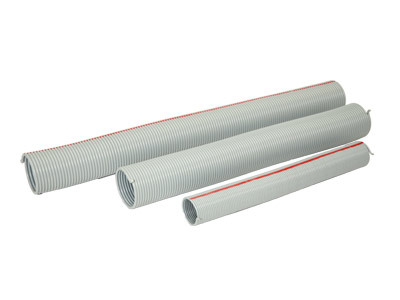

Exploring the Latest Innovations in Compression Springs
Release Time:
2025-08-14
Compression springs are critical components in a wide range of mechanical applications, providing essential support and energy storage to various devices and machinery. As the demand for high-performance materials and designs continues to grow, the newest compression springs are at the forefront of innovation, offering enhanced functionality, durability, and efficiency. One of the most significant

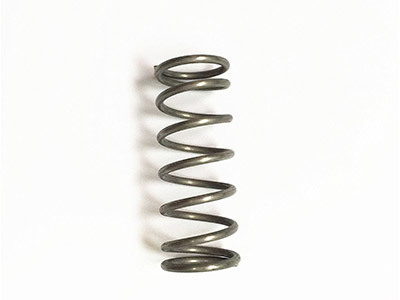
Compression springs are critical components in a wide range of mechanical applications, providing essential support and energy storage to various devices and machinery. As the demand for high-performance materials and designs continues to grow, the newest compression springs are at the forefront of innovation, offering enhanced functionality, durability, and efficiency.
One of the most significant recent developments in compression spring design is the use of advanced materials. Manufacturers are now utilizing high-strength alloys and composite materials that not only improve the overall strength and resilience of the springs but also reduce their weight. This is particularly beneficial in automotive and aerospace applications, where weight savings can lead to improved fuel efficiency and performance. Additionally, these materials can enhance resistance to fatigue and corrosion, extending the lifespan of the springs in challenging environments.
The latest compression springs also exhibit improved design techniques, such as variable pitch and tapered designs, which allow for more efficient energy storage and greater flexibility. By optimizing the coil geometry, manufacturers can create springs that are not only lighter and more compact but also capable of handling varying loads without compromising performance. This adaptability is essential in applications ranging from consumer electronics to heavy machinery, where precision and reliability are paramount.
Another notable trend in the development of compression springs is the incorporation of computer-aided design (CAD) and simulation tools during the manufacturing process. These technologies enable engineers to model and simulate the performance of springs under different conditions, allowing for more precise adjustments and optimizations before production. This results in higher quality springs that meet or exceed the specific requirements of various applications, ensuring that they perform as intended under real-world conditions.
Moreover, advancements in manufacturing techniques, such as additive manufacturing (3D printing), are starting to influence the production of compression springs. This technology allows for the creation of complex geometries and customized designs that were previously impossible with traditional manufacturing methods. As a result, manufacturers can produce springs that are tailored to specific applications, providing unique solutions that enhance performance and efficiency.
In conclusion, the newest compression springs represent a significant evolution in spring technology, driven by advancements in materials, design, manufacturing techniques, and computational tools. As industries continue to seek greater efficiency and performance, these innovations will play a crucial role in shaping the future of mechanical applications. By staying informed about these trends, professionals in the manufacturing sector can ensure they are leveraging the most effective solutions available, ultimately leading to improved product performance and customer satisfaction.
One of the most significant recent developments in compression spring design is the use of advanced materials. Manufacturers are now utilizing high-strength alloys and composite materials that not only improve the overall strength and resilience of the springs but also reduce their weight. This is particularly beneficial in automotive and aerospace applications, where weight savings can lead to improved fuel efficiency and performance. Additionally, these materials can enhance resistance to fatigue and corrosion, extending the lifespan of the springs in challenging environments.
The latest compression springs also exhibit improved design techniques, such as variable pitch and tapered designs, which allow for more efficient energy storage and greater flexibility. By optimizing the coil geometry, manufacturers can create springs that are not only lighter and more compact but also capable of handling varying loads without compromising performance. This adaptability is essential in applications ranging from consumer electronics to heavy machinery, where precision and reliability are paramount.
Another notable trend in the development of compression springs is the incorporation of computer-aided design (CAD) and simulation tools during the manufacturing process. These technologies enable engineers to model and simulate the performance of springs under different conditions, allowing for more precise adjustments and optimizations before production. This results in higher quality springs that meet or exceed the specific requirements of various applications, ensuring that they perform as intended under real-world conditions.
Moreover, advancements in manufacturing techniques, such as additive manufacturing (3D printing), are starting to influence the production of compression springs. This technology allows for the creation of complex geometries and customized designs that were previously impossible with traditional manufacturing methods. As a result, manufacturers can produce springs that are tailored to specific applications, providing unique solutions that enhance performance and efficiency.
In conclusion, the newest compression springs represent a significant evolution in spring technology, driven by advancements in materials, design, manufacturing techniques, and computational tools. As industries continue to seek greater efficiency and performance, these innovations will play a crucial role in shaping the future of mechanical applications. By staying informed about these trends, professionals in the manufacturing sector can ensure they are leveraging the most effective solutions available, ultimately leading to improved product performance and customer satisfaction.
Related News
Contact Us
E-mail:
WhatsAPP:
Address:
Wen 'an Industrial New Area (small Farm), Langfang, Hebei, China