

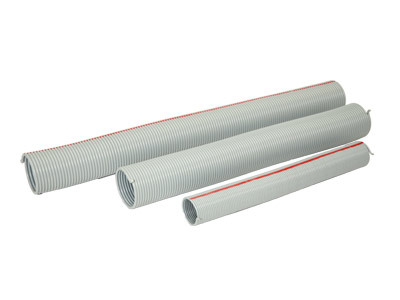

Exploring the Manufacturing Process of Budget-Friendly Compression Springs
Release Time:
2025-08-09
Exploring the Manufacturing Process of Budget-Friendly Compression Springs Table of Contents Introduction to Compression Springs What Are Compression Springs? Importance of Budget-Friendly Compression Springs Materials Used in Manufacturing Compression Springs The Manufacturing Process of Compression Springs Design and Engineering Considerations Testing and Quality C

Exploring the Manufacturing Process of Budget-Friendly Compression Springs
Table of Contents
- Introduction to Compression Springs
- What Are Compression Springs?
- Importance of Budget-Friendly Compression Springs
- Materials Used in Manufacturing Compression Springs
- The Manufacturing Process of Compression Springs
- Design and Engineering Considerations
- Testing and Quality Control Measures
- Applications of Compression Springs
- Conclusion
- Frequently Asked Questions
Introduction to Compression Springs
Compression springs are mechanical devices that store energy when compressed and release it when allowed to expand. They are commonly used in various industries, including automotive, aerospace, and consumer products. As demand for these springs increases, so does the need for manufacturing processes that keep costs low while maintaining quality.
What Are Compression Springs?
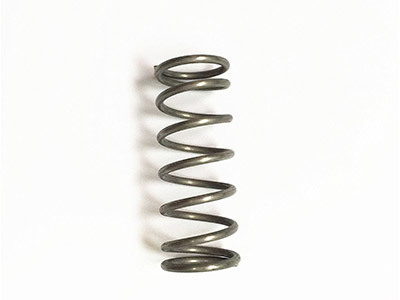
Compression springs are coil springs that offer resistance to compressive forces. Typically made from steel or other metals, these springs are characterized by their helical shape, allowing them to compress and expand under load. Their primary function is to absorb energy and provide force, making them vital in numerous applications.
Types of Compression Springs
Compression springs can be categorized by their design:
- **Cylindrical Compression Springs**: The most common type, these springs have a uniform diameter throughout.
- **Conical Compression Springs**: These springs taper towards one end, allowing for a more compact design.
- **Barrel-Shaped Springs**: Featuring a wider diameter in the middle, barrel-shaped springs provide variable stiffness.
Importance of Budget-Friendly Compression Springs
In an increasingly competitive market, the demand for **budget-friendly compression springs** is on the rise. Businesses seek cost-effective solutions without sacrificing performance or durability. The importance of these springs lies not only in their affordability but also in their capability to meet diverse industrial needs.
Cost-Efficiency and Economic Impact
Manufacturers that can produce affordable compression springs help businesses reduce production costs. This cost-saving benefit enables companies to allocate resources more effectively, driving overall economic growth.
Sustainability Considerations
Budget-friendly options often align with sustainability efforts, as manufacturers look for ways to optimize material usage and reduce waste. Efficient production processes contribute to environmentally friendly practices, benefiting both businesses and the planet.
Materials Used in Manufacturing Compression Springs
The choice of materials in compression spring manufacturing significantly impacts performance and cost. Common materials include:
1. Music Wire
Music wire is a high-carbon steel known for its strength and flexibility. Its elasticity makes it an excellent choice for compression springs that require high performance.
2. Stainless Steel
Stainless steel is preferred for applications requiring corrosion resistance. Though generally more expensive than music wire, it offers longevity and durability.
3. Oil Tempered Wire
Oil-tempered wire undergoes a heat treatment process that enhances its hardness and fatigue resistance, making it ideal for high-stress applications.
4. Alloy Steel
Alloy steel combines several elements to enhance strength and resistance to deformation. This material is often used in springs that need to endure heavy loads.
The Manufacturing Process of Compression Springs
The manufacturing process of compression springs involves several key steps, each playing a crucial role in ensuring the final product meets quality standards.
1. Wire Preparation
The process begins with selecting the appropriate wire material. The wire is then cut to the desired length and prepared for shaping.
2. Coiling
Using specialized machines, the wire is coiled into a helical shape. The coiling process can be automated or performed manually, depending on the production requirements.
3. Heat Treatment
To enhance the spring's mechanical properties, heat treatment is performed. This process strengthens the material and improves its resilience.
4. Surface Treatment
Surface treatment, such as shot peening or coating, protects the spring from corrosion and wear. This step is vital for ensuring the longevity of compression springs.
5. Final Inspection
Once manufactured, each spring undergoes rigorous inspections to ensure they meet specifications and quality standards. Measurements, load-bearing tests, and visual inspections are common.
Design and Engineering Considerations
Designing budget-friendly compression springs requires a balance between cost, functionality, and performance. Several factors must be considered during the design phase:
1. Load Requirements
Understanding the load and force requirements of the application is crucial. Springs must be designed to handle specific loads without failure.
2. Space Constraints
Often, springs need to fit into limited spaces. Designers must ensure that compression springs can effectively operate within the available space.
3. Performance Characteristics
The performance characteristics, such as fatigue life and deflection, need to be analyzed. Engineers must ensure the spring can maintain its performance over time.
4. Cost-Effectiveness
Designers must also consider the overall cost of materials and manufacturing processes. Budget-friendly designs often lead to innovative solutions that reduce material usage without sacrificing quality.
Testing and Quality Control Measures
Quality control is crucial in the spring manufacturing process. Various tests are conducted to ensure the springs meet the required specifications:
1. Load Testing
Compression springs must be tested under load to determine their load-bearing capacity. This test ensures that the springs perform as intended.
2. Fatigue Testing
Fatigue testing simulates real-world conditions to assess the spring's durability over time. Springs are subjected to repeated loading cycles to identify potential failure points.
3. Dimensional Inspection
Dimensional inspections check the physical attributes of the springs, ensuring they meet specified tolerances regarding diameter, length, and coil spacing.
Applications of Compression Springs
Compression springs are versatile components used in a wide range of industries:
1. Automotive Industry
In automotive applications, compression springs are used in suspensions, brake systems, and various engine components.
2. Electronics
Compression springs are found in devices like cell phones and laptops, where they help maintain pressure in mechanical assemblies.
3. Medical Equipment
In medical devices, compression springs ensure the proper functioning of equipment such as syringes, prosthetics, and more.
4. Aerospace
The aerospace industry relies on compression springs for various applications, including landing gear and control systems.
Conclusion
Exploring the manufacturing process of budget-friendly compression springs reveals the intricate relationship between cost, quality, and performance. By utilizing the right materials and efficient manufacturing techniques, businesses can produce high-quality compression springs that meet the demands of various industries. Understanding these processes not only benefits manufacturers but also helps them stay competitive in the market.
Frequently Asked Questions
1. What are the benefits of using budget-friendly compression springs?
Budget-friendly compression springs offer cost savings without compromising on quality, making them ideal for various applications.
2. How can I determine the right material for my compression springs?
The right material depends on the application's requirements, such as load capacity, environmental conditions, and budget.
3. What manufacturing techniques are used for compression springs?
Common techniques include coiling, heat treatment, surface treatment, and rigorous testing for quality assurance.
4. Are compression springs recyclable?
Yes, compression springs made from metals can often be recycled, contributing to sustainable manufacturing practices.
5. How do I ensure the durability of compression springs?
Choosing the right materials, conducting thorough quality control tests, and adhering to design specifications are key to ensuring durability.
Related News
Contact Us
E-mail:
WhatsAPP:
Address:
Wen 'an Industrial New Area (small Farm), Langfang, Hebei, China