

Unlocking the Secrets to the Best Compression Springs for Manufacturing
Release Time:
2025-08-04
When it comes to manufacturing and processing machinery, selecting the best compression spring can be a game-changer for your projects. Compression springs are vital components that absorb energy, maintain force, and contribute to the overall functionality of numerous mechanical systems. To ensure optimal performance, it is essential to understand the key factors that constitute a high-quality com

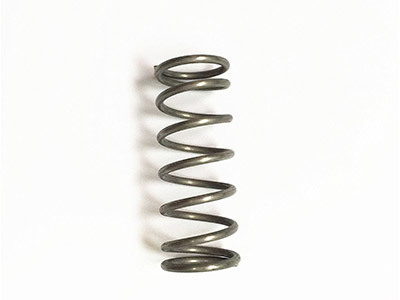
When it comes to manufacturing and processing machinery, selecting the best compression spring can be a game-changer for your projects. Compression springs are vital components that absorb energy, maintain force, and contribute to the overall functionality of numerous mechanical systems. To ensure optimal performance, it is essential to understand the key factors that constitute a high-quality compression spring.
**Material Selection**
The material used for compression springs plays a crucial role in their performance and longevity. Common materials include stainless steel, music wire, and alloy steels. Each material has its unique set of properties such as tensile strength, corrosion resistance, and fatigue limit. For instance, stainless steel springs are ideal for applications that require resistance to corrosion, while music wire is often favored for its high tensile strength and elasticity. It’s essential to choose a material that aligns with the environmental conditions and load requirements of your specific application.
**Spring Design**
The design of a compression spring affects its load capacity, durability, and overall behavior under stress. Factors such as coil diameter, wire diameter, and number of active coils must be carefully considered. A spring with a larger coil diameter may offer more flexibility, while a smaller diameter can provide greater resistance to deformation. Additionally, the pitch of the coils can influence how closely they are spaced, impacting both the spring rate and the maximum load it can handle. Custom designs are often available for specific applications, allowing manufacturers to tailor springs to meet precise specifications.
**Manufacturing Tolerances**
Precision in manufacturing tolerances is another critical element that defines the best compression springs. High-quality springs are often produced with tighter tolerances, ensuring consistent performance and reliability. Manufacturers that utilize advanced CNC machinery and quality control measures can produce springs that meet stringent specifications, which is particularly important in high-stress applications or where safety is a concern.
**Testing and Certification**
Before finalizing your choice of compression springs, it is vital to consider the testing and certification processes used by manufacturers. Rigorous testing for fatigue life, load testing, and dimensional inspections can provide confidence in the spring's performance. Look for manufacturers that adhere to industry standards and quality certifications, as this can be indicative of their commitment to producing reliable components.
In conclusion, identifying the best compression spring for your manufacturing needs requires careful consideration of materials, design, tolerances, and testing procedures. By focusing on these factors, you can ensure that your compression spring will not only meet but exceed performance expectations, enhancing the reliability and efficiency of your mechanical systems.
**Material Selection**
The material used for compression springs plays a crucial role in their performance and longevity. Common materials include stainless steel, music wire, and alloy steels. Each material has its unique set of properties such as tensile strength, corrosion resistance, and fatigue limit. For instance, stainless steel springs are ideal for applications that require resistance to corrosion, while music wire is often favored for its high tensile strength and elasticity. It’s essential to choose a material that aligns with the environmental conditions and load requirements of your specific application.
**Spring Design**
The design of a compression spring affects its load capacity, durability, and overall behavior under stress. Factors such as coil diameter, wire diameter, and number of active coils must be carefully considered. A spring with a larger coil diameter may offer more flexibility, while a smaller diameter can provide greater resistance to deformation. Additionally, the pitch of the coils can influence how closely they are spaced, impacting both the spring rate and the maximum load it can handle. Custom designs are often available for specific applications, allowing manufacturers to tailor springs to meet precise specifications.
**Manufacturing Tolerances**
Precision in manufacturing tolerances is another critical element that defines the best compression springs. High-quality springs are often produced with tighter tolerances, ensuring consistent performance and reliability. Manufacturers that utilize advanced CNC machinery and quality control measures can produce springs that meet stringent specifications, which is particularly important in high-stress applications or where safety is a concern.
**Testing and Certification**
Before finalizing your choice of compression springs, it is vital to consider the testing and certification processes used by manufacturers. Rigorous testing for fatigue life, load testing, and dimensional inspections can provide confidence in the spring's performance. Look for manufacturers that adhere to industry standards and quality certifications, as this can be indicative of their commitment to producing reliable components.
In conclusion, identifying the best compression spring for your manufacturing needs requires careful consideration of materials, design, tolerances, and testing procedures. By focusing on these factors, you can ensure that your compression spring will not only meet but exceed performance expectations, enhancing the reliability and efficiency of your mechanical systems.
Related News
Contact Us
E-mail:
WhatsAPP:
Address:
Wen 'an Industrial New Area (small Farm), Langfang, Hebei, China