


The Essential Role of Compression Springs in Advanced Energy Storage Systems
Release Time:
2025-07-30
The Essential Role of Compression Springs in Advanced Energy Storage Systems Introduction to Compression Springs and Their Significance Compression springs are vital components in various mechanical applications, especially in energy storage systems. These springs store potential energy when compressed and release it when needed, making them indispensable in multiple industries. By understanding t

The Essential Role of Compression Springs in Advanced Energy Storage Systems
Introduction to Compression Springs and Their Significance
Compression springs are vital components in various mechanical applications, especially in energy storage systems. These springs store potential energy when compressed and release it when needed, making them indispensable in multiple industries. By understanding the mechanics and applications of compression springs, we can appreciate their significant role in enhancing energy efficiency and optimizing performance in energy storage systems.
Understanding Compression Springs
What Are Compression Springs?
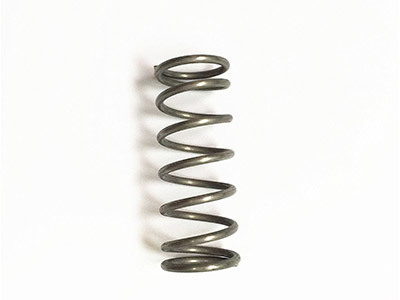
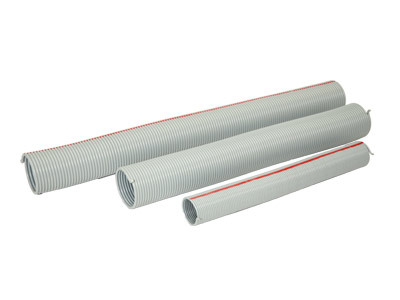
Compression springs are helical springs designed to resist compressive forces. Typically made from high-carbon steel or stainless steel, these springs are engineered to return to their original shape after being compressed. Their design allows them to absorb and store energy, providing a reliable mechanism for various applications.
How Do Compression Springs Work?
The functioning of compression springs is based on Hooke's Law, which states that the force exerted by the spring is directly proportional to its compression. When a load is applied, the spring compresses, storing energy in the process. Once the load is removed, the spring returns to its original length, releasing the stored energy. This mechanism is fundamental in energy storage systems, where efficient energy transfer is critical.
The Role of Compression Springs in Energy Storage Systems
Energy Storage Mechanisms
Energy storage systems can be broadly categorized into mechanical, electrical, thermal, and chemical storage. Compression springs primarily contribute to mechanical energy storage systems, working in tandem with various technologies to enhance performance and efficiency.
Mechanical Energy Storage
Mechanical energy storage involves converting energy into kinetic or potential energy. Compression springs play a crucial role in systems like flywheels and regenerative braking mechanisms. By storing energy in the form of mechanical tension, they facilitate efficient energy transfer and retrieval.
Applications of Compression Springs in Energy Storage Systems
Compression springs find extensive applications in energy storage systems across various industries. Let's examine some of the most notable applications:
1. Flywheel Energy Storage Systems
Flywheel systems utilize compression springs to store energy generated during off-peak periods. By releasing this stored energy during peak demand, these systems help stabilize power grids and improve energy efficiency.
2. Regenerative Braking Systems
In electric and hybrid vehicles, compression springs are integral to regenerative braking systems. They capture kinetic energy during braking and convert it into electrical energy, which can be stored in batteries for later use.
3. Uninterruptible Power Supplies (UPS)
UPS systems employ compression springs as part of their energy storage mechanism. During power outages, these springs can provide temporary power, ensuring that critical systems remain operational.
Advantages of Using Compression Springs in Energy Storage Solutions
Compression springs offer several advantages that make them ideal for energy storage applications:
1. High Energy Density
Compression springs can store a significant amount of energy in a compact design. This high energy density is vital for applications where space is limited, such as in electric vehicles and portable devices.
2. Durability and Longevity
When manufactured from high-quality materials, compression springs exhibit remarkable durability. They can withstand repeated cycles of compression and expansion without losing their mechanical properties, thus ensuring a long service life.
3. Cost-Effectiveness
The production of compression springs is relatively cost-effective due to their simple design and manufacturing processes. This makes them an attractive option for various energy storage applications, allowing manufacturers to minimize costs while maximizing performance.
4. Versatility
Compression springs can be tailored to suit specific applications by adjusting parameters such as material, diameter, and spring rate. This versatility allows engineers to design energy storage systems that meet precise requirements.
Design Considerations for Compression Springs in Energy Storage Systems
Material Selection
Choosing the appropriate material is fundamental to the performance of compression springs in energy storage systems. High-carbon steel, stainless steel, and alloys are common choices, each offering unique properties that can influence durability and energy storage capabilities.
Spring Dimensions and Geometry
The dimensions and geometry of compression springs play a crucial role in their performance. Factors such as wire diameter, coil diameter, and number of active coils must be carefully considered to optimize energy storage and release characteristics.
Fatigue and Lifespan
Compression springs are subjected to cyclical loading, which can lead to fatigue over time. Engineers must account for fatigue limits when designing springs for energy storage applications to ensure that they maintain performance over their intended lifespan.
Future Trends in Compression Spring Technology
As the demand for energy storage systems continues to rise, advancements in compression spring technology are inevitable. Here are some trends to watch:
1. Smart Materials
The integration of smart materials in compression springs can enhance their functionality, enabling them to adapt to changing load conditions or environmental factors in real time.
2. Improved Manufacturing Techniques
Innovative manufacturing processes, such as 3D printing, are paving the way for more complex spring designs. These techniques allow for greater customization and more efficient production methods.
3. Sustainability Initiatives
With a growing emphasis on sustainability, manufacturers are exploring eco-friendly materials and production processes for compression springs. This shift not only benefits the environment but also appeals to environmentally conscious consumers.
FAQs About Compression Springs in Energy Storage Systems
1. What are compression springs used for in energy storage systems?
Compression springs are primarily used to store mechanical energy efficiently, allowing for energy transfer in systems like flywheels, regenerative braking systems, and uninterruptible power supplies.
2. How do compression springs differ from other types of springs?
Compression springs are specifically designed to operate under compression, whereas tension springs work under tensile forces. Each type serves distinct purposes in various applications.
3. What factors influence the performance of compression springs?
Key factors include material selection, spring dimensions, coil geometry, and the number of active coils, all of which impact energy storage capacity and fatigue resistance.
4. How can I ensure the longevity of compression springs in my energy storage system?
To enhance longevity, select high-quality materials, design for fatigue limit considerations, and conduct regular maintenance checks to identify potential issues early.
5. Are there any emerging technologies related to compression springs?
Yes, advancements in smart materials and manufacturing techniques, such as 3D printing, are creating opportunities for enhanced performance and customization in compression springs.
Conclusion
Compression springs play an **essential role** in energy storage systems, contributing to their efficiency, durability, and effectiveness. By understanding their mechanics, applications, and advantages, we can appreciate how these seemingly simple components significantly impact energy management. As technology continues to evolve, so too will the potential of compression springs, paving the way for innovative solutions in energy storage. Investing in high-quality compression springs and staying updated on advancements will ensure that industries can harness the full potential of these vital components.
Related News
Contact Us
E-mail:
WhatsAPP:
Address:
Wen 'an Industrial New Area (small Farm), Langfang, Hebei, China