

The Essential Guide to Durable Compression Springs in Manufacturing
Release Time:
2025-09-03
Compression springs are integral components in a variety of manufacturing processes, particularly in the machinery sector. A durable compression spring is designed to withstand repeated compressive loads while maintaining its structural integrity and performance. These springs are typically made from high-quality materials such as carbon steel, stainless steel, and specialty alloys, which contribu

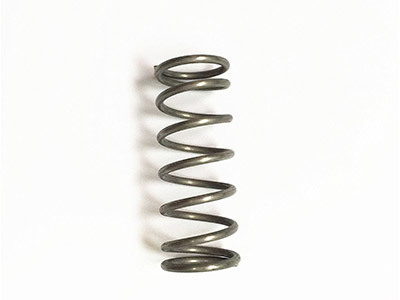
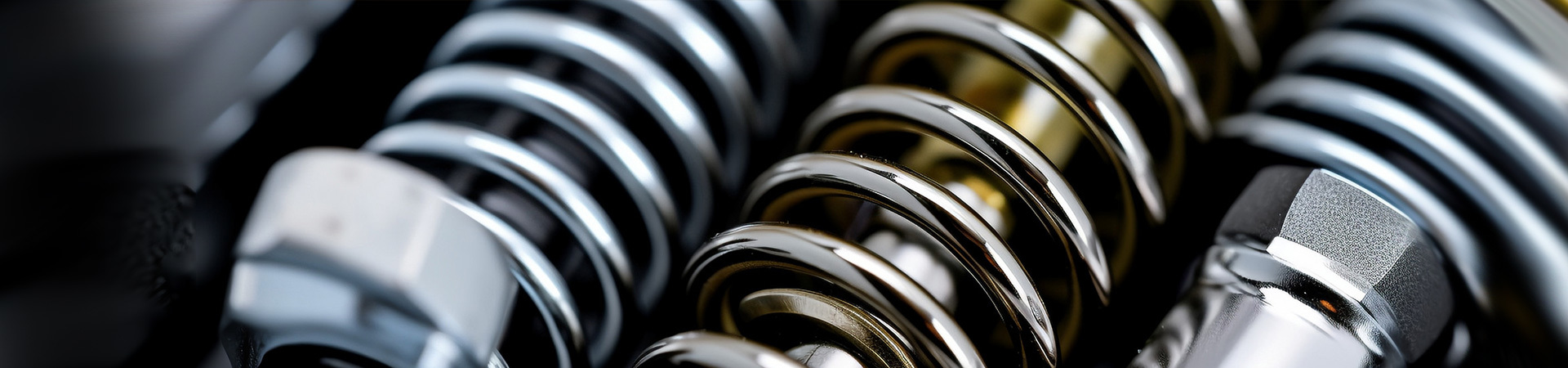
Compression springs are integral components in a variety of manufacturing processes, particularly in the machinery sector. A durable compression spring is designed to withstand repeated compressive loads while maintaining its structural integrity and performance. These springs are typically made from high-quality materials such as carbon steel, stainless steel, and specialty alloys, which contribute to their longevity and reliability.
One of the key characteristics of a durable compression spring is its ability to return to its original shape after being compressed. This resilience is crucial in applications where consistent force is required, such as in automotive assemblies, industrial equipment, and consumer goods. The design and manufacturing processes of these springs involve precise calculations to ensure that the spring can handle specific loads without deforming or failing.
When considering a durable compression spring, it's essential to pay attention to several technical parameters. The spring's diameter, wire thickness, and coil count all play significant roles in determining its load capacity and overall performance. Engineers often utilize standardized formulas to calculate spring rates, which help predict how a spring will behave under different loads. This calculation is particularly important for ensuring that the spring meets the required specifications for its intended application.
In addition to material selection and geometric design, the manufacturing processes employed in producing durable compression springs significantly impact their effectiveness. Techniques such as cold coiling, heat treatment, and surface finishing contribute to the spring's overall strength and fatigue resistance. Implementing these practices can reduce wear and tear, extending the lifespan of the compression springs and enhancing their performance in demanding environments.
Durable compression springs are utilized in a myriad of applications, from automotive shock absorbers to industrial machinery and medical devices. Their versatility makes them crucial for innovations in manufacturing, where reliability and efficiency are paramount. By understanding the intricacies of these components, professionals can make informed decisions about their design and application, ensuring optimal performance in their respective fields.
In conclusion, selecting a durable compression spring requires a comprehensive understanding of its design, materials, and manufacturing processes. By focusing on quality and performance, manufacturers can achieve greater reliability and efficiency in their operations, ultimately leading to enhanced product outcomes and customer satisfaction. Whether you are designing new machinery or optimizing existing systems, the significance of durable compression springs cannot be overstated, making them crucial elements in modern manufacturing practices.
One of the key characteristics of a durable compression spring is its ability to return to its original shape after being compressed. This resilience is crucial in applications where consistent force is required, such as in automotive assemblies, industrial equipment, and consumer goods. The design and manufacturing processes of these springs involve precise calculations to ensure that the spring can handle specific loads without deforming or failing.
When considering a durable compression spring, it's essential to pay attention to several technical parameters. The spring's diameter, wire thickness, and coil count all play significant roles in determining its load capacity and overall performance. Engineers often utilize standardized formulas to calculate spring rates, which help predict how a spring will behave under different loads. This calculation is particularly important for ensuring that the spring meets the required specifications for its intended application.
In addition to material selection and geometric design, the manufacturing processes employed in producing durable compression springs significantly impact their effectiveness. Techniques such as cold coiling, heat treatment, and surface finishing contribute to the spring's overall strength and fatigue resistance. Implementing these practices can reduce wear and tear, extending the lifespan of the compression springs and enhancing their performance in demanding environments.
Durable compression springs are utilized in a myriad of applications, from automotive shock absorbers to industrial machinery and medical devices. Their versatility makes them crucial for innovations in manufacturing, where reliability and efficiency are paramount. By understanding the intricacies of these components, professionals can make informed decisions about their design and application, ensuring optimal performance in their respective fields.
In conclusion, selecting a durable compression spring requires a comprehensive understanding of its design, materials, and manufacturing processes. By focusing on quality and performance, manufacturers can achieve greater reliability and efficiency in their operations, ultimately leading to enhanced product outcomes and customer satisfaction. Whether you are designing new machinery or optimizing existing systems, the significance of durable compression springs cannot be overstated, making them crucial elements in modern manufacturing practices.
Related News
Contact Us
E-mail:
WhatsAPP:
Address:
Wen 'an Industrial New Area (small Farm), Langfang, Hebei, China