

Understanding Discount Compression Springs: Key Insights for Your Manufacturing Needs
Release Time:
2025-07-05
Compression springs are one of the most common types of mechanical springs used across various industries, including manufacturing and engineering. They are designed to store energy and resist compressive forces, making them essential components in countless applications such as automotive systems, machinery, and consumer products. When discussing discount compression springs, it is crucial to und

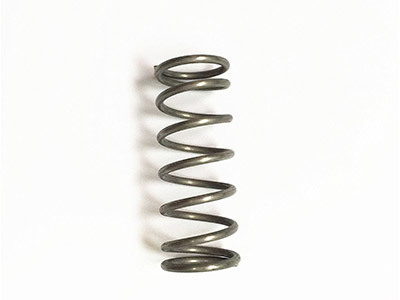
Compression springs are one of the most common types of mechanical springs used across various industries, including manufacturing and engineering. They are designed to store energy and resist compressive forces, making them essential components in countless applications such as automotive systems, machinery, and consumer products. When discussing discount compression springs, it is crucial to understand not only their functionality but also the factors that can influence their pricing and quality.
One of the primary reasons manufacturers seek discount compression springs is to reduce production costs without compromising on quality. The term "discount" often implies a reduction in price, but it is essential to evaluate the spring's specifications, material quality, and manufacturing processes that contribute to its overall performance. For example, compression springs made from high-quality steel, such as music wire or oil-tempered wire, are known for their durability and resilience. Opting for discounted versions of these springs may lead to compromised material integrity, which can affect their longevity and reliability.
Another aspect to consider is the design of compression springs. Spring design involves factors such as wire diameter, coil diameter, and number of active coils. Even when looking for discount options, it is crucial to ensure that the springs meet the necessary load requirements and deflection characteristics for your specific application. Springs that are not designed correctly can lead to mechanical failures, ultimately increasing costs in the long run due to repairs or replacements.
The manufacturing process also plays a significant role in determining the quality of compression springs. Automated machinery and advanced technologies can produce springs with higher precision and consistency, resulting in better performance. While seeking discount options, it's advisable to look for manufacturers that utilize modern techniques and maintain strict quality control measures. This ensures that you receive compression springs that not only come at a discount but also meet the industry standards for safety and efficiency.
Furthermore, when sourcing discount compression springs, consider the supplier's reputation and customer reviews. A reliable supplier will provide insights into the materials used, the manufacturing process, and any warranties or guarantees that may accompany the product. Taking the time to research and compare different suppliers can lead to better long-term relationships and more favorable pricing without sacrificing quality.
In conclusion, while discount compression springs can provide cost savings, it is vital to approach such purchases with a comprehensive understanding of their specifications, materials, and manufacturing processes. By prioritizing quality alongside affordability, manufacturers can ensure that they make informed decisions that contribute to their operational efficiency and overall success.
One of the primary reasons manufacturers seek discount compression springs is to reduce production costs without compromising on quality. The term "discount" often implies a reduction in price, but it is essential to evaluate the spring's specifications, material quality, and manufacturing processes that contribute to its overall performance. For example, compression springs made from high-quality steel, such as music wire or oil-tempered wire, are known for their durability and resilience. Opting for discounted versions of these springs may lead to compromised material integrity, which can affect their longevity and reliability.
Another aspect to consider is the design of compression springs. Spring design involves factors such as wire diameter, coil diameter, and number of active coils. Even when looking for discount options, it is crucial to ensure that the springs meet the necessary load requirements and deflection characteristics for your specific application. Springs that are not designed correctly can lead to mechanical failures, ultimately increasing costs in the long run due to repairs or replacements.
The manufacturing process also plays a significant role in determining the quality of compression springs. Automated machinery and advanced technologies can produce springs with higher precision and consistency, resulting in better performance. While seeking discount options, it's advisable to look for manufacturers that utilize modern techniques and maintain strict quality control measures. This ensures that you receive compression springs that not only come at a discount but also meet the industry standards for safety and efficiency.
Furthermore, when sourcing discount compression springs, consider the supplier's reputation and customer reviews. A reliable supplier will provide insights into the materials used, the manufacturing process, and any warranties or guarantees that may accompany the product. Taking the time to research and compare different suppliers can lead to better long-term relationships and more favorable pricing without sacrificing quality.
In conclusion, while discount compression springs can provide cost savings, it is vital to approach such purchases with a comprehensive understanding of their specifications, materials, and manufacturing processes. By prioritizing quality alongside affordability, manufacturers can ensure that they make informed decisions that contribute to their operational efficiency and overall success.
Related News
Contact Us
E-mail:
WhatsAPP:
Address:
Wen 'an Industrial New Area (small Farm), Langfang, Hebei, China