


Top 5 Applications of Advanced Compression Springs in Industry
Release Time:
2025-07-10
Top 5 Applications of Advanced Compression Springs in Industry Introduction to Compression Springs In the world of manufacturing and engineering, **compression springs** play a pivotal role. These mechanical devices are designed to resist compressive forces, helping to store and release energy efficiently. Their unique construction allows them to return to their original shape after being compre

Top 5 Applications of Advanced Compression Springs in Industry
Introduction to Compression Springs
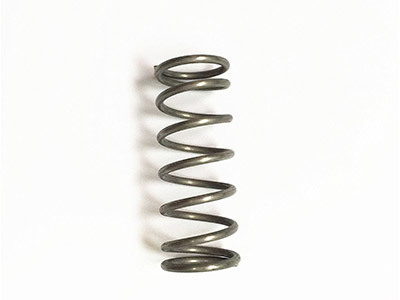
In the world of manufacturing and engineering, **compression springs** play a pivotal role. These mechanical devices are designed to resist compressive forces, helping to store and release energy efficiently. Their unique construction allows them to return to their original shape after being compressed, making them indispensable in various applications. This article will explore the **top five applications** of advanced compression springs, highlighting their significance and contribution to diverse industries.
1. Automotive Industry: Powering Performance
In the **automotive sector**, advanced compression springs are utilized in numerous components, enhancing vehicle performance and safety. From suspension systems to engine valves, these springs contribute significantly to the functionality and reliability of vehicles.
1.1 Suspension Systems
Compression springs are vital in **suspension systems**, where they absorb shocks and maintain vehicle stability. By allowing the chassis to move independently of the wheels, these springs improve ride comfort and handling, ensuring a smoother driving experience.
1.2 Engine Valves
In internal combustion engines, compression springs are used to control **engine valves**. They ensure that valves open and close at the correct timing, optimizing engine performance and fuel efficiency. High-performance engines often rely on advanced springs to handle increased pressure and enhance responsiveness.
2. Aerospace Industry: Engineering Reliability
The **aerospace industry** demands components that can withstand extreme conditions while maintaining reliability. Advanced compression springs are integral to ensuring safety and functionality in various aircraft systems.
2.1 Landing Gear Systems
In landing gear systems, compression springs absorb the energy during landing, helping to reduce impact forces. These springs ensure smooth and controlled transitions during takeoff and landing, contributing to overall flight safety.
2.2 Control Systems
Compression springs are also used in **control systems** within aircraft, such as throttle and rudder controls. These components require precise movements, and the elasticity of compression springs enables pilots to maintain accurate control during flight.
3. Industrial Machinery: Enhancing Efficiency
In the realm of **industrial machinery**, compression springs are critical for improving performance and operational efficiency. They are commonly found in various applications, including conveyor systems and pressing machines.
3.1 Conveyor Systems
In conveyor systems, compression springs can be used to maintain tension in belts and chains. This tension is essential for ensuring smooth operation and preventing slippage, which can lead to costly downtime and maintenance.
3.2 Pressing Machines
Compression springs are employed in pressing machines to provide the necessary force required for material shaping and forming. By utilizing advanced spring technology, manufacturers can achieve precise control over the pressing process, ensuring high-quality outcomes.
4. Electronics: Compact Solutions for Modern Devices
The **electronics industry** has seen a surge in the use of advanced compression springs due to the miniaturization of devices. These springs are crucial for several applications that require compact and reliable components.
4.1 Switches and Relays
In switches and relays, compression springs provide the required force to engage and disengage electrical connections. Their compact design allows for integration into small devices without compromising functionality.
4.2 Circuit Boards
Compression springs are also used in circuit board assemblies to maintain pressure on components, ensuring reliable connections. This application is essential for the performance and longevity of electronic devices.
5. Medical Devices: Precision and Safety
The **medical industry** relies on advanced compression springs for numerous critical applications, where precision and reliability are paramount.
5.1 Surgical Instruments
In surgical instruments, compression springs are used to provide tension and control in gripping mechanisms. This precision is crucial for ensuring that medical professionals can perform delicate procedures safely and effectively.
5.2 Diagnostic Equipment
Compression springs are integral to various diagnostic devices, such as blood pressure monitors and imaging machines. They ensure that these devices operate smoothly, providing accurate readings and results.
Conclusion: The Indispensable Role of Advanced Compression Springs
In summary, advanced compression springs are integral to multiple industries, enhancing performance, safety, and efficiency in numerous applications. From automotive and aerospace to industrial machinery, electronics, and medical devices, these springs play a vital role in the functionality of modern systems. As technology continues to evolve, so too will the applications and capabilities of advanced compression springs, making them an indispensable component in the future of engineering and manufacturing.
Frequently Asked Questions (FAQs)
1. What are compression springs made of?
Compression springs can be made from a variety of materials, including stainless steel, carbon steel, and alloys. The choice of material depends on the application and required properties, such as strength, corrosion resistance, and fatigue life.
2. How do compression springs work?
Compression springs store potential energy when compressed and release it when allowed to expand. They work based on Hooke’s Law, which states that the force exerted by the spring is directly proportional to its compression or elongation.
3. What are the advantages of using advanced compression springs?
Advanced compression springs offer enhanced durability, improved performance in high-stress applications, and greater energy efficiency. They are designed to withstand fatigue and provide consistent performance over time.
4. Can compression springs be customized for specific applications?
Yes, compression springs can be customized in terms of size, shape, and material to meet specific application requirements. Manufacturers often provide tailored solutions to ensure optimal performance for unique needs.
5. What industries utilize advanced compression springs?
Advanced compression springs are used across a broad range of industries, including automotive, aerospace, industrial machinery, electronics, and medical devices. Their versatility makes them suitable for countless applications.
Related News
Contact Us
E-mail:
WhatsAPP:
Address:
Wen 'an Industrial New Area (small Farm), Langfang, Hebei, China