

Why Choosing Quality Compression Springs Matters for Durability
Release Time:
2025-06-30
Why Choosing Quality Compression Springs Matters for Durability Compression springs are integral components in numerous mechanical systems, yet their importance is often overlooked. The quality of these springs directly impacts durability, performance, and safety. In this detailed exploration, we will discuss why choosing high-quality compression springs is crucial for the longevity of your applic

Why Choosing Quality Compression Springs Matters for Durability
Compression springs are integral components in numerous mechanical systems, yet their importance is often overlooked. The quality of these springs directly impacts durability, performance, and safety. In this detailed exploration, we will discuss why choosing high-quality compression springs is crucial for the longevity of your applications.
The Basics of Compression Springs
Compression springs are coiled springs designed to resist compressive forces. They are widely used in various applications, from automotive components to industrial machinery. Understanding their functionality is essential for making informed selection choices.
What Are Compression Springs?
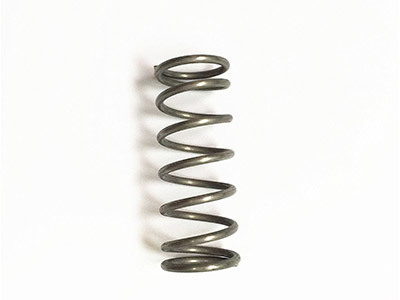
Compression springs are typically made from round wire and are coiled in a helical shape. When a load is applied, these springs compress, storing energy. Upon release, they return to their original shape, providing a restoring force.
Key Characteristics of Compression Springs
1. **Material**: The material used affects the spring's strength, elasticity, and resistance to fatigue.
2. **Coil Diameter**: The diameter impacts the spring's load-bearing capacity and overall dimensions.
3. **Wire Diameter**: Thicker wire provides greater strength but can reduce flexibility.
4. **Spring Rate**: This indicates how much the spring compresses under a given load.
5. **Total Coils**: The number of coils affects the spring's performance and flexibility.
Factors Influencing Durability in Compression Springs
Choosing the right compression spring involves understanding several factors contributing to its durability:
Material Composition
The choice of material is crucial for the performance and longevity of compression springs. Common materials include:
- **High Carbon Steel**: Offers excellent strength and resilience but can corrode if not properly treated.
- **Stainless Steel**: Provides corrosion resistance and is ideal for applications in harsh environments.
- **Alloy Steel**: Balances strength and toughness, suitable for high-stress applications.
- **Plastic Springs**: Lightweight and corrosion-resistant, often used in low-stress scenarios.
Investing in quality materials ensures that the spring can withstand operational stresses without failure.
Manufacturing Processes
The manufacturing process affects the spring's quality and durability. Key methods include:
- **Cold Coiling**: Involves wrapping the wire at room temperature, resulting in improved fatigue resistance.
- **Hot Coiling**: Used for thicker wires, ideal for high-load applications but may lead to reduced durability if not treated properly.
Quality control during manufacturing ensures that the final product meets specific performance standards.
Heat Treatment and Surface Finishing
Heat treatment processes, such as annealing or quenching, enhance the spring's strength and elasticity. Additionally, surface finishes, like plating or coating, protect against corrosion and wear, significantly extending the lifespan of compression springs.
Benefits of Quality Compression Springs
Investing in high-quality compression springs brings numerous advantages:
Enhanced Performance
Quality compression springs offer greater stability and reliability, ensuring consistent performance even under varying loads. This reliability translates into fewer breakdowns and maintenance requirements.
Increased Lifespan
Compression springs that are crafted from superior materials and undergo rigorous manufacturing processes can withstand cyclic loads much longer than their inferior counterparts. This durability leads to lower replacement costs over time.
Improved Safety
High-quality springs reduce the risk of failure, which is vital for safety-critical applications. Ensuring that your compression springs meet rigorous standards is essential in preventing accidents and ensuring operational safety.
Choosing the Right Compression Springs for Your Needs
When selecting compression springs for your applications, consider the following criteria:
Load Requirements
Understanding the load requirements is fundamental. Calculate the maximum load your spring will need to support, as this will influence the material and size of the spring you choose.
Environment and Conditions
Consider the environmental conditions in which the compression spring will operate. Exposure to moisture, chemicals, or extreme temperatures can affect material selection.
Customization Options
Sometimes, off-the-shelf springs won’t meet specific needs. In such cases, look for manufacturers that offer customization options to create springs tailored to your unique specifications.
Common Applications of Compression Springs
Compression springs find applications across various industries, including:
Automotive Industry
In vehicles, compression springs are used in suspension systems, engine components, and various mechanisms, ensuring smooth operation and safety.
Industrial Equipment
Many machines rely on compression springs for various functions, such as controlling movements and providing load support.
Aerospace Applications
In the aerospace sector, high-quality compression springs are essential for the reliability and safety of critical components.
Frequently Asked Questions
1. How can I determine the right compression spring for my application?
To determine the right spring, analyze the load requirements, environmental conditions, and specific dimensions needed for your application.
2. What materials are best for compression springs?
The best materials depend on application demands. Stainless steel offers corrosion resistance, while high carbon steel provides strength.
3. How do I know if a compression spring is of high quality?
Look for springs that undergo rigorous manufacturing processes, quality control, and meet industry standards for performance.
4. Can compression springs be customized?
Yes, many manufacturers offer customization options to meet specific dimensions and load requirements.
5. What maintenance is required for compression springs?
Regular inspection for wear, corrosion, and load performance is essential. Ensure springs are kept in a suitable environment to prevent premature failure.
Conclusion
In summary, the choice of quality compression springs is paramount for ensuring durability and performance across various applications. By understanding the factors that influence their longevity—such as material composition, manufacturing processes, and environmental conditions—you can make informed decisions that enhance the reliability of your mechanical systems. Investing in high-quality compression springs not only ensures safety but also minimizes long-term costs through reduced maintenance and replacement needs. Prioritize quality, and watch your systems thrive!
Related News
Contact Us
E-mail:
WhatsAPP:
Address:
Wen 'an Industrial New Area (small Farm), Langfang, Hebei, China