


Exploring the Latest Innovations in Compression Springs
Release Time:
2025-06-25
Compression springs are a vital component in various mechanical systems, providing essential functionality in applications ranging from automotive to aerospace. The newest compression spring designs reflect advancements in manufacturing techniques, materials science, and engineering, leading to enhanced performance and versatility. One of the most significant recent developments in compression spr

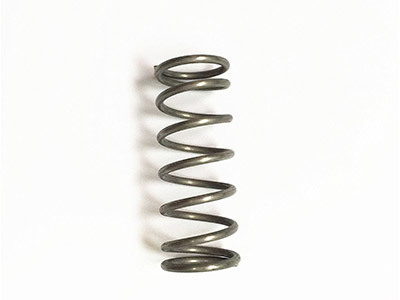
Compression springs are a vital component in various mechanical systems, providing essential functionality in applications ranging from automotive to aerospace. The newest compression spring designs reflect advancements in manufacturing techniques, materials science, and engineering, leading to enhanced performance and versatility.
One of the most significant recent developments in compression springs is the use of advanced materials. High-strength alloys and composites have become increasingly popular, offering improved durability and resistance to fatigue. These materials allow for the creation of compression springs that can withstand higher loads and operate effectively in extreme environments. For instance, the introduction of carbon fiber and stainless steel has enabled manufacturers to produce springs that are both lightweight and robust, making them ideal for applications in industries where performance is critical.
In addition to material advancements, the manufacturing processes for compression springs have also evolved. Innovations such as 3D printing have begun to play a role in the production of compression springs, allowing for complex geometries and customized designs that were previously difficult to achieve with traditional methods. This technology not only reduces waste but also shortens lead times for production, enabling businesses to respond more quickly to market demands.
Another noteworthy trend is the implementation of precision engineering techniques. Modern compression springs are now often designed using computer-aided design (CAD) software, allowing for meticulous planning and simulation before production begins. This approach minimizes errors and optimizes the design for specific applications, ensuring that the springs meet the exact requirements of their intended use.
Moreover, the newest compression spring designs focus on improving efficiency and performance. Manufacturers are now considering factors such as load capacity, deflection characteristics, and space constraints during the design phase. This results in springs that not only perform better but also fit seamlessly into the designated assembly, thereby enhancing the overall functionality of the machinery.
Environmental considerations are also influencing the development of compression springs. Many manufacturers are now focusing on sustainable practices, such as using recyclable materials and reducing energy consumption during production. This shift not only helps in meeting regulatory requirements but also appeals to environmentally conscious consumers.
In conclusion, the newest compression spring technologies are transforming the way these essential components are designed and manufactured. By incorporating advanced materials, innovative production techniques, and a focus on efficiency, manufacturers can create compression springs that not only meet but exceed industry standards. As these technologies continue to evolve, businesses in the manufacturing sector must stay informed to leverage these advancements for competitive advantage.
One of the most significant recent developments in compression springs is the use of advanced materials. High-strength alloys and composites have become increasingly popular, offering improved durability and resistance to fatigue. These materials allow for the creation of compression springs that can withstand higher loads and operate effectively in extreme environments. For instance, the introduction of carbon fiber and stainless steel has enabled manufacturers to produce springs that are both lightweight and robust, making them ideal for applications in industries where performance is critical.
In addition to material advancements, the manufacturing processes for compression springs have also evolved. Innovations such as 3D printing have begun to play a role in the production of compression springs, allowing for complex geometries and customized designs that were previously difficult to achieve with traditional methods. This technology not only reduces waste but also shortens lead times for production, enabling businesses to respond more quickly to market demands.
Another noteworthy trend is the implementation of precision engineering techniques. Modern compression springs are now often designed using computer-aided design (CAD) software, allowing for meticulous planning and simulation before production begins. This approach minimizes errors and optimizes the design for specific applications, ensuring that the springs meet the exact requirements of their intended use.
Moreover, the newest compression spring designs focus on improving efficiency and performance. Manufacturers are now considering factors such as load capacity, deflection characteristics, and space constraints during the design phase. This results in springs that not only perform better but also fit seamlessly into the designated assembly, thereby enhancing the overall functionality of the machinery.
Environmental considerations are also influencing the development of compression springs. Many manufacturers are now focusing on sustainable practices, such as using recyclable materials and reducing energy consumption during production. This shift not only helps in meeting regulatory requirements but also appeals to environmentally conscious consumers.
In conclusion, the newest compression spring technologies are transforming the way these essential components are designed and manufactured. By incorporating advanced materials, innovative production techniques, and a focus on efficiency, manufacturers can create compression springs that not only meet but exceed industry standards. As these technologies continue to evolve, businesses in the manufacturing sector must stay informed to leverage these advancements for competitive advantage.
Related News
Contact Us
E-mail:
WhatsAPP:
Address:
Wen 'an Industrial New Area (small Farm), Langfang, Hebei, China