

Understanding Durable Compression Springs: Key Insights for Professionals
Release Time:
2025-05-26
Durable compression springs play a pivotal role in various manufacturing and mechanical applications. As a vital component in numerous devices and machinery, they are designed to provide resistance to compressive forces while maintaining structural integrity over time. Understanding the properties and advantages of these springs can significantly impact the efficiency and reliability of your produ

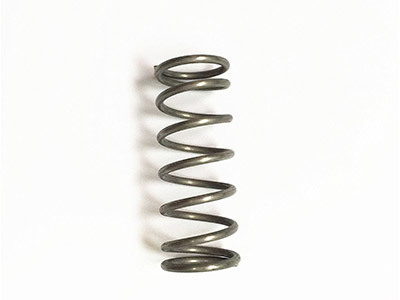
Durable compression springs play a pivotal role in various manufacturing and mechanical applications. As a vital component in numerous devices and machinery, they are designed to provide resistance to compressive forces while maintaining structural integrity over time. Understanding the properties and advantages of these springs can significantly impact the efficiency and reliability of your products.
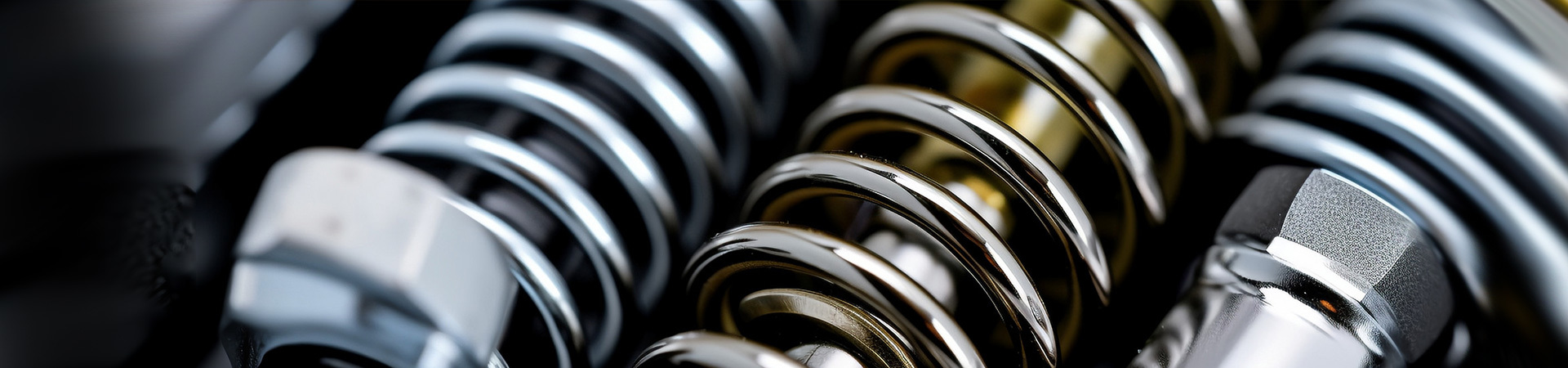
The primary characteristic of durable compression springs is their ability to withstand repeated compression without losing their original shape or functionality. This resilience is typically achieved through careful material selection and precise engineering. High-carbon steel, stainless steel, and other alloys are often used to enhance durability, ensuring that the springs can endure harsh operating conditions, including temperature fluctuations, corrosion, and mechanical wear.
One of the critical factors contributing to the durability of compression springs is their design. A well-engineered spring will incorporate the correct dimensions, coil diameter, and wire thickness to provide optimal performance. The spring's geometry is vital in determining its load-bearing capacity, making it essential to calculate these specifications accurately during the design phase.
In addition to material and design, surface treatment plays a significant role in enhancing the durability of compression springs. Processes such as shot peening, surface hardening, and coating can improve a spring's fatigue resistance and overall lifespan. Implementing these treatments can reduce the risk of failure under extreme conditions, making them invaluable in high-stress applications.
Compression springs are widely used in automotive, aerospace, consumer electronics, and industrial machinery sectors. Their applications range from simple mechanisms like pens and door hinges to complex systems in machinery that require precise force control. Understanding the specific requirements of your application will help you select the most suitable durable compression spring, optimizing performance and longevity.
When sourcing durable compression springs, it is crucial to consider factors such as load requirements, installation space, and operational environment. Collaborating with knowledgeable suppliers and engineers can provide you with tailored solutions that meet your specific needs.
In conclusion, durable compression springs are indispensable components in many industries, offering reliability and performance when designed and manufactured correctly. By focusing on material selection, precise engineering, and appropriate surface treatments, you can ensure that your springs not only meet operational demands but also contribute to the overall success of your manufacturing processes. Understanding these elements will empower you to make informed decisions when integrating compression springs into your products.
The primary characteristic of durable compression springs is their ability to withstand repeated compression without losing their original shape or functionality. This resilience is typically achieved through careful material selection and precise engineering. High-carbon steel, stainless steel, and other alloys are often used to enhance durability, ensuring that the springs can endure harsh operating conditions, including temperature fluctuations, corrosion, and mechanical wear.
One of the critical factors contributing to the durability of compression springs is their design. A well-engineered spring will incorporate the correct dimensions, coil diameter, and wire thickness to provide optimal performance. The spring's geometry is vital in determining its load-bearing capacity, making it essential to calculate these specifications accurately during the design phase.
In addition to material and design, surface treatment plays a significant role in enhancing the durability of compression springs. Processes such as shot peening, surface hardening, and coating can improve a spring's fatigue resistance and overall lifespan. Implementing these treatments can reduce the risk of failure under extreme conditions, making them invaluable in high-stress applications.
Compression springs are widely used in automotive, aerospace, consumer electronics, and industrial machinery sectors. Their applications range from simple mechanisms like pens and door hinges to complex systems in machinery that require precise force control. Understanding the specific requirements of your application will help you select the most suitable durable compression spring, optimizing performance and longevity.
When sourcing durable compression springs, it is crucial to consider factors such as load requirements, installation space, and operational environment. Collaborating with knowledgeable suppliers and engineers can provide you with tailored solutions that meet your specific needs.
In conclusion, durable compression springs are indispensable components in many industries, offering reliability and performance when designed and manufactured correctly. By focusing on material selection, precise engineering, and appropriate surface treatments, you can ensure that your springs not only meet operational demands but also contribute to the overall success of your manufacturing processes. Understanding these elements will empower you to make informed decisions when integrating compression springs into your products.
Related News
Contact Us
E-mail:
WhatsAPP:
Address:
Wen 'an Industrial New Area (small Farm), Langfang, Hebei, China