

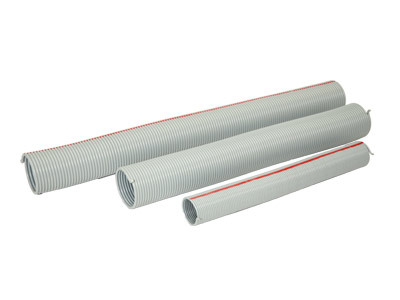

Advanced Compression Springs: A Comprehensive Guide for Manufacturers
Release Time:
2025-05-21
Advanced Compression Springs: A Comprehensive Guide for Manufacturers Table of Contents 1. Introduction to Compression Springs 2. Types of Compression Springs 3. Materials Used in Compression Spring Manufacturing 4. Advanced Manufacturing Techniques 5. Applications of Compression Springs 6. Testing and Quality Control 7. Best Practices for Manufacturers 8. Future T

Advanced Compression Springs: A Comprehensive Guide for Manufacturers
Table of Contents
- 1. Introduction to Compression Springs
- 2. Types of Compression Springs
- 3. Materials Used in Compression Spring Manufacturing
- 4. Advanced Manufacturing Techniques
- 5. Applications of Compression Springs
- 6. Testing and Quality Control
- 7. Best Practices for Manufacturers
- 8. Future Trends in Compression Spring Technology
- 9. Frequently Asked Questions
- 10. Conclusion
1. Introduction to Compression Springs
Compression springs are vital components in many mechanical assemblies, providing resistance against compressive forces. They are designed to store energy and absorb shock, making them ideal for various applications ranging from automotive to aerospace. As manufacturers, understanding the fundamentals of compression springs can significantly enhance the design and functionality of your products.
**Compression springs** work by pushing back against the force applied to them. This unique characteristic allows them to return to their original shape after the compressive load has been removed. The design, materials, and manufacturing processes involved in creating high-quality compression springs can dramatically influence their performance.
2. Types of Compression Springs
Not all compression springs are created equal. Here, we will explore the various types, each tailored for specific applications:
2.1 Standard Compression Springs
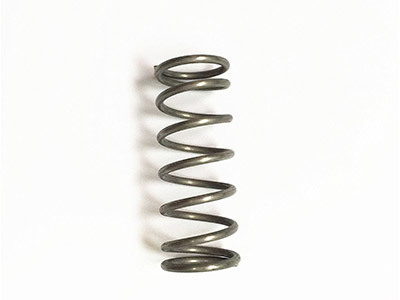
Standard compression springs are cylindrical in shape and have a uniform wire diameter. They are widely used in general applications and are available in various sizes and load capacities.
2.2 Conical Compression Springs
Conical compression springs taper towards one end, allowing them to reduce height when compressed. This design results in a compact structure and is ideal for applications where space is limited.
2.3 Barrel Compression Springs
Barrel springs have a wider diameter in the middle and taper at both ends. This unique shape helps distribute the load evenly, making them suitable for heavy-duty applications.
2.4 Progressive Compression Springs
Progressive springs have variable pitch coils that result in increasing resistance as they compress. This feature makes them excellent for applications that require a gradual increase in force.
3. Materials Used in Compression Spring Manufacturing
The choice of material significantly impacts the performance of compression springs. Here are some commonly used materials:
3.1 Carbon Steel
Carbon steel is one of the most common materials used for compression springs due to its durability and strength. It provides excellent elasticity and is cost-effective for various applications.
3.2 Stainless Steel
Stainless steel offers corrosion resistance, making it suitable for applications in harsh environments. It is often used in automotive and aerospace industries where moisture or chemical exposure is a concern.
3.3 Music Wire
Music wire is a high-carbon steel known for its tensile strength and flexibility. It is commonly used in the manufacturing of precision springs where performance is critical.
3.4 Alloy Steel
Alloy steels, such as chromium or vanadium, are used for high-performance compression springs. They offer excellent fatigue resistance and are ideal for heavy-load applications.
4. Advanced Manufacturing Techniques
Modern manufacturing techniques play a crucial role in producing high-quality compression springs. Here, we discuss some of the most advanced methods currently in use.
4.1 CNC Spring Coiling
Computer Numerical Control (CNC) machines have revolutionized the spring manufacturing process. CNC spring coiling allows for precise shaping and uniformity in production, ensuring each spring meets strict specifications.
4.2 Heat Treatment
Heat treatment processes enhance the mechanical properties of compression springs. By adjusting the temperature and time, manufacturers can improve hardness, strength, and fatigue resistance.
4.3 Shot Peening
Shot peening is a surface treatment process that increases the lifespan of compression springs. It involves bombarding the surface with small metallic balls, introducing compressive stresses that enhance fatigue resistance.
4.4 Surface Coating
Applying protective coatings can significantly improve the corrosion resistance of compression springs. Common coatings include zinc plating, powder coating, and anodizing, each suitable for different environments.
5. Applications of Compression Springs
Compression springs find applications across various industries, showcasing their versatility:
5.1 Automotive Industry
In the automotive sector, compression springs are used in suspension systems, brakes, and engine components. Their ability to absorb shocks and provide stability makes them indispensable.
5.2 Aerospace Industry
Aerospace applications demand high-performance components, and compression springs play a critical role in landing gears, actuators, and control systems due to their lightweight and durable properties.
5.4 Electronics and Appliances
In electronics, compression springs are used in switches, circuit breakers, and appliances, ensuring reliable operation and longevity.
5.5 Medical Devices
Compression springs are also essential in medical devices, such as surgical instruments and dental equipment, where precision and reliability are paramount.
6. Testing and Quality Control
Ensuring the quality of compression springs is crucial for maintaining performance and safety. Manufacturers should implement rigorous testing protocols, including:
6.1 Tensile Testing
Tensile testing measures the strength and elasticity of materials used in compression springs, ensuring they meet performance standards.
6.2 Fatigue Testing
Fatigue testing evaluates how a spring performs under repeated loading conditions, which is vital for applications subjected to continuous stress.
6.3 Dimensional Inspection
Regular dimensional inspections ensure that springs adhere to the specified sizes and tolerances, preventing failures in assembly.
7. Best Practices for Manufacturers
To produce high-quality compression springs, manufacturers should adhere to the following best practices:
7.1 Invest in Quality Materials
Using high-grade materials is fundamental to producing durable and reliable compression springs. Consistent quality checks on raw materials can prevent defects.
7.2 Optimize the Manufacturing Process
Streamlining the manufacturing process through automation and efficient workflows can reduce costs and improve product consistency.
7.3 Continuous Training for Staff
Investing in staff training ensures that employees are knowledgeable about the latest technologies and best practices in spring manufacturing, leading to improved product quality.
7.4 Emphasize Design for Manufacturability
Designing compression springs with manufacturability in mind can reduce production costs and improve turnaround times, thus meeting market demands effectively.
8. Future Trends in Compression Spring Technology
As technology advances, the future of compression springs looks promising. Here are some emerging trends:
8.1 Smart Springs
The integration of sensors into compression springs allows for real-time monitoring of performance, leading to predictive maintenance and improved reliability.
8.2 Sustainable Materials
With increasing environmental awareness, manufacturers are exploring sustainable materials and practices, focusing on recycling and reducing waste in the production process.
8.3 Advanced Coating Technologies
Innovations in coating technologies promise enhanced durability and performance, particularly in corrosive environments, offering better protection for compression springs.
9. Frequently Asked Questions
9.1 What are compression springs used for?
Compression springs are commonly used in various applications, including automotive, aerospace, electronics, and medical devices, where energy storage and shock absorption are required.
9.2 How do I choose the right compression spring?
Choosing the right compression spring depends on factors such as load requirements, space constraints, and environmental conditions. Consulting with a spring manufacturer can help determine the best option.
9.3 What materials are best for compression springs?
The best materials for compression springs include carbon steel for general use, stainless steel for corrosion resistance, and music wire for precision applications.
9.4 How are compression springs manufactured?
Compression springs are manufactured through processes such as coiling, heat treatment, and surface finishing. Advanced technologies like CNC machining enhance precision and efficiency.
9.5 How can I ensure the quality of compression springs?
Implementing rigorous testing and quality control measures, including tensile testing and dimensional inspections, can ensure the reliability and performance of compression springs.
10. Conclusion
Advanced compression springs play a crucial role in various industries, providing energy storage and shock absorption capabilities. Understanding the types, materials, manufacturing techniques, and applications of compression springs is essential for manufacturers to enhance product performance and drive innovation. By adhering to best practices and staying abreast of emerging trends, manufacturers can ensure the production of high-quality compression springs that meet the evolving needs of their industries.
Related News
Contact Us
E-mail:
WhatsAPP:
Address:
Wen 'an Industrial New Area (small Farm), Langfang, Hebei, China