

The Science Behind Fancy Compression Springs: What You Need to Know
Release Time:
2025-05-31
The Science Behind Fancy Compression Springs: What You Need to Know Introduction to Compression Springs Compression springs are a fundamental component in various mechanical systems, playing a critical role in the functionality of numerous devices. From automotive applications to aerospace and consumer electronics, these springs absorb shock, store energy, and provide resistance to compressive for

The Science Behind Fancy Compression Springs: What You Need to Know
Introduction to Compression Springs
Compression springs are a fundamental component in various mechanical systems, playing a critical role in the functionality of numerous devices. From automotive applications to aerospace and consumer electronics, these springs absorb shock, store energy, and provide resistance to compressive forces. Understanding the intricacies of compression springs can significantly enhance your ability to select the right spring for your specific needs.
What Are Fancy Compression Springs?
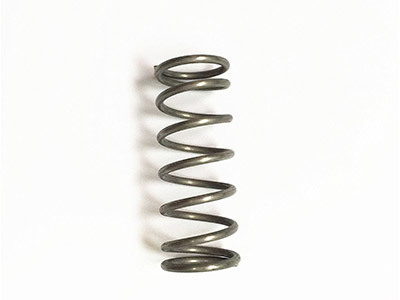
Fancy compression springs differ from standard compression springs primarily in their design, aesthetics, and functionality. These springs are often customized to meet specific application requirements, incorporating innovative materials, unique geometries, and specialized coatings. Fancy compression springs are not only functional but also add a touch of sophistication and style to the products they are integrated into.
Materials Used in Fancy Compression Springs
The choice of material is crucial for the performance of compression springs. Common materials include:
- **Stainless Steel**: Highly resistant to corrosion, making it ideal for applications in harsh environments.
- **Alloy Steel**: Offers excellent tensile strength and fatigue resistance, suitable for high-stress applications.
- **Music Wire**: Known for its high resilience and flexibility, often used in lighter applications.
- **Plastic**: Lightweight and corrosion-resistant, suitable for specific applications where metal might not be desirable.
By understanding the properties of these materials, engineers can tailor the performance of compression springs to meet the demands of their specific applications.
Design Considerations for Fancy Compression Springs
Creating a fancy compression spring involves various design elements:
- **Diameter**: The coil diameter affects how the spring compresses and expands under load.
- **Wire Diameter**: Thicker wires can withstand higher loads, while thinner wires can offer more flexibility.
- **Number of Coils**: More coils generally lead to increased resilience and lower stiffness.
- **End Type**: Different ends (closed, open, or ground) can alter the spring's performance and integration into mechanical systems.
It's vital to consider these factors early in the design process to ensure optimal functionality and aesthetics.
Applications of Fancy Compression Springs
Fancy compression springs find their applications in various industries:
Automotive Industry
In the automotive sector, compression springs are used in suspension systems, engines, and various mechanical components. Their ability to absorb shocks and maintain structural integrity under stress is crucial for vehicle performance.
Aerospace Sector
Aerospace applications demand the highest standards of quality and reliability. Compression springs play a pivotal role in systems such as landing gear, cabin pressure systems, and control mechanisms.
Consumer Electronics
In consumer electronics, fancy compression springs are used to enhance product design and functionality. Their aesthetic appeal and performance characteristics can significantly influence user experience.
The Manufacturing Process of Compression Springs
The manufacturing of fancy compression springs involves several steps:
1. Wire Selection
Choosing the right wire material is the first step in the manufacturing process. Manufacturers must consider factors such as tensile strength, corrosion resistance, and intended application.
2. Coiling
The selected wire undergoes coiling, where it is shaped into coils using specialized machinery. Precision in this step is crucial to ensure the desired spring characteristics.
3. Heat Treatment
Heat treatment is employed to enhance the mechanical properties of compression springs. This process involves heating the springs to a specific temperature and then cooling them rapidly to increase strength and resilience.
4. Surface Treatment
To improve aesthetics and functionality, springs may undergo various surface treatments, including plating, coating, or polishing. These treatments can enhance corrosion resistance and add a decorative finish.
5. Quality Control
Rigorous quality control is essential in the manufacturing process. Each spring is tested for dimensions, load capacity, and overall performance to ensure it meets industry standards.
Advantages of Fancy Compression Springs
The unique properties of fancy compression springs offer several advantages:
- **Customization**: Manufacturers can create springs tailored to specific applications, ensuring optimal performance.
- **Aesthetic Appeal**: Fancy designs can enhance product appearance, making them more attractive to consumers.
- **Improved Performance**: Advanced materials and manufacturing techniques improve durability and functionality.
Challenges in Compression Spring Design
Despite their advantages, designing compression springs comes with challenges:
- **Material Limitations**: Selecting materials that balance cost with performance can be complex.
- **Sizing Issues**: Ensuring the spring fits correctly within the intended application is crucial to avoid functionality problems.
- **Fatigue Resistance**: Compression springs are prone to fatigue over time, necessitating rigorous testing and design considerations.
Future Trends in Compression Spring Technology
As technology advances, the future of compression spring manufacturing is evolving. Emerging trends include:
- **3D Printing**: This manufacturing method allows for the creation of complex spring geometries that were previously impossible with traditional methods.
- **Smart Materials**: The integration of smart materials that can respond to changing environments is on the rise, enhancing the functionality of compression springs.
- **Sustainability**: Manufacturers are increasingly focusing on sustainable practices, such as using recycled materials and environmentally friendly processes.
Conclusion
Understanding the science behind fancy compression springs is essential for engineers and manufacturers alike. Their unique properties, applications, and manufacturing processes make them a critical component in various industries. By staying informed about the latest trends and advancements, we can ensure that our designs meet the ever-evolving demands of modern technology. Fancy compression springs are more than just functional components; they represent the intersection of engineering, design, and innovation.
Frequently Asked Questions (FAQs)
1. What are the main differences between standard and fancy compression springs?
Fancy compression springs often exhibit unique designs, materials, and coatings that enhance their functionality and aesthetic appeal compared to standard springs.
2. How do I choose the right compression spring for my application?
Consider factors such as load requirements, space constraints, material properties, and environmental conditions when selecting a compression spring.
3. Can compression springs be customized?
Yes, compression springs can be custom-designed to meet specific requirements in terms of size, material, and aesthetic finishes.
4. What are the common applications for compression springs?
Compression springs are widely used in automotive, aerospace, consumer electronics, and various industrial applications.
5. How can I ensure the quality of compression springs in my products?
Implement rigorous quality control measures and conduct performance testing to ensure that the compression springs meet industry standards and application requirements.
Related News
Contact Us
E-mail:
WhatsAPP:
Address:
Wen 'an Industrial New Area (small Farm), Langfang, Hebei, China