

Understanding Durable Compression Springs: A Key Component in Mechanical Manufacturing
Release Time:
2025-04-10
Durable compression springs are essential components in numerous mechanical systems, designed to store and release energy efficiently. These springs are typically made from high-quality materials that contribute to their durability and performance. The manufacturing process often involves precision engineering techniques to create springs that can withstand heavy loads and repeated cycles without

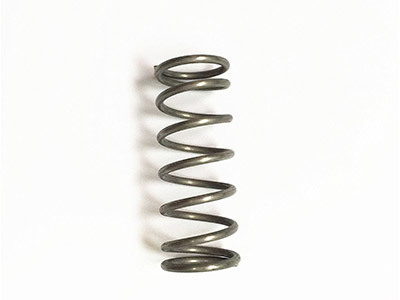
Durable compression springs are essential components in numerous mechanical systems, designed to store and release energy efficiently. These springs are typically made from high-quality materials that contribute to their durability and performance. The manufacturing process often involves precision engineering techniques to create springs that can withstand heavy loads and repeated cycles without deformation.
One of the primary characteristics of durable compression springs is their ability to maintain a consistent response under varying loads. This is crucial for applications that require reliable performance. The spring's design and material composition directly affect its fatigue resistance, allowing it to endure repeated compressive forces over time. Common materials used for durable compression springs include stainless steel, carbon steel, and specialized alloys, which are selected based on their mechanical properties and the specific requirements of the application.
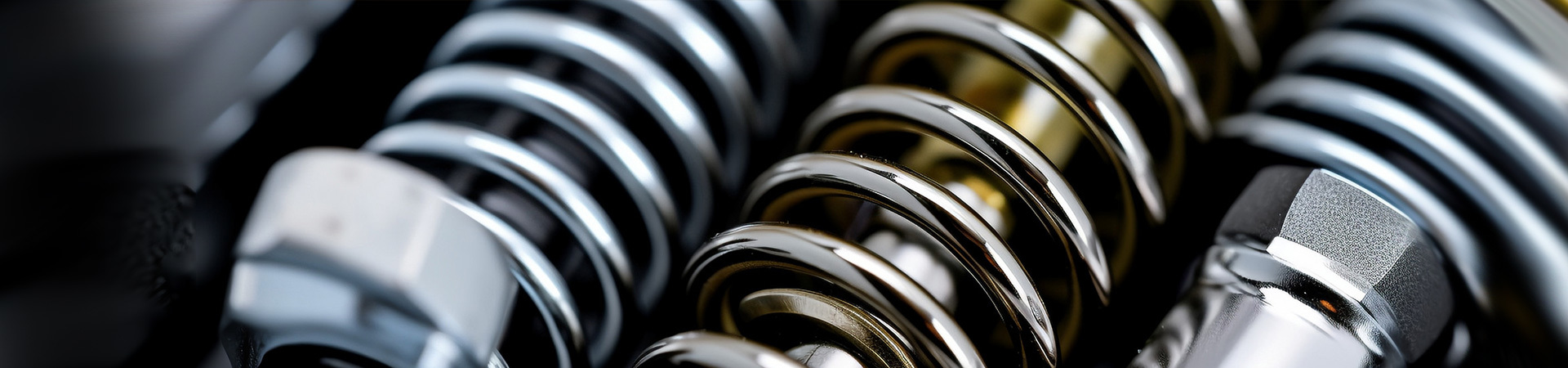
In terms of applications, durable compression springs are found in a wide range of industries, including automotive, aerospace, consumer electronics, and machinery. In automotive systems, for instance, these springs are used in suspension systems and engine components to absorb shocks and vibrations, improving overall vehicle performance. In consumer electronics, compression springs help in the functioning of devices like remote controls and keyboards, providing tactile feedback to users.
The advantages of using durable compression springs extend beyond their load-bearing capabilities. Their design can be tailored to fit specific space constraints and operational needs, making them incredibly versatile. Additionally, their ability to operate effectively in different environmental conditions—such as extreme temperatures or corrosive environments—enhances their applicability across various sectors.
When selecting durable compression springs for your projects, it's essential to consider factors such as spring rate, free length, and the maximum load they will experience. Understanding these specifications will help ensure that the springs not only meet performance requirements but also contribute to the overall efficiency and longevity of the machinery they support.
In conclusion, durable compression springs are indispensable in modern manufacturing processes, offering a combination of strength, reliability, and versatility. By choosing the right materials and designs, manufacturers can enhance the performance of their machinery while ensuring that these critical components stand the test of time. Whether you are looking to improve existing systems or design new applications, a thorough understanding of durable compression springs will be a vital asset in your engineering toolkit.
One of the primary characteristics of durable compression springs is their ability to maintain a consistent response under varying loads. This is crucial for applications that require reliable performance. The spring's design and material composition directly affect its fatigue resistance, allowing it to endure repeated compressive forces over time. Common materials used for durable compression springs include stainless steel, carbon steel, and specialized alloys, which are selected based on their mechanical properties and the specific requirements of the application.
In terms of applications, durable compression springs are found in a wide range of industries, including automotive, aerospace, consumer electronics, and machinery. In automotive systems, for instance, these springs are used in suspension systems and engine components to absorb shocks and vibrations, improving overall vehicle performance. In consumer electronics, compression springs help in the functioning of devices like remote controls and keyboards, providing tactile feedback to users.
The advantages of using durable compression springs extend beyond their load-bearing capabilities. Their design can be tailored to fit specific space constraints and operational needs, making them incredibly versatile. Additionally, their ability to operate effectively in different environmental conditions—such as extreme temperatures or corrosive environments—enhances their applicability across various sectors.
When selecting durable compression springs for your projects, it's essential to consider factors such as spring rate, free length, and the maximum load they will experience. Understanding these specifications will help ensure that the springs not only meet performance requirements but also contribute to the overall efficiency and longevity of the machinery they support.
In conclusion, durable compression springs are indispensable in modern manufacturing processes, offering a combination of strength, reliability, and versatility. By choosing the right materials and designs, manufacturers can enhance the performance of their machinery while ensuring that these critical components stand the test of time. Whether you are looking to improve existing systems or design new applications, a thorough understanding of durable compression springs will be a vital asset in your engineering toolkit.
Related News
Contact Us
E-mail:
WhatsAPP:
Address:
Wen 'an Industrial New Area (small Farm), Langfang, Hebei, China