

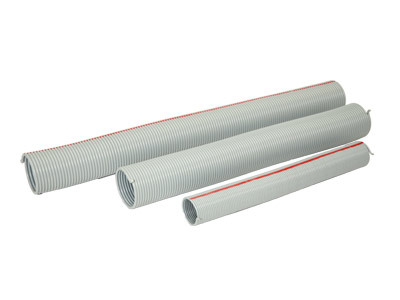

How Fancy Compression Springs Enhance Mechanical Efficiency for Superior Performance
Release Time:
2025-04-13
How Fancy Compression Springs Improve Mechanical Efficiency Table of Contents 1. Introduction to Compression Springs 2. The Design of Compression Springs 3. Materials Used in Compression Springs 4. Role of Compression Springs in Mechanical Efficiency 5. Applications of Compression Springs in Industry 6. Benefits of Using Fancy Compression Springs 7. Trends in Compressi

How Fancy Compression Springs Improve Mechanical Efficiency
Table of Contents
- 1. Introduction to Compression Springs
- 2. The Design of Compression Springs
- 3. Materials Used in Compression Springs
- 4. Role of Compression Springs in Mechanical Efficiency
- 5. Applications of Compression Springs in Industry
- 6. Benefits of Using Fancy Compression Springs
- 7. Trends in Compression Spring Technology
- 8. Frequently Asked Questions
- 9. Conclusion
1. Introduction to Compression Springs
Compression springs are vital components in the realm of manufacturing and engineering. These helical springs function by resisting compressive forces, providing essential support and energy storage in various mechanical systems. As technology advances, the design and application of compression springs evolve, leading to the emergence of "fancy" compression springs that offer enhanced performance and efficiency. This article explores how these advanced compression springs contribute to improved mechanical efficiency in industrial applications.
2. The Design of Compression Springs
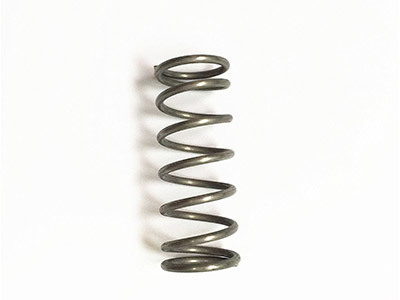
The design of compression springs is critical in determining their performance and suitability for specific applications. Unlike standard compression springs, **fancy compression springs** are often characterized by unique geometries, variable pitch, and innovative end configurations. These design features can significantly influence spring behavior under load.
2.1 Unique Geometries
Fancy compression springs may incorporate twisted or tapered geometries that optimize load distribution and minimize stress concentrations. This can lead to increased resilience and lifespan under cyclic loading conditions.
2.2 Variable Pitch Design
Variable pitch compression springs offer flexibility in load capacity and deflection. By adjusting the spacing between coils, engineers can tailor the spring’s performance to meet specific demands, ensuring optimal mechanical efficiency.
3. Materials Used in Compression Springs
The choice of material plays a pivotal role in the functionality of compression springs. **Fancy compression springs** often utilize advanced alloys and composites to enhance their performance and longevity.
3.1 High-Carbon Steel
High-carbon steel is commonly used for its excellent elasticity and strength. This material allows compression springs to withstand significant loads while maintaining their shape over time.
3.2 Stainless Steel
For applications requiring corrosion resistance, stainless steel compression springs are ideal. They maintain their performance characteristics in challenging environments, making them suitable for various industries, including food processing and pharmaceuticals.
3.3 Specialty Alloys
In critical applications, specialty alloys designed for specific environmental conditions or mechanical stresses provide enhanced durability and performance, further contributing to mechanical efficiency.
4. Role of Compression Springs in Mechanical Efficiency
Compression springs play an integral role in enhancing mechanical efficiency across various systems. Their ability to absorb and release energy efficiently leads to reduced wear and tear on machinery.
4.1 Energy Storage and Release
Compression springs store potential energy when compressed and release it when the load is removed. This energy-efficient operation minimizes energy waste and enhances overall system performance.
4.2 Damping Effects
In dynamic systems, compression springs can dampen vibrations and shocks, protecting sensitive components and improving operational stability. This damping function contributes to a longer lifespan for machinery and reduces maintenance costs.
5. Applications of Compression Springs in Industry
The versatility of compression springs allows for widespread applications across various industries, each benefiting from the unique characteristics of fancy compression springs.
5.1 Automotive Industry
In the automotive sector, compression springs are essential for suspensions, throttle controls, and engine components. Their role in enhancing vehicle performance and safety cannot be overstated.
5.2 Aerospace Engineering
Aerospace applications demand reliability and efficiency. Compression springs are used in landing gear systems, control mechanisms, and safety devices, ensuring optimal performance under extreme conditions.
5.3 Consumer Electronics
Fancy compression springs are also found in consumer electronics, where they contribute to the functionality of devices such as smartphones and appliances. Their compact design allows for innovative product features while maintaining mechanical reliability.
6. Benefits of Using Fancy Compression Springs
Organizations that integrate fancy compression springs into their designs can experience numerous advantages.
6.1 Improved Performance
The advanced design elements of fancy compression springs facilitate better energy efficiency, resulting in improved performance across mechanical systems.
6.2 Longevity and Reliability
With enhanced materials and designs, these springs often exhibit extended lifespans, reducing the need for frequent replacements and minimizing downtime in production.
6.3 Versatility and Customization
Fancy compression springs can be customized to meet specific application requirements, making them suitable for a diverse range of industries and functions.
7. Trends in Compression Spring Technology
As technology evolves, so do the design and manufacturing processes for compression springs. Keeping abreast of the latest trends can provide organizations with a competitive edge.
7.1 Additive Manufacturing
The advent of additive manufacturing technologies has enabled the creation of complex geometries that were previously impossible to achieve. This innovation allows for more efficient and lighter spring designs.
7.2 Smart Spring Technologies
Incorporating sensors and IoT technologies into compression springs can lead to real-time monitoring and adjustments, further enhancing their performance and efficiency in various applications.
8. Frequently Asked Questions
8.1 What are compression springs made of?
Compression springs are typically made from high-carbon steel, stainless steel, or specialty alloys, depending on the application requirements.
8.2 How do fancy compression springs differ from standard springs?
Fancy compression springs utilize advanced designs and materials that enhance performance, durability, and efficiency compared to standard compression springs.
8.3 Where are compression springs commonly used?
Compression springs are widely used in industries such as automotive, aerospace, consumer electronics, and manufacturing equipment.
8.4 What is the lifespan of a compression spring?
The lifespan of a compression spring depends on factors such as material, design, load conditions, and maintenance practices, but fancy compression springs often last longer due to their enhanced design.
8.5 Can compression springs be customized?
Yes, compression springs, especially fancy ones, can be customized in terms of size, material, and design to meet specific application needs.
9. Conclusion
Fancy compression springs are revolutionizing the way industries approach mechanical efficiency. By employing advanced designs, materials, and technologies, these components significantly enhance the performance and longevity of machinery. As demand for innovative solutions grows, understanding the value and application of fancy compression springs will be essential for organizations looking to optimize their operations. Embracing these advancements not only improves mechanical efficiency but also positions companies for success in an increasingly competitive marketplace.
Related News
Contact Us
E-mail:
WhatsAPP:
Address:
Wen 'an Industrial New Area (small Farm), Langfang, Hebei, China